You trust the vitamins sitting in your medicine cabinet to support your health. But what if those supplements are doing more harm than good? The reality is stark: not all vitamin brands deserve your trust, and some could be actively undermining the very health goals you’re trying to achieve.
The dietary supplement industry generates billions in revenue annually, yet it operates in a regulatory gray zone that allows questionable products to reach consumers. Understanding how to avoid products contaminated with hidden ingredients becomes essential for protecting your health. Unlike prescription medications, supplements don’t require FDA approval before hitting store shelves. This means the bottle you picked up at your local pharmacy—or ordered online—might contain contaminants, incorrect dosages, or ingredients that bear little resemblance to what’s printed on the label.
Understanding which vitamin brands to avoid isn’t just about getting your money’s worth. It’s about protecting your health from potentially dangerous substances, avoiding harmful interactions with medications, and ensuring you’re actually getting the nutritional support you’re paying for. The stakes are higher than most people realize.
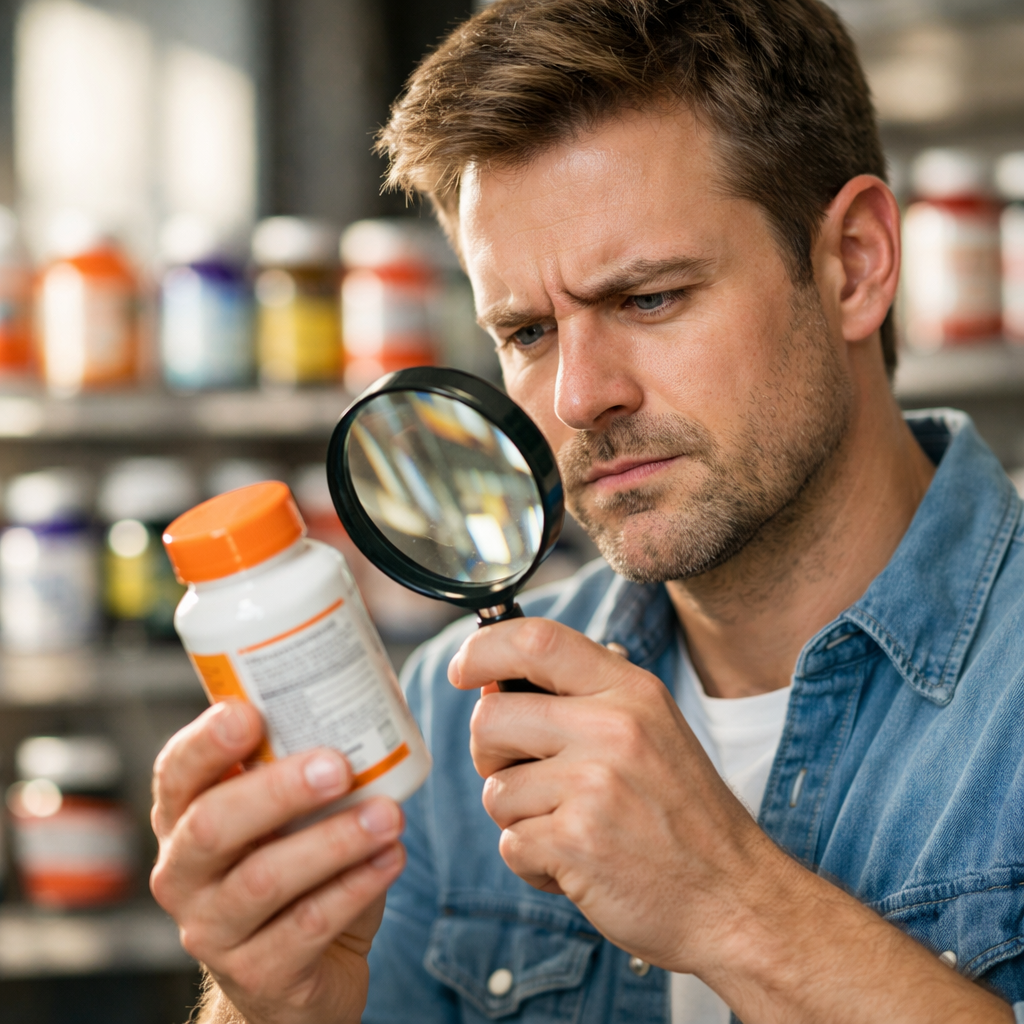
Red Flags That Should Make You Think Twice
When you’re standing in the supplement aisle or browsing online, certain warning signs should immediately raise concerns about a vitamin brand’s integrity. These red flags represent industry practices that prioritize profit over consumer safety and transparency.
Proprietary blends top the list of concerning practices. When a label lists a “proprietary blend” followed by a total weight without individual ingredient amounts, the manufacturer is legally hiding how much of each component you’re actually getting. You might see “Proprietary Energy Blend: 500mg” with a list of five ingredients beneath it. This could mean you’re getting 490mg of cheap filler and only 2mg of the expensive active ingredient. There’s simply no way to know, and that’s exactly the point. Reputable manufacturers have nothing to hide and list precise amounts for every ingredient.
Exaggerated health claims represent another major warning sign. If a vitamin brand promises to “cure” diseases, “reverse aging,” or deliver “miraculous” results, run in the opposite direction. The FDA strictly prohibits dietary supplements from claiming to diagnose, treat, cure, or prevent diseases. Legitimate brands know these rules and respect them. When companies make overblown promises, they’re either ignorant of regulations or deliberately deceiving consumers—neither scenario inspires confidence.
Lack of contact information might seem minor, but it speaks volumes. If a supplement brand doesn’t provide a physical address, phone number, or accessible customer service, how will you report adverse reactions or quality concerns? This absence suggests a manufacturer trying to avoid accountability. Quality brands make themselves easy to reach because they stand behind their products.
Missing third-party certifications should raise immediate concerns. Organizations like NSF International, USP (United States Pharmacopeia), and ConsumerLab.com provide independent verification that supplements contain what their labels claim without harmful contaminants. These certifications aren’t legally required, but their absence suggests a brand unwilling to submit to external scrutiny. When manufacturers skip third-party testing, they’re asking you to take their word for product quality—a risk that’s simply not worth taking.
Suspicious pricing often indicates quality issues. While expensive doesn’t automatically mean better, supplements priced far below market averages should trigger skepticism. Quality raw materials, rigorous testing, and proper manufacturing facilities cost money. Brands cutting corners on price are likely cutting corners somewhere in the production process—perhaps using low-quality ingredients, skipping testing, or operating in substandard facilities.
Why These Red Flags Matter to Your Health
The consequences of ignoring these warning signs extend far beyond wasted money. Contaminated or mislabeled supplements pose genuine health risks that can range from uncomfortable to life-threatening.
Heavy metal contamination represents a serious concern in untested supplements. Lead, mercury, cadmium, and arsenic have been found in various vitamin products, particularly those sourced from regions with lax quality controls. These toxic metals accumulate in your body over time, potentially causing neurological damage, kidney problems, and increased cancer risk. One contaminated capsule might not cause immediate harm, but daily consumption over months or years can have devastating effects.
Misleading ingredient information means you’re operating blind regarding what you’re putting in your body. When labels don’t accurately reflect contents, you can’t make informed decisions about drug interactions, allergen exposure, or appropriate dosing. Someone taking blood thinners who unknowingly consumes high doses of vitamin K from a mislabeled supplement could experience dangerous blood clotting. An individual with soy allergies might have a severe reaction to undisclosed soy-derived ingredients.
Ineffective formulations waste your money and leave genuine nutritional deficiencies unaddressed. If you’re taking a calcium supplement that your body can’t actually absorb, you’re not just throwing away cash—you’re potentially developing osteoporosis while falsely believing you’re protected. The form and combinations of nutrients matter enormously for bioavailability, yet many low-quality brands use cheap, poorly absorbed forms of vitamins and minerals.
Dangerous adulterants sometimes lurk in supplements, particularly in products promising enhanced performance or rapid weight loss. FDA testing has discovered prescription drugs, banned substances, and novel compounds with unknown safety profiles in supplements marketed as “natural” or “herbal.” These hidden ingredients can interact catastrophically with medications or cause serious side effects.
The Regulatory Landscape: What Protection Actually Exists
Understanding how dietary supplements are regulated helps explain why consumer vigilance is so critical. The regulatory framework provides some protection, but significant gaps remain.
The Dietary Supplement Health and Education Act (DSHEA) of 1994 established the current regulatory structure. Under DSHEA, supplement manufacturers are responsible for ensuring their products are safe before marketing—but they don’t need to prove safety to the FDA beforehand. This represents a fundamental difference from pharmaceuticals, which require extensive testing and FDA approval before reaching consumers. The FDA can only take action after a supplement reaches the market and problems emerge.
Good Manufacturing Practices (GMP) standards, codified in 21 CFR Part 111, establish minimum quality requirements for supplement manufacturing. These regulations require manufacturers to ensure their products consistently meet quality standards, accurately reflect their labels, and are free from contamination. However, FDA resources for inspecting supplement facilities are limited, and enforcement can be inconsistent. Many facilities go years between inspections, if they’re inspected at all.
Manufacturer responsibilities include establishing product identity, purity, strength, and composition. They must investigate and document any quality complaints. They’re supposed to test raw materials and finished products. But here’s the critical point: these are manufacturer responsibilities, not third-party verified requirements. The honor system creates obvious opportunities for cutting corners, particularly among brands prioritizing profit over consumer safety.
Third-party testing organizations fill crucial gaps in the regulatory system. NSF International, USP, and other certification bodies conduct independent testing to verify supplement quality, purity, and label accuracy. These organizations test for contaminants, confirm active ingredient quantities, and assess manufacturing facilities. Their seals on product labels provide consumers with independent verification of quality claims. While not legally required, third-party certification represents the gold standard for supplement quality assurance.

How to Identify Trustworthy Vitamin Brands
Protecting yourself requires active consumer engagement. Waiting for problematic products to be recalled means you might have already suffered harm. Instead, evaluate potential purchases using these practical criteria.
Look for credible certifications prominently displayed on product labels or company websites. NSF Certified for Sport, USP Verified, and ConsumerLab.com Approved seals indicate independent quality verification. These certifications require ongoing testing and facility audits, not just one-time assessments. Be aware that some brands create official-looking “seals” that represent nothing more than graphic design. Verify certification authenticity by checking the certifying organization’s website directly.
Request and review Certificates of Analysis (COAs) for specific product batches. Legitimate manufacturers conduct testing for every production batch and should willingly provide these detailed reports upon request. A comprehensive COA includes testing for active ingredient potency, heavy metals, microbiological contaminants, and potential adulterants. If a company refuses to provide COAs or only offers generic results not tied to specific batches, consider this a major red flag.
Investigate ingredient sourcing and supply chain transparency. Where do the raw materials come from? What testing occurs before they’re incorporated into finished products? Quality-focused brands often highlight their sourcing standards and relationships with premium ingredient suppliers. Vague statements about “high-quality ingredients” mean nothing without supporting documentation.
Examine company history and reputation through independent reviews, regulatory actions, and industry standing. Has the FDA issued warning letters to the manufacturer? Has the company faced lawsuits related to product quality or misleading marketing? What do verified customer reviews say about product effectiveness and company responsiveness? Online research can reveal patterns of problems that suggest vitamin brands to avoid.
Verify professional recommendations when possible. Healthcare providers, particularly those specializing in integrative or functional medicine, often maintain lists of brands they trust based on patient outcomes and quality assessments. While individual healthcare providers may have different preferences, brands consistently recommended across the medical community generally deserve consideration.
Decoding Product Labels Like a Pro
Product labels contain crucial information, but only if you know what to look for and what various terms actually mean.
The ingredient list reveals what’s actually in the bottle. Ingredients appear in descending order by weight, so early listings represent larger quantities. Look for specific forms of nutrients—”vitamin E (as d-alpha tocopherol)” is more useful than just “vitamin E” because the form affects absorption. Be skeptical of long ingredient lists padded with herbs, extracts, or fillers of questionable value. Every ingredient should serve a clear purpose.
Daily Value percentages indicate how much of each nutrient one serving provides relative to standard daily requirements. However, Daily Values are based on general recommendations that may not match your individual needs. Some people require higher doses of certain nutrients, while others should avoid exceeding 100% DV of specific vitamins or minerals. Understanding your personal nutritional requirements is essential for evaluating whether a product’s formulation makes sense for you.
Allergen statements protect consumers with food sensitivities. “Contains” statements must list major allergens present in the product, while “may contain” warnings indicate potential cross-contamination. The absence of these statements from a supplement label should raise concerns about manufacturing practices and facility cleanliness.
Batch numbers and expiration dates enable tracing products to specific production runs. When quality issues emerge, batch numbers allow pinpointing affected products. Expiration dates indicate how long the manufacturer guarantees full potency, though many nutrients remain stable well beyond listed dates. Missing or unclear batch identification suggests quality control problems.
Contact information for the manufacturer or distributor must appear on the label. This should include a physical address, not just a website or P.O. box. The presence of accessible customer service contact details indicates a company willing to stand behind its products and address consumer concerns.
Core Principles for Supplement Selection
Several fundamental concepts should guide your approach to choosing vitamins and supplements.
Not all supplements are created equal. This might seem obvious, but the implications deserve emphasis. The vitamin C from one brand is not interchangeable with vitamin C from another if they differ in quality, purity, bioavailability, or contamination levels. Brand matters in supplements more than in most consumer goods because of the minimal regulatory oversight and wide quality variation across manufacturers.
Transparency indicates trustworthiness. Companies with nothing to hide eagerly share information about testing, sourcing, and manufacturing practices. They provide detailed responses to customer questions and maintain comprehensive documentation. Transparency doesn’t guarantee perfection, but opacity almost certainly indicates problems.
Independent verification protects consumers. Manufacturer claims mean little without external confirmation. Third-party testing, healthcare provider recommendations, and peer-reviewed research provide the independent verification needed to make truly informed decisions. Your health is too important to rely on marketing materials alone.
Consumer diligence is non-negotiable. Given regulatory limitations, you must become an educated, skeptical supplement consumer. Learn from how manufacturers choose reliable suppliers to apply similar scrutiny to your own purchases. This means investing time researching brands, reading labels carefully, asking questions, and demanding documentation. The alternative—blindly trusting supplement marketing—exposes you to unnecessary health risks.
Your Quick-Action Checklist
Before purchasing any vitamin or supplement, work through this practical checklist:
- Does the product carry third-party certification from NSF, USP, or similar organizations?
- Does the label list specific amounts for every ingredient, avoiding vague “proprietary blends”?
- Can you easily find and contact the manufacturer with questions or concerns?
- Does the company provide batch-specific Certificates of Analysis upon request?
- Are health claims realistic and FDA-compliant, avoiding promises to cure diseases?
- Does the product price fall within reasonable market ranges?
- Can you verify positive reviews from multiple independent sources?
- Does the label include clear batch numbers, expiration dates, and allergen information?
- Has the manufacturer avoided FDA warning letters or serious regulatory actions?
If you answer “no” to multiple questions, strongly consider alternative brands. Your health deserves products that pass all reasonable quality and transparency criteria.
The NutraAeon Difference
At NutraAeon, we’ve built our entire business model around the transparency and quality standards that many supplement brands merely claim to follow. As a global nutritional ingredients partner, we understand that the foundation of any quality supplement begins long before manufacturing—it starts with the raw materials themselves.
Our rigorous testing protocols exceed both USP and FDA expectations because we believe consumers deserve more than minimum compliance. Explore our comprehensive product catalog to see this commitment in action. Every ingredient we source undergoes comprehensive testing for purity, potency, and potential contaminants. We provide complete documentation and certificates of analysis for every batch, giving manufacturers and ultimately consumers full supply chain visibility from source to delivery.
We specialize in premium amino acids like L-Theanine, comprehensive vitamin offerings including multiple forms of Vitamin C and complete B-Complex families, and food-grade minerals. But our true specialization is empowerment—providing the technical expertise, regulatory guidance, and quality assurance that enable manufacturers to create supplements worth trusting.
When you encounter vitamin brands to avoid, you’re seeing the consequences of cutting corners, prioritizing profit over safety, and treating consumers as marks rather than partners. NutraAeon exists as an alternative model, proving that excellence in ingredient sourcing, transparency in documentation, and empowerment through knowledge create better outcomes for everyone in the supplement ecosystem.
The supplement industry needs higher standards. Consumers deserve better information. Discover NutraAeon’s commitment to transparency and learn how we’re raising the bar for nutritional ingredient excellence. Your health requires quality you can verify, not just promises you must trust. By understanding what makes vitamin brands trustworthy—and recognizing the red flags that identify brands to avoid—you take control of your wellness journey and demand the excellence that should be standard, not exceptional.