The food ingredient industry in the United States stands at a fascinating crossroads. Behind every product on grocery shelves lies an intricate network of companies producing the building blocks of our food supply—starches that provide texture, sweeteners that deliver taste, proteins that build nutritional value, and countless other components that make modern food possible. These top food ingredient companies in the USA operate as integrated producers, transforming raw agricultural materials into the diverse ingredients that food manufacturers depend on daily.
What makes 2025 particularly noteworthy is the clean-label revolution reshaping how these companies operate and what consumers expect. The term “clean label” once represented a niche market preference, but it has evolved into a fundamental shift in consumer behavior. People now scrutinize ingredient lists with unprecedented attention, seeking products with recognizable components rather than complex chemical names. This demand for ingredient transparency has fundamentally altered sourcing priorities across the industry. This transformation isn’t merely about marketing—it reflects a deeper desire for transparency, simplicity, and trust in what we consume. The ingredient companies leading this change understand that their role extends beyond supply; they’re actively redefining standards for an entire industry.
The Current Market Landscape: Where Scale Meets Innovation
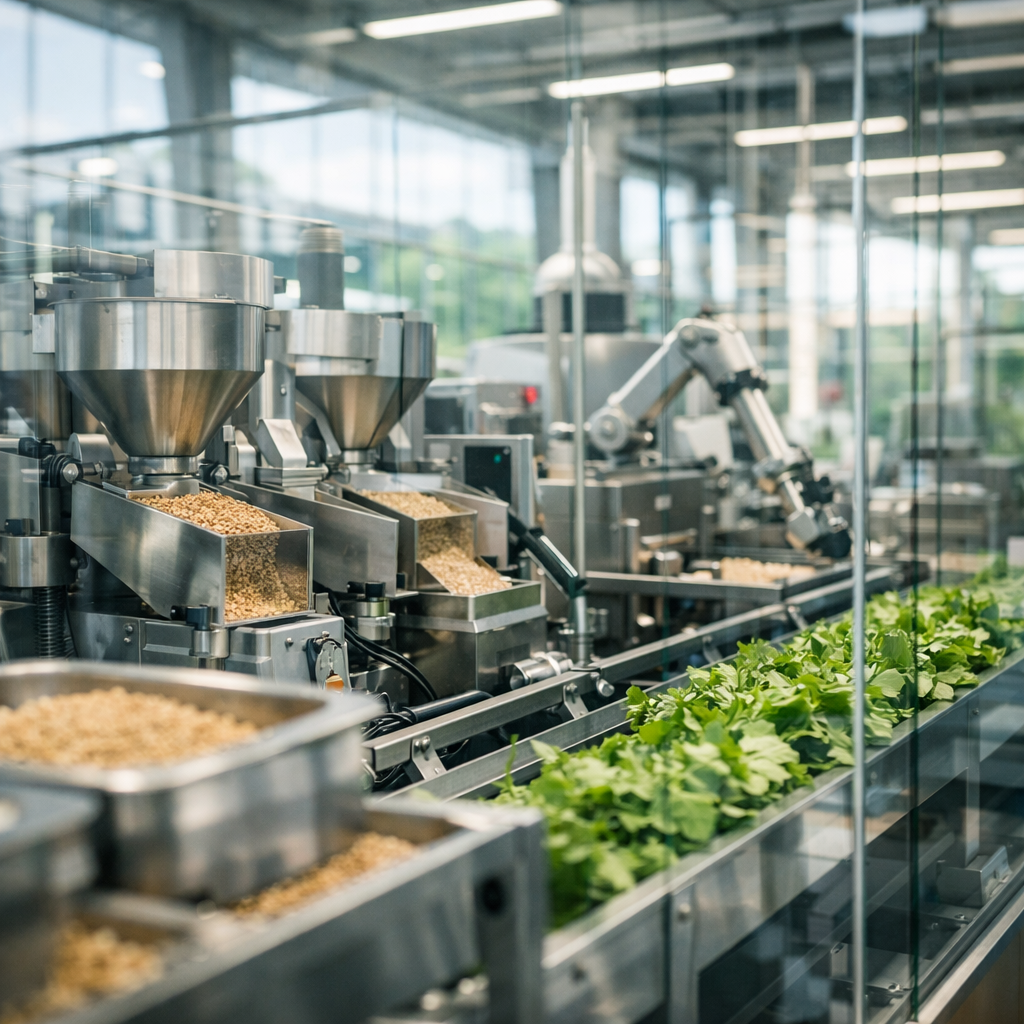
The US food ingredient market in 2025 is dominated by several powerhouse companies whose names may not appear on consumer packaging but whose influence shapes what millions eat every day. Cargill, Archer Daniels Midland (ADM), Ingredion, and Kerry Group represent the upper echelon of this industry, each bringing unique strengths to the table.
North America maintains its position as a dominant force in the global ingredient market, and several factors explain this leadership. The region benefits from robust agricultural infrastructure, advanced processing capabilities, and proximity to major food manufacturing operations. More importantly, American consumers have become vocal advocates for clean-label and health-focused ingredients, creating market pressure that drives innovation throughout the supply chain. This consumer-driven transformation demands that manufacturers work with reliable food ingredient suppliers who prioritize quality and transparency.
Cargill exemplifies the integrated approach that defines top players in this space. The company leverages AI-enhanced ingredient processing to create functional blends specifically designed for clean-label applications. This isn’t just about removing artificial components—it’s about engineering plant-based solutions that deliver the same performance characteristics manufacturers need while meeting consumer expectations for simplicity.
ADM has similarly positioned itself at the intersection of scale and specialization. With extensive product lines spanning multiple ingredient categories, the company combines the efficiency of large-scale production with focused innovation efforts. Their recent investments in plant-based proteins and functional ingredients demonstrate how market leaders are allocating resources toward areas of highest consumer demand.
The concentration of expertise and resources among these leading companies creates significant advantages. They can invest heavily in research and development, maintain comprehensive quality control systems, and ensure supply chain reliability even during disruptions. For manufacturers seeking ingredients, this translates to consistent quality, technical support, and the ability to scale production as demand grows. Understanding strategic ingredient sourcing principles becomes essential for maintaining competitive advantage.
Key Trends Reshaping the US Market
Three interconnected trends are fundamentally altering the ingredient landscape in 2025, and understanding these shifts is essential for anyone involved in food manufacturing or development.
First, plant-based proteins have moved from alternative niche to mainstream necessity. The market for plant protein continues expanding as consumers seek sustainable, ethical, and health-conscious options. Sources like soy, peas, chickpeas, and lentils now appear in products far beyond traditional vegetarian offerings. These proteins must deliver on multiple fronts—providing nutritional completeness, functional performance in formulations, and sensory characteristics that meet consumer expectations.
The challenge with plant-based proteins lies in replicating the texture, flavor, and nutritional profile of animal-derived ingredients. Top ingredient companies are addressing this through sophisticated processing techniques and ingredient combinations. Pea protein, for instance, requires careful handling to minimize off-flavors while maintaining its nutritional integrity. Companies investing in clean extraction methods and innovative blending approaches are creating plant protein solutions that manufacturers can confidently incorporate into diverse applications. According to Innova Market Insights, nearly 1 in 4 consumers now identify as meat reducers or flexitarians, driving unprecedented demand for quality plant proteins.
Second, functional ingredients have emerged as a critical growth area. Consumers increasingly view food as a vehicle for wellness, seeking products that deliver benefits beyond basic nutrition. This has created demand for ingredients like prebiotics, probiotics, omega-3 fatty acids, and specific amino acids that support various health outcomes. L-Theanine, for example, offers stress relief properties that align perfectly with consumer interest in mental wellness. L-Tryptophan supports sleep quality, addressing another major health concern in modern society.
The functional ingredient trend intersects directly with clean-label expectations. Consumers want these beneficial components delivered through recognizable, natural-sounding ingredients rather than synthetic additives. This presents both challenges and opportunities for ingredient suppliers. Success requires understanding not only the science behind functional benefits but also how to communicate these advantages in ways that resonate with health-conscious consumers.
Third, transparency has become non-negotiable. Nearly three in four consumers now reconsider purchases based on ingredient lists, according to recent research. This scrutiny extends beyond simply avoiding artificial additives—it encompasses questions about sourcing, processing methods, and environmental impact. The clean-label ingredients market is projected to grow from $50.2 billion in 2024 to $80-90 billion by 2032, with annual growth rates between 6-15%. These numbers reflect a fundamental shift in consumer priorities.

What defines clean label continues to evolve. Initially focused on “simple, easy-to-understand ingredients,” the concept now includes safety considerations, environmental sustainability, and ethical sourcing practices. Ingredient companies must provide comprehensive documentation, certificates of analysis, and complete supply chain visibility. The days of opaque sourcing and minimal disclosure have ended; today’s market demands full transparency from source to delivery. Implementing comprehensive ingredient traceability systems has become non-negotiable for maintaining consumer trust and regulatory compliance.
Industry Dynamics: Consolidation, Innovation, and Compliance
The structure of the US food ingredient industry reflects years of strategic consolidation and specialization. This consolidation serves important purposes beyond simple market control—it enables the substantial investments required for cutting-edge research, comprehensive testing protocols, and regulatory compliance.
Large players maintain competitive advantages through supply reliability and R&D efficiency. When a food manufacturer needs consistent quality across millions of units, they turn to suppliers with proven track records and robust quality management systems. These companies operate multiple production facilities, maintain backup supply sources, and employ teams of food scientists who can troubleshoot formulation challenges.
Innovation focus areas reveal where the industry sees future growth. Plant-based alternatives continue attracting significant R&D investment, but so do areas like fermentation-derived ingredients, upcycled components, and novel processing technologies that preserve nutritional value while extending shelf life. Companies like Kerry Group are leveraging expertise in enzymes and bioprotective cultures to help brands achieve clean-label goals without sacrificing product performance or safety.
Regulatory compliance represents another area where scale provides advantages. The FDA’s standards for food ingredients are stringent, and meeting these requirements demands sophisticated testing capabilities and documentation systems. Leading companies exceed USP and FDA expectations, implementing quality protocols that provide additional assurance to manufacturers and ultimately to consumers. Rigorous supplier qualification processes ensure these standards are maintained throughout the supply chain.
The microenterprises, small companies, and medium enterprises that make up 89% of the industry landscape often specialize in niche ingredients or innovative processing techniques. These smaller players drive innovation in specific categories, sometimes pioneering approaches that larger companies later adopt at scale. The ecosystem benefits from this diversity, with different company sizes serving different market needs.
Case Study: Ingredion’s Clean-Label Leadership
Ingredion provides an instructive example of how top food ingredient companies are navigating the 2025 landscape. The company has strategically emphasized clean-label and specialty ingredients, recognizing early that consumer preferences were shifting toward simpler formulations.
Ingredion’s approach combines technical expertise with market insight. They don’t simply supply ingredients; they partner with manufacturers to reformulate products, replacing synthetic additives with natural alternatives that deliver comparable functionality. This requires deep understanding of food chemistry, processing conditions, and consumer sensory expectations.
The company’s financial performance indicates resilience amidst market changes. While specific figures fluctuate with commodity prices and demand patterns, Ingredion has maintained its position as a market leader by adapting quickly to evolving requirements. Their investment in specialty ingredients—those commanding premium prices due to unique functional properties or clean-label credentials—has positioned them well for continued growth.
What makes Ingredion particularly relevant as a case study is their balance of scale and specialization. They operate globally with substantial production capacity, yet they’ve maintained focus on innovation in areas like plant-based texturizers, clean-label starches, and functional sweetener systems. This combination allows them to serve both large multinational food companies and smaller manufacturers seeking differentiated ingredient solutions.
Their work with clean-label starches illustrates the technical challenges involved. Traditional modified starches provide excellent functionality in food applications, but the modification process can result in ingredient names that consumers find confusing or artificial. Ingredion has developed processing techniques that create functional starches while maintaining clean-label status, using methods like physical processing rather than chemical modification.
Implications for Market Participants
The evolution of the US food ingredient industry creates specific implications for different stakeholders, and understanding these can inform strategic decisions.
For brands and manufacturers, ingredient selection has become a critical competitive factor. Products with clean, simple ingredient lists command premium pricing and generate stronger consumer loyalty. This means manufacturers must partner with ingredient suppliers who can provide both the technical performance required for quality products and the transparency consumers demand. The best approach to clean-label formulation combines neutral-tasting, highly functional ingredients that simplify ingredient lists without compromising performance. Robust traceability isn’t optional—it’s essential for managing recalls, demonstrating compliance, and building consumer trust.
R&D investment priorities should align with market trends toward plant-based solutions, functional benefits, and sustainable sourcing. Manufacturers who wait for these trends to mature risk falling behind competitors who are already reformulating products and establishing market position. Strategic cost optimization sourcing enables reformulation initiatives that balance quality with competitive pricing. At the same time, taste remains paramount. Consumers may value clean labels, but they won’t repeatedly purchase products that disappoint on flavor or texture.
For investors and analysts, the food ingredient sector presents opportunities tied to fundamental demographic and consumer behavior shifts. The projected growth in clean-label ingredients reflects sustained demand rather than temporary fashion. Companies with strong positions in plant-based proteins, functional ingredients, and transparent sourcing are well-positioned for continued expansion.
Market concentration among top players creates both stability and potential disruption points. While leading companies benefit from scale advantages, smaller innovative firms can gain market share by addressing unmet needs or pioneering novel ingredients. The industry’s future likely involves continued consolidation alongside persistent innovation from specialized players.
Regulatory considerations will continue shaping competitive dynamics. Companies that exceed minimum standards and implement comprehensive quality management systems will strengthen their market positions. As consumer awareness grows, regulatory requirements may tighten further, particularly around labeling, substantiation of health claims, and environmental impact disclosures.
The Path Forward: Transparency, Sustainability, and Function
The US food ingredient industry in 2025 represents a mature market undergoing significant transformation. The scale and integration of leading companies provide essential stability and reliability for food manufacturers, while the clean-label revolution pushes everyone toward greater transparency and simpler formulations.
Plant-based solutions have moved from niche alternative to mainstream requirement, driven by consumer preferences for sustainable, ethical, and health-conscious options. The companies succeeding in this environment are those that can deliver functional performance through recognizable ingredients—no easy task given the complex requirements of modern food formulation.
Looking ahead, three factors will define success in this industry. First, transparency will only become more important. Consumers want to know not just what ingredients are in their food, but where those ingredients come from, how they’re processed, and what impact they have on health and environment. Companies that provide this visibility throughout their supply chains will build stronger relationships with manufacturers and ultimately with consumers.
Second, sustainability considerations will increasingly influence purchasing decisions. This extends beyond environmental impact to include ethical sourcing, fair labor practices, and community impact. Implementing effective global sourcing strategies helps manufacturers balance sustainability commitments with supply chain resilience and quality assurance. The companies that integrate sustainability into their core operations—not as marketing but as fundamental business practice—will align with evolving consumer values.
Third, functional benefits will differentiate products in crowded markets. As consumers become more sophisticated about nutrition and wellness, they’ll seek foods that support specific health outcomes. Ingredient companies that can deliver these functional benefits through clean-label solutions will capture growing market opportunities.
The clean-label revolution represents more than changing ingredient lists—it reflects a fundamental shift in the relationship between consumers and their food. People want to understand what they’re eating, feel confident in its quality, and believe that their choices support their health and values. The top food ingredient companies in the USA that embrace this reality, investing in transparency, sustainability, and functional innovation, will shape the next decade of food manufacturing. For manufacturers, suppliers, and consumers alike, this transformation promises food that’s not only safer and more sustainable but also more aligned with what we truly want to eat. Whether you’re exploring nutritional ingredient options or seeking expert sourcing guidance, partnering with quality-focused suppliers positions your brand for success in this evolving landscape.