In an industry where consumer trust hinges on product integrity, the quality of nutritional ingredients isn’t just a matter of compliance—it’s the foundation of brand reputation and consumer safety. For supplement manufacturers, understanding and implementing rigorous quality standards can mean the difference between building a loyal customer base and facing costly recalls or regulatory scrutiny. Thorne Research has established itself as a benchmark in the supplement industry, not through marketing claims, but through demonstrable commitment to quality at every stage of ingredient sourcing and manufacturing. For ingredient buyers, understanding these standards provides a roadmap for evaluating potential suppliers and ensuring that your products meet the expectations of today’s informed consumers.
The journey toward quality begins long before ingredients arrive at your facility. It starts with supplier qualification—a systematic process that separates reputable sources from those cutting corners. Thorne’s approach to supplier qualification involves comprehensive audits that examine not just the supplier’s current practices, but their entire quality management system. This includes reviewing their raw material sourcing protocols, storage conditions, handling procedures, and documentation practices. For ingredient buyers, this level of scrutiny should be standard practice, not an exception. When NutraAeon works with global suppliers, we apply similar rigorous supplier qualification processes, understanding that the integrity of finished products depends entirely on the quality of incoming ingredients. A disciplined sourcing approach means establishing clear criteria for supplier selection, conducting on-site audits when possible, and maintaining ongoing monitoring of supplier performance. This isn’t merely bureaucratic compliance—it’s a strategic investment in product quality that pays dividends in reduced variability, fewer quality issues, and enhanced consumer confidence.

Once qualified suppliers are established, the next critical element is defining precise ingredient specifications. This is where many manufacturers falter, accepting generic specifications that leave room for inconsistency. Effective specifications must address three fundamental parameters: purity, potency, and bioavailability. Purity specifications define acceptable limits for contaminants including heavy metals, pesticides, microbiological contamination, and residual solvents. Thorne’s standards often exceed FDA and USP requirements, setting lower acceptable thresholds for contaminants than regulatory minimums. For example, while regulatory standards might permit certain levels of lead or arsenic, premium manufacturers implement specifications that push these limits as low as technologically achievable. Potency specifications ensure that active ingredients meet labeled claims with appropriate overage to account for degradation during shelf life. This requires understanding the stability profile of each ingredient and establishing specifications that guarantee end-of-shelf-life potency. Bioavailability considerations are equally important—the most potent ingredient has limited value if it cannot be effectively absorbed and utilized by the body. This is why specifications should address factors like particle size, crystal form, and the presence of absorption enhancers when relevant.
Beyond active ingredients, careful attention must be paid to excipients and processing aids. These “inactive” ingredients—including flow agents, capsule materials, and stabilizers—must meet the same rigorous standards as active compounds. Clear specifications for excipients ensure consistency in manufacturing and prevent unwanted interactions that could compromise product stability or bioavailability. Processing aids, even when not present in the final product, require specification because residues could affect quality or trigger allergic reactions. Thorne’s practice of minimizing unnecessary ingredients reflects a philosophy that every component in a formulation should serve a clear purpose and meet uncompromising quality standards. This approach resonates with NutraAeon’s commitment to transparency and quality—we believe that excellence in formulation begins with excellence in every ingredient, whether active or inactive.
Testing protocols represent the practical implementation of quality standards, transforming specifications from paper requirements into verified reality. Independent third-party testing provides objective verification that ingredients meet specifications, free from the potential bias of in-house testing. NSF International, USP verification, and other third-party testing organizations evaluate ingredient identity, potency, purity, and quality through standardized protocols. Thorne’s extensive use of independent testing—including NSF Certified for Sport® verification for their athletic performance line—demonstrates how third-party validation builds credibility. However, independent testing alone isn’t sufficient. In-house testing capabilities allow manufacturers to conduct batch-level testing before ingredients enter production, catching potential issues before they affect finished products. This dual approach—combining third-party validation with in-house testing—creates multiple quality checkpoints that dramatically reduce the risk of substandard ingredients reaching consumers.
Batch-level testing for contaminants represents a critical quality control measure that separates premium manufacturers from those taking shortcuts. Every batch of incoming ingredients should undergo testing for heavy metals including lead, arsenic, cadmium, and mercury. Microbiological testing should screen for pathogenic organisms like Salmonella, E. coli, and Staphylococcus aureus, as well as monitoring total bacterial and yeast/mold counts. Depending on the ingredient source and type, additional testing for pesticides, herbicides, and mycotoxins may be warranted. Consider the case of L-Theanine, an amino acid commonly sourced from green tea or produced through fermentation. Responsible manufacturers test each batch not just for L-Theanine content, but also for potential contaminants specific to the production method—pesticide residues in tea-extracted material, or residual solvents in synthetic production. This level of testing requires investment in analytical equipment and trained personnel, but it’s non-negotiable for maintaining product safety and quality.
Transparency in testing and labeling has become increasingly important to consumers and healthcare practitioners who demand to know exactly what they’re recommending or consuming. Publishing Certificates of Analysis (CoAs) for each product batch demonstrates confidence in quality and allows verification of label claims. Thorne’s practice of making CoAs available to consumers and practitioners sets a standard that forward-thinking manufacturers should embrace. These certificates should detail not just that testing was conducted, but provide actual results for key parameters including active ingredient potency, heavy metal levels, microbiological purity, and other relevant quality markers. At NutraAeon, we maintain complete documentation and provide comprehensive CoAs for every ingredient we supply, understanding that transparency isn’t just good ethics—it’s good business. When practitioners and consumers can verify quality claims through independent documentation, it builds the trust that creates long-term brand loyalty.
Label accuracy represents another dimension of transparency that deserves careful attention. What’s on the label should exactly match what’s in the product, without exaggeration or omission. This means conducting stability testing to ensure that potency claims remain accurate throughout the product’s shelf life, and clearly disclosing all ingredients including excipients and processing aids. Transparent labeling also means providing information about allergens, source materials (synthetic vs. natural), and any proprietary processing methods that affect bioavailability. The movement toward cleaner labels—minimizing or eliminating unnecessary fillers, artificial colors, and synthetic preservatives—reflects consumer preferences for products that contain only what’s necessary for efficacy and stability.
Certifications and third-party validation serve as external verification of quality systems, providing independent confirmation that manufacturers meet established standards. NSF/ANSI 173 certification for dietary supplements represents comprehensive testing and facility inspection to verify that products contain what the label claims and are free from undeclared contaminants. NSF Certified for Sport® certification goes further, testing for over 270 banned athletic substances and certifying products for use by professional and collegiate athletes. USP Verified Mark certification indicates that products meet USP standards for identity, strength, purity, and quality, with ongoing facility audits and product testing. GMP (Good Manufacturing Practices) certification confirms that manufacturing facilities follow FDA-established procedures for ensuring product quality, safety, and consistency. These certifications aren’t mere marketing tools—they represent substantial investments in quality systems and ongoing compliance monitoring.
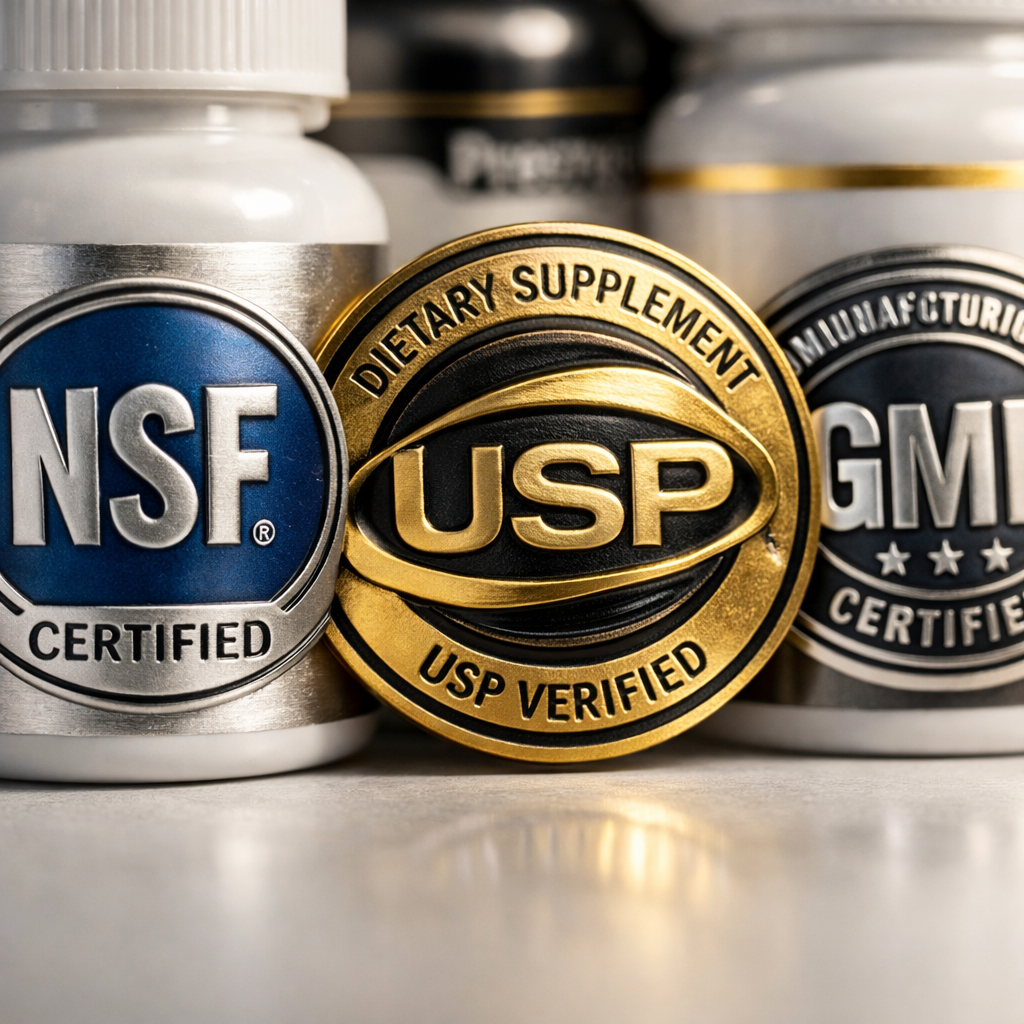
The value of these certifications extends beyond regulatory compliance. For ingredient buyers, supplier certifications provide assurance that you’re working with organizations committed to quality at every level. For brands, product certifications differentiate your offerings in a crowded marketplace where many products make quality claims but few can substantiate them. For consumers and practitioners, certifications from recognized third parties provide independent verification of quality claims, allowing them to make informed decisions. Thorne’s facility certifications from NSF International and Australia’s Therapeutic Goods Administration (TGA) represent some of the highest manufacturing standards in the supplement industry, demonstrating how certifications complement robust internal quality systems rather than replacing them.
However, certifications are only as valuable as the manufacturing controls and quality systems that support them. This includes implementing validated manufacturing processes that consistently produce products meeting specifications, maintaining environmental controls that prevent contamination, establishing equipment cleaning and maintenance protocols that prevent cross-contamination, and training personnel in quality procedures and GMP requirements. Regular internal audits verify that procedures are followed and identify opportunities for improvement. Document control systems ensure that all procedures, specifications, and test results are recorded and maintained. Change control processes ensure that any modifications to formulations, processes, or suppliers are evaluated for impact on product quality. These systems work together to create a culture of quality where every employee understands their role in maintaining product integrity.
Traceability and recall readiness represent essential elements of consumer protection that receive insufficient attention until problems arise. Complete traceability means being able to track every ingredient from source through manufacturing to distribution, allowing rapid identification and isolation of affected products if quality issues emerge. This requires maintaining detailed batch records that document ingredient sources, test results, manufacturing parameters, and distribution channels for every batch produced. Thorne operates from NSF International and TGA-certified facilities that maintain comprehensive traceability systems, enabling rapid response if quality concerns emerge. For ingredient buyers, ensuring that your suppliers maintain similar traceability is essential—you need to know not just what you purchased, but where it came from and where it went.
Recall readiness means having procedures in place to quickly and effectively remove products from distribution channels if safety concerns arise. This includes maintaining accurate distribution records, establishing communication protocols with retailers and consumers, and conducting regular mock recalls to test the effectiveness of recall procedures. While no manufacturer wants to conduct a recall, being prepared to do so quickly and thoroughly demonstrates commitment to consumer safety. The ability to conduct targeted recalls—removing only affected batches rather than all products—depends on having robust traceability systems that can precisely identify which batches contain potentially problematic ingredients.
Risk management and continuous improvement represent the final piece of a comprehensive quality approach. Effective risk management means systematically identifying potential quality threats and implementing controls to prevent them. This includes conducting Hazard Analysis and Critical Control Points (HACCP) assessments for manufacturing processes, performing Failure Modes and Effects Analysis (FMEA) to identify potential failure points, and maintaining vigilance for emerging contaminant threats like new pesticides or environmental pollutants. Continuous improvement means regularly reviewing quality metrics, investigating the root causes of quality deviations, implementing corrective and preventive actions, and updating procedures based on lessons learned. Supplier performance should be monitored through scorecards that track key metrics like on-time delivery, specification compliance, and test results. Regular supplier reviews should evaluate these metrics and identify opportunities for improvement in supplier partnerships.
For brands and practitioners looking to implement these standards, several practical takeaways emerge from examining Thorne’s approach. First, build a formal supplier qualification program that goes beyond accepting supplier documentation at face value. This means conducting audits, requesting and reviewing test data, and establishing clear criteria for supplier approval and ongoing monitoring. Second, develop detailed ingredient specifications that address identity, potency, purity, and any other parameters relevant to your specific formulations. These specifications should exceed minimum regulatory requirements and reflect your commitment to quality. Third, implement both independent and in-house testing protocols that verify ingredient quality before and during manufacturing. This dual approach provides multiple checkpoints that catch problems before they reach consumers.
Fourth, pursue relevant third-party certifications that demonstrate your commitment to quality and provide independent verification of your quality systems. While certifications require investment, they build credibility with practitioners and consumers while forcing improvements in your quality systems. Fifth, embrace transparency in labeling and data disclosure. Make Certificates of Analysis available, clearly label all ingredients including excipients, and provide information that allows consumers and practitioners to verify your quality claims. Sixth, establish robust traceability systems that enable rapid identification and recall of affected products if quality issues emerge. Finally, develop a culture of continuous improvement where quality isn’t viewed as a static target but as an ongoing commitment to excellence.
These practices align directly with NutraAeon’s philosophy of quality, transparency, and empowerment. We believe that excellence in nutritional ingredients isn’t achieved through cutting corners or accepting minimum standards—it requires rigorous attention to every detail from source to delivery. Our commitment to quality means implementing testing protocols that exceed USP and FDA expectations, ensuring that every ingredient we supply meets the demanding standards of forward-thinking manufacturers. Our commitment to transparency means providing complete documentation, comprehensive Certificates of Analysis, and full supply chain visibility from ingredient source to delivery. Our commitment to empowerment means supporting your formulation efforts with technical expertise, regulatory guidance, and innovative ingredient solutions that help your products stand out in competitive markets.
As a global leader in nutritional ingredient sourcing, NutraAeon connects innovative supplement manufacturers with premium-quality raw materials that meet the rigorous standards exemplified by companies like Thorne. Whether you’re developing products for sports nutrition, cognitive support, sleep quality, or overall wellness, the quality of your ingredients determines the efficacy and safety of your finished products. By implementing the quality standards outlined here—rigorous supplier qualification, precise specifications, comprehensive testing, third-party validation, transparent labeling, and robust traceability—you build a foundation for products that earn and maintain consumer trust.
The supplement industry stands at a crossroads. Consumer awareness of quality issues has never been higher, regulatory scrutiny continues to increase, and competition intensifies daily. In this environment, quality isn’t just a competitive advantage—it’s a prerequisite for long-term success. By understanding and implementing the standards exemplified by industry leaders like Thorne, ingredient buyers and manufacturers can ensure their products meet the expectations of today’s informed consumers and demanding regulatory environment. The investment in quality pays dividends in reduced risk, enhanced reputation, and the satisfaction of knowing that your products deliver on their promises. In an industry built on trust, there’s no substitute for demonstrable commitment to quality at every stage from ingredient sourcing through finished product delivery.