Something strange keeps showing up in depression research — and it’s not a new antidepressant drug. It’s an amino acid. A quiet, overlooked molecule called L-serine that your brain has been using since before you were born.
Most people have never heard of it. Even many supplement developers have glossed over it in favor of trendier ingredients. But researchers studying mood disorders, brain chemistry, and neurological health keep landing on the same molecule. And the picture forming around the L-serine depression connection is worth paying serious attention to. If you want a broader overview first, our deep-dive on L-serine benefits for brain health covers the full spectrum of what this amino acid does.
What Is L-Serine and Why Does Your Brain Need It?
L-serine is classified as a non-essential amino acid, meaning your body can synthesize it on its own. But “non-essential” is a misleading label. It doesn’t mean unimportant — it means you don’t have to eat it to survive. The brain, however, relies on it heavily.
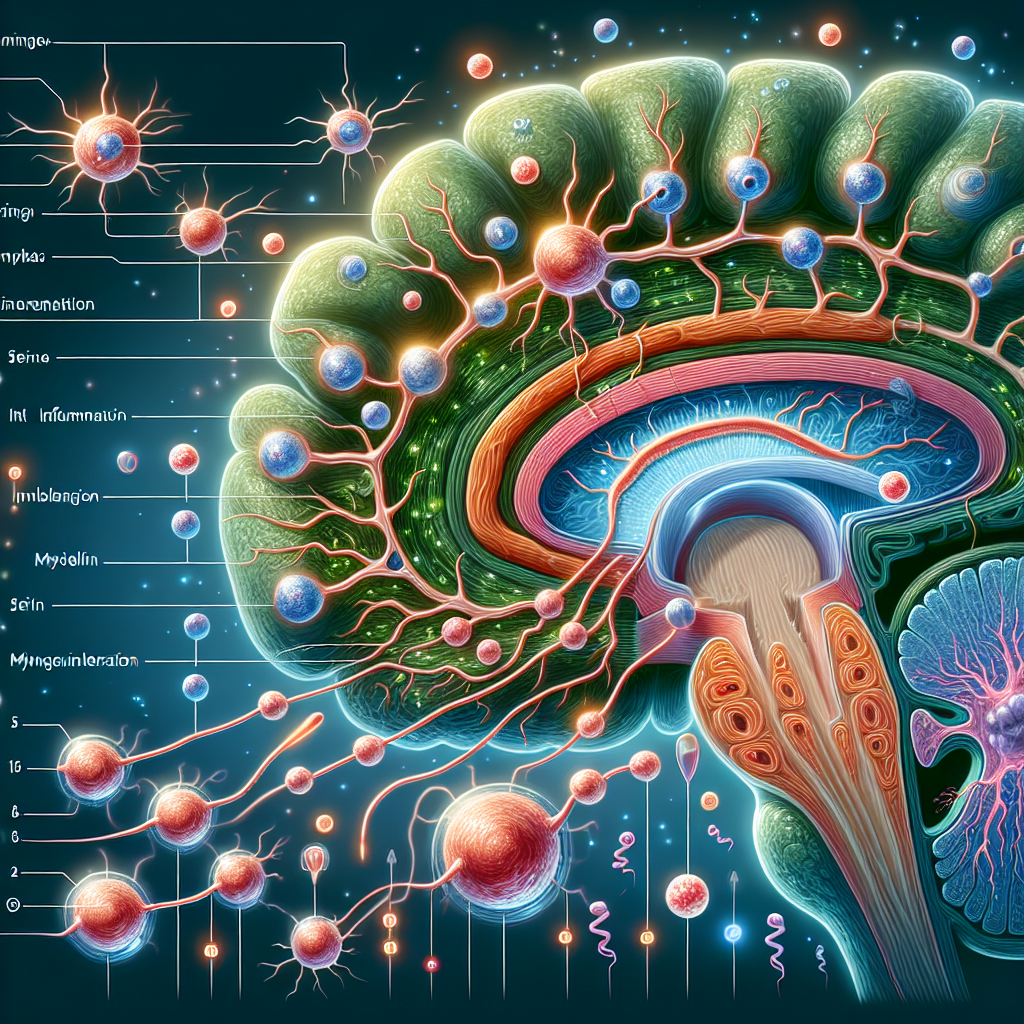
Inside the nervous system, L-serine serves as a backbone molecule for several critical processes. It’s used to build phosphatidylserine, a phospholipid that makes up a substantial portion of neuronal cell membranes. It’s a precursor to glycine and D-serine — two molecules that directly influence how your brain’s glutamate receptors function. And it participates in the biosynthesis of sphingolipids, the fatty compounds that form the myelin sheath insulating your nerve fibers.
When L-serine levels fall — due to chronic stress, poor diet, metabolic dysfunction, or genetic variation — these downstream systems start to suffer. Nerve signal transmission slows. Brain membranes become less fluid. Inflammation increases. The result doesn’t look like a textbook amino acid deficiency. It looks like brain fog, low mood, fatigue, and impaired resilience under stress.
“The brain’s demand for serine is enormous, especially during periods of growth, repair, or elevated stress. When supply consistently lags behind demand, the neurological consequences are subtle but cumulative.” — Dr. Elaine Torres, Ph.D., neuroscience researcher
The NMDA Receptor: Where the Depression Connection Gets Interesting
Here’s where the science gets genuinely fascinating.
L-serine converts in the brain to D-serine, its mirror-image form. D-serine is a co-agonist for NMDA receptors — the same glutamate receptors that have emerged as a major focus of next-generation antidepressant research. You may have heard of ketamine’s rapid antidepressant effects; ketamine works by blocking NMDA receptors. The serine pathway sits right in the same biological real estate.
A 2012 study published in the International Journal of Neuropsychopharmacology found that acute D-serine treatment produced antidepressant-like effects in rodent models by modulating NMDA receptor activity. More recently, a 2025 paper published in Biomedicine & Pharmacotherapy explored dysregulated serine metabolism specifically in depression, concluding that D-serine supplementation may meaningfully improve mood disorders and reduce feelings of sadness.
The mechanism isn’t fully mapped yet. But the working theory is coherent: when NMDA receptor function degrades — whether from low D-serine availability, chronic stress, or excitotoxic damage — glutamate signaling becomes dysregulated. This creates a neurological environment that makes recovery from depression more difficult and antidepressant treatments less effective.
Restoring adequate L-serine levels gives the body the raw material to generate more D-serine, potentially supporting healthier NMDA receptor activity and, by extension, more balanced mood regulation.
What the Human Research Shows So Far
A randomized, double-blind, placebo-controlled study published in Nutrients (June 2022) examined the effects of five amino acids — serine, alanine, glutamate, aspartate, and tyrosine — on mental health markers in healthy office workers. The serine group showed measurable improvements in mental health scores over the study period, suggesting that even in a population without diagnosed depression, L-serine may support psychological resilience.
Separately, researchers studying seasonal affective disorder found that L-serine administration potentiated the antidepressant-like effects of bright light therapy in a mouse model — a result that hints at synergistic potential with existing mood-support protocols.
A 2022 paper in Biomolecules went further, investigating how L-serine influences epigenetic modifications linked to cognition and neuropsychological function, reporting novel benefits that go beyond simple symptom relief.
None of this is a green light to market L-serine as a depression treatment. But the convergence of evidence — NMDA receptor biology, phospholipid membrane health, neuroinflammation reduction, and direct mood-related research — paints a picture of an ingredient with genuine mental health relevance that the supplement industry has underutilized. A 2015 PubMed study even found that serine enantiomers may serve as peripheral biomarkers for depression, underscoring how deeply this amino acid is connected to mood biology.
Neuroinflammation: The Hidden Link Between Depression and Amino Acid Deficiency
One reason the L-serine and depression relationship keeps appearing in the literature is neuroinflammation. Chronic low-grade inflammation in the brain is now considered a major contributor to treatment-resistant depression. Elevated cytokines, activated microglia, and oxidative stress all correlate with depressive symptoms — and they’re all downstream of the same metabolic dysfunction that depletes L-serine.
Research published in Frontiers in Molecular Neuroscience (2021) confirmed that L-serine inhibits the proliferation and activation of microglia and astrocytes while also reducing pro-inflammatory cytokine secretion. In other words, L-serine doesn’t just feed into neurotransmitter pathways — it actively helps cool the neuroinflammatory fire that makes recovery from depression so difficult.
Phosphatidylserine — synthesized directly from L-serine — has its own anti-inflammatory track record. Studies show PS supplementation can inhibit excessive neuroinflammation and support neuroprotection. When you combine the direct serine benefits with the phosphatidylserine pathway, the scope of L-serine’s brain-protective potential becomes considerably broader than most amino acid profiles would suggest.
Sleep, Stress, and the Cascade Nobody Talks About
There’s another pathway worth mentioning: sleep. L-serine has been studied for its effects on sleep quality, with some evidence suggesting it helps regulate circadian rhythm and reduces sleep onset time under stress conditions. This matters for depression because disrupted sleep and depression have a near-inseparable relationship — poor sleep worsens mood, low mood disrupts sleep, and both share common neurobiological roots.
Chronic stress accelerates L-serine depletion, which impairs sleep, which worsens depressive symptoms, which increases stress reactivity — a cycle that’s hard to interrupt without addressing the underlying nutritional deficit. That’s the kind of cascade that gets overlooked when we focus exclusively on neurotransmitter levels without considering the broader amino acid landscape.
For supplement formulators, this creates an interesting opportunity. The mood support category is crowded with 5-HTP, ashwagandha, magnesium, and standardized herbal extracts. L-serine occupies a fundamentally different mechanism — one that supports the structural and biochemical foundation of mood regulation rather than simply nudging serotonin or GABA levels.
What This Means for Supplement Formulators
If you’re developing a mood support, stress resilience, or cognitive health formula, L-serine deserves a closer look. Here’s what the practical picture looks like:
- Typical research dosages range from 500mg to 2,000mg per day, often split across two servings
- Combination candidates include magnesium glycinate (NMDA receptor support), phosphatidylserine (already a well-known cognitive ingredient), and L-theanine (relaxation without sedation)
- Safety profile is favorable — L-serine is a naturally occurring amino acid with no significant adverse effects reported in clinical trials at standard supplemental doses
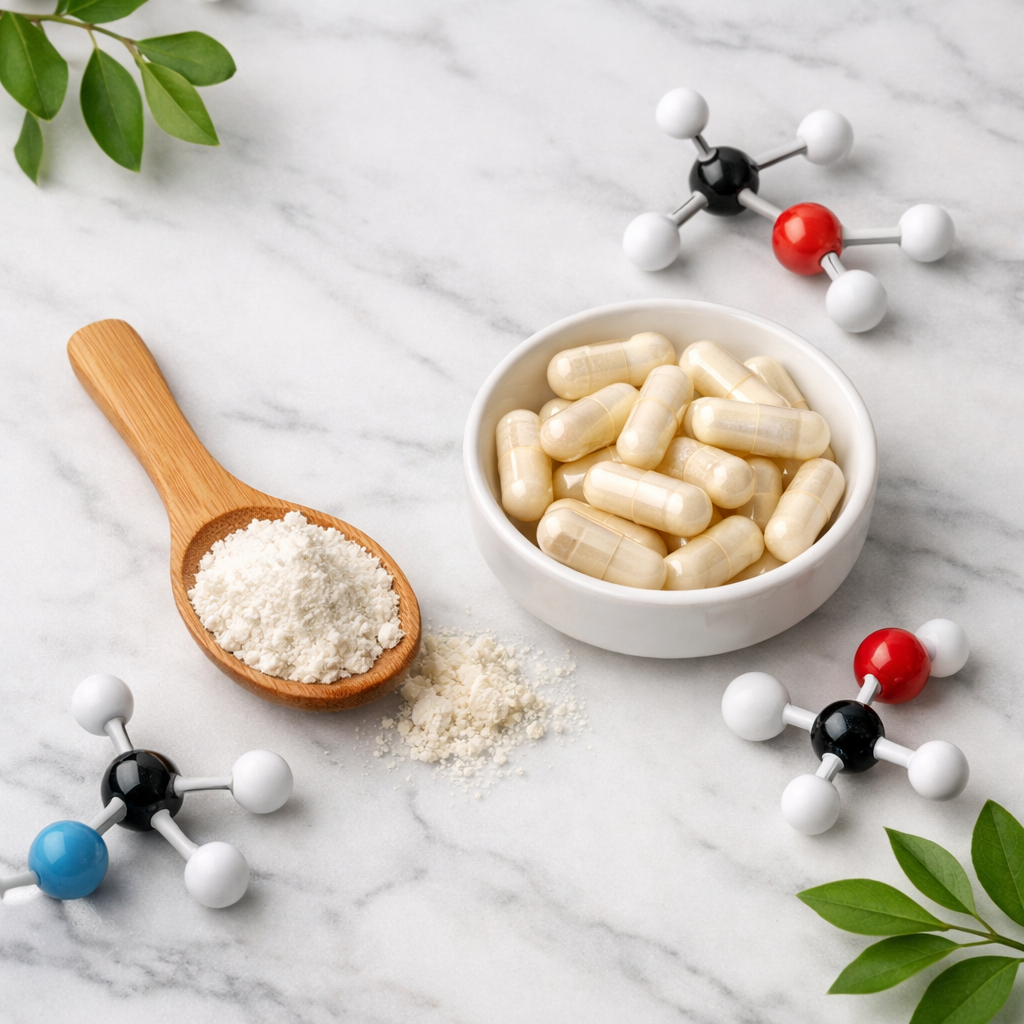
- Sourcing quality matters because purity and consistent particle size affect bioavailability, especially in powder-based or capsule formulations targeting neurological applications
The ingredient is manufactured at scale and available from verified suppliers with proper documentation — certificates of analysis, specification sheets, and manufacturing certifications that matter for your regulatory compliance. Whether you’re developing a 25kg R&D batch or scaling to commercial volumes, clean L-serine supply chains exist for brands of all sizes. You can explore NutraAeon’s full amino acid catalog to see what’s available with full GMP/ISO certification and transparent sourcing.
The Bigger Picture
Depression affects roughly 280 million people globally, according to the World Health Organization. Conventional treatments — SSRIs, SNRIs, therapy — help many people, but a significant portion remain partially treated or treatment-resistant. The research community is actively hunting for complementary approaches that support the brain’s own recovery mechanisms rather than simply overriding them.
L-serine won’t replace antidepressants. But as part of a thoughtfully formulated supplement approach, it addresses biological pathways — NMDA receptor function, neuroinflammation, membrane health, myelin integrity — that are demonstrably relevant to mood and resilience.
The supplement industry has always had the opportunity to get ahead of mainstream medicine on emerging nutritional science. The L-serine depression story is still early enough that most brands haven’t touched it. That creates a window for formulators who follow the research closely and are willing to build products around solid mechanisms rather than trending ingredients. If you’re ready to explore L-serine for your next formula, reach out to our sourcing team — we can get you specification sheets, COAs, and sample quantities within 48 hours.
Sometimes the missing piece in a complex puzzle is the one that nobody thought to look for.