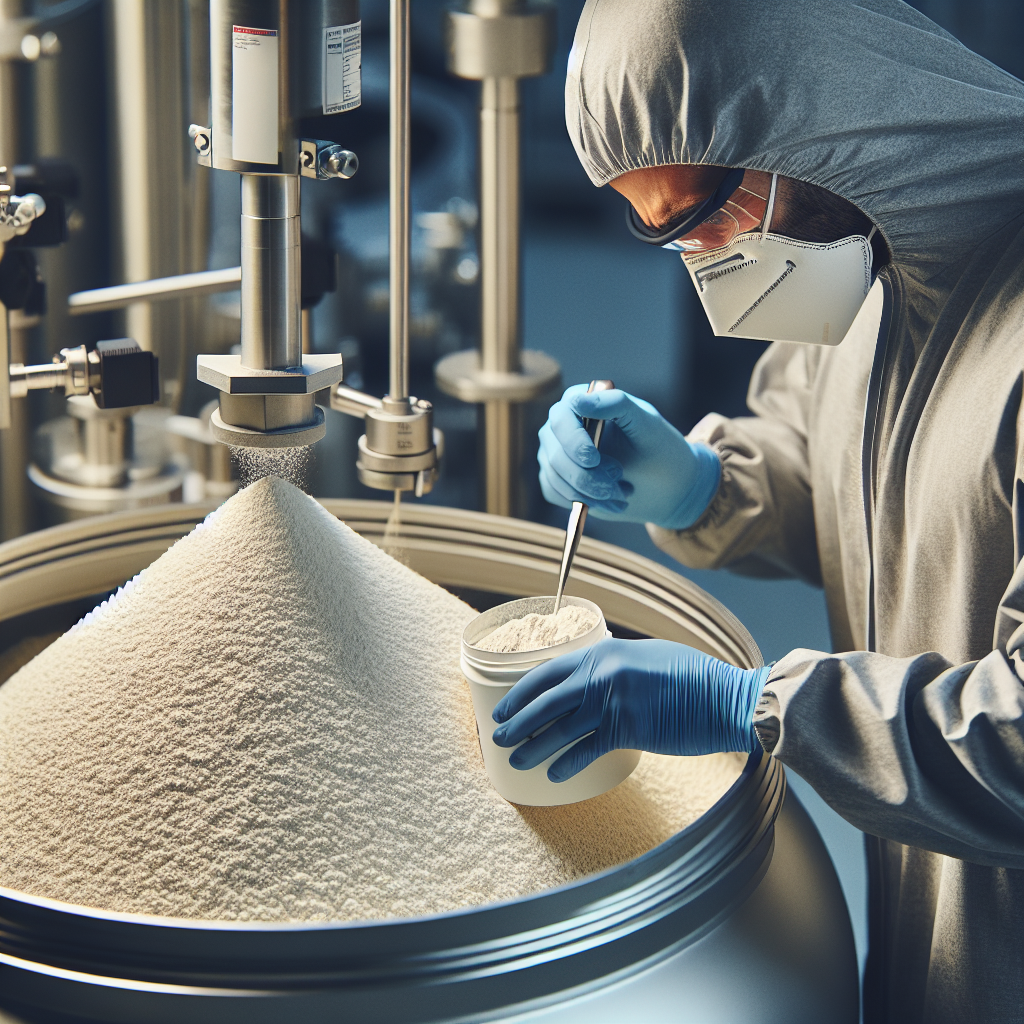
L-Serine stands as one of the brain’s most intriguing nonessential amino acids—a designation that belies its critical importance to cognitive function. While your body can synthesize L-Serine on its own, this amino acid serves as a fundamental building block for neural signaling pathways, inflammation modulation, and the lipid components that form brain cell membranes. Research increasingly points to L-Serine’s indirect yet significant influence on cognitive health through multiple interconnected brain pathways. Understanding how this amino acid works helps explain why manufacturers are incorporating it into brain health formulations, though the science reveals a more nuanced picture than simple supplementation might suggest.
The L-Serine to D-Serine Conversion: A Critical Pathway for Learning
The relationship between L-Serine and cognitive function begins with a remarkable transformation. Inside your brain, L-Serine serves as the precursor to D-Serine, its mirror-image molecular twin. This conversion matters tremendously because D-Serine acts as a co-agonist at N-methyl-D-aspartate (NMDA) receptors—specialized protein structures on neurons that govern synaptic plasticity, the brain’s ability to form and strengthen connections between nerve cells. Understanding how L-Serine metabolism supports these neural pathways reveals why this amino acid is fundamental to cognitive function.
Synaptic plasticity represents the biological foundation of learning and memory. When you acquire new information or develop a skill, NMDA receptors facilitate the cellular changes that encode these experiences into lasting memories. However, these receptors require dual activation: glutamate must bind to one site while either glycine or D-Serine binds to another. D-Serine has emerged as particularly important in the hippocampus and cortex, brain regions essential for memory formation and higher-order thinking.

The balance between L-Serine availability and D-Serine production influences NMDA receptor activity in ways that affect cognitive flexibility—your ability to adapt thinking patterns and shift attention between tasks. This metabolic pathway demonstrates why L-Serine serves as a missing puzzle piece in comprehensive brain health strategies. When D-Serine levels remain adequate, NMDA receptors respond appropriately to neural signals. When this balance falters, the efficiency of information processing may decline. Studies have demonstrated that D-Serine binding to these receptors enhances postsynaptic currents, strengthening the communication between neurons that underlies memory consolidation.
NMDA Receptors and Age-Related Cognitive Changes
The connection between D-Serine, NMDA receptors, and brain signaling becomes particularly relevant as we age. Research indicates that D-Serine production often diminishes with advancing years, potentially contributing to the subtle cognitive changes many people experience. This reduction in D-Serine means NMDA receptors may not activate as fully or as efficiently as they once did.
Astrocytes—star-shaped brain cells that support neurons—play a pivotal role in regulating D-Serine availability. These cells produce and release D-Serine, functioning as key modulators of synaptic transmission. For years, scientists have recognized that D-Serine influences synaptic plasticity, brain development, and various neurological conditions. The amino acid helps maintain the delicate balance of excitatory signaling that supports learning while preventing overactivation that could damage neurons.
When D-Serine levels drop, NMDA receptor-dependent synaptic plasticity may become impaired. This disruption can manifest as difficulties with memory formation, reduced cognitive flexibility, or challenges in learning new information. The mechanism involves decreased receptor activation during critical periods when neurons would normally strengthen their connections. However, it’s important to note that cognitive aging involves multiple interacting factors, and D-Serine availability represents just one piece of a complex puzzle.
What Clinical Evidence Actually Shows About L-Serine Cognitive
Current research on L-Serine’s cognitive effects presents a mixed picture that demands careful interpretation. Some studies suggest that L-Serine influences brain cytokine production and inflammatory responses through the AMPK and NF-κB signaling pathways. Research has shown that L-Serine can decrease production of pro-inflammatory cytokines including IL-1β, TNF-α, IL-6, and IL-8. This anti-inflammatory activity matters because chronic neuroinflammation contributes to cognitive decline and neurodegenerative processes.
Additionally, serine chiral homeostasis appears disrupted in conditions involving inflammatory demyelination, where the protective myelin sheaths around neurons become damaged. Studies indicate that endogenous D-Serine may help prevent motor deficits caused by this type of inflammation, suggesting a neuroprotective role that extends beyond simple cognitive enhancement.
Despite these promising mechanisms, clinical evidence regarding L-Serine supplementation for cognitive enhancement in healthy adults remains limited and inconclusive. While serine in various forms is marketed to boost cognitive function and memory in both healthy individuals and those with degenerative brain disorders, the scientific support varies considerably depending on the population studied and the specific cognitive outcomes measured.
Research in elderly individuals with cognitive complaints has shown that serine may improve attention, arousal, verbal fluency, and memory. Studies examining L-Serine’s effects on anxiety provide additional context for understanding its neurological benefits beyond pure cognitive enhancement. However, the mechanism of action remains unclear, and these benefits have primarily been documented in populations already experiencing cognitive difficulties rather than healthy adults seeking enhancement. For manufacturers and formulators, this distinction matters significantly. The evidence suggests that L-Serine cognitive support may be most relevant for addressing existing deficits rather than enhancing already-normal function.
Furthermore, studies examining D-Serine specifically have found that supplementation can reduce feelings of sadness and anxiety in animal models by inhibiting certain neural pathways. While these findings hint at broader neurological benefits, translating animal research to human outcomes requires caution and further investigation.
Phosphatidylserine: A Complementary Approach to Brain Health
When formulating brain health products, many manufacturers combine L-Serine with Phosphatidylserine (PS), a phospholipid component of cell membranes particularly abundant in brain tissue. This pairing reflects an attempt to address cognitive health through multiple mechanisms simultaneously.
PS has accumulated a more substantial body of evidence supporting its role in memory and cognitive function, particularly in aging populations. The compound is believed to influence mood regulation, restorative sleep, and various cognitive functions including attention, focus, processing speed, and memory. Studies suggest that PS containing omega-3 fatty acids may improve memory abilities in non-demented elderly individuals with memory complaints, though results have varied across different research trials.

The proposed mechanism involves PS’s structural role in maintaining neuronal membrane fluidity and its participation in cell signaling pathways. Adequate PS levels may support the efficiency of neurotransmitter systems and help preserve the structural integrity of brain cells. Some research indicates that PS supplementation over six to twelve weeks may help maintain recall and reduce absentmindedness.
However, PS supplementation comes with ⚠️ important safety considerations. Individuals taking blood-thinning medications should exercise caution, as PS may interact with anticoagulant therapies. This highlights a critical principle for brain health formulations: even compounds with promising cognitive benefits require careful evaluation of potential risks and contraindications.
At NutraAeon, we recognize that quality and transparency in ingredient sourcing directly impact the safety and efficacy of final formulations. When manufacturers select premium-grade PS and L-Serine backed by complete documentation and certificates of analysis, they can better ensure that products meet the rigorous standards today’s informed consumers expect.
Strategic Formulation Approaches for Serine-Based Brain Health Products
Creating effective brain health formulations requires more than simply combining ingredients with theoretical benefits. Evidence-based strategies focus on supporting the body’s endogenous serine pathways—the natural systems that produce, convert, and regulate L-Serine and D-Serine levels.
One approach involves ensuring adequate availability of nutrients that support serine biosynthesis. The body produces L-Serine from 3-phosphoglycerate, an intermediate in glucose metabolism, through a pathway requiring B-vitamins and other cofactors. Our detailed guide on L-Serine metabolism pathways explores these biochemical processes and their implications for supplement design. Formulations that provide these supporting nutrients may help maintain the metabolic capacity to generate serine as needed.
Another consideration involves the timing and dosing of serine supplementation. Maintaining appropriate serine intake supports normal protein synthesis, metabolism, and neurological function. However, the optimal amounts and delivery methods remain subjects of ongoing research. Some studies have used relatively high doses, while others suggest that moderate amounts combined with other brain-supportive nutrients may provide sufficient benefit.
Integrating PS into serine-based formulations offers potential synergy. While L-Serine influences NMDA receptor function through D-Serine conversion, PS supports the structural and functional integrity of neuronal membranes through different mechanisms. This multi-pathway approach aligns with the understanding that cognitive health depends on numerous interconnected systems.
Beyond specific ingredients, holistic formulation strategies consider the broader context of brain health. This includes supporting antioxidant defenses against oxidative stress, providing adequate B-vitamins for methylation and neurotransmitter synthesis, and ensuring sufficient omega-3 fatty acids for membrane structure. L-Serine cognitive support works best when integrated into comprehensive formulations that address multiple aspects of neurological function.
For supplement manufacturers partnering with ingredient suppliers like NutraAeon, access to high-purity amino acids with rigorous quality control becomes essential. Learn more about our commitment to industry-leading quality control standards that ensure every ingredient meets pharmaceutical-grade specifications. Every batch of L-Serine should meet or exceed USP and FDA expectations, with full supply chain visibility from source to delivery. This quality foundation allows formulators to focus on creating innovative combinations that stand out in a competitive marketplace while maintaining the safety and efficacy consumers deserve.
The Importance of Evidence-Based Use and Professional Guidance
The science surrounding L-Serine cognitive support reveals both promise and limitations. While the amino acid clearly plays important roles in brain chemistry, and while disruptions in serine pathways may contribute to cognitive difficulties, direct evidence for supplementation benefits in healthy adults remains limited.
This reality underscores the need for honest, balanced communication about brain health supplements. Manufacturers should present L-Serine cognitive formulations as tools for supporting brain health rather than cure-alls for cognitive decline. The most responsible approach involves encouraging consumers to view supplementation as one component of a comprehensive brain health strategy.
Such a strategy extends far beyond any single supplement. 💪 Regular physical exercise increases blood flow to the brain and promotes neuroplasticity. 😴 Quality sleep allows the brain to clear metabolic waste and consolidate memories. 🧘 Stress management techniques protect against the damaging effects of chronic cortisol elevation. 🧠 Cognitive engagement through learning and social interaction provides the mental stimulation that keeps neural networks active and adaptable. 🥗 Nutrition rich in antioxidants, healthy fats, and essential nutrients provides the raw materials the brain needs to function optimally.
Within this broader context, L-Serine supplementation may offer additional support, particularly for individuals experiencing cognitive difficulties or those with specific risk factors for cognitive decline. However, anyone considering L-Serine cognitive or PS supplementation should consult with healthcare professionals first, especially those dealing with neurological conditions or taking medications that might interact with these compounds.
Healthcare providers can evaluate individual health status, review potential drug interactions, and help determine whether supplementation makes sense given a person’s specific circumstances. They can also monitor for effects and adjust recommendations based on response. This personalized approach far exceeds the one-size-fits-all model often associated with over-the-counter supplements.
Moving Forward with Science-Informed Brain Health Support
The emerging understanding of L-Serine’s role in cognitive function illustrates how modern nutritional science reveals increasingly sophisticated connections between diet, supplementation, and brain health. The pathway from L-Serine → D-Serine → NMDA receptor activation demonstrates that even “nonessential” amino acids can have profound effects on cognitive processes when metabolic systems function properly.
For forward-thinking supplement manufacturers, this knowledge creates opportunities to develop innovative formulations grounded in scientific mechanisms. By combining L-Serine with complementary ingredients like PS, B-vitamins, and omega-3 fatty acids, formulators can create products that address multiple aspects of brain health simultaneously. These multi-pathway approaches reflect the biological reality that cognitive function depends on numerous interacting systems rather than any single compound or mechanism.
Quality ingredients form the foundation of effective formulations. At NutraAeon, our commitment to excellence means every amino acid, vitamin, and mineral meets industry-leading standards through rigorous testing protocols. This quality assurance extends throughout the entire supply chain, providing manufacturers with the transparency and documentation needed to confidently stand behind their products.
As research continues to clarify the roles of L-Serine and related compounds in cognitive health, formulation strategies will likely become even more sophisticated. The goal remains constant: empowering manufacturers to create products that genuinely support brain health while maintaining the highest standards of quality and transparency that consumers deserve. This commitment to evidence-based innovation, combined with recognition of current scientific limitations, represents the most responsible path forward in the evolving field of cognitive health supplementation.