Understanding ingredient lists on food labels isn’t just a skill for consumers—it’s a fundamental requirement for manufacturers, product developers, and businesses committed to creating nutritional products that truly deliver on their promises. The ability to decode these labels represents the difference between formulating products that build lasting trust and those that merely fill shelves. For forward-thinking supplement manufacturers and health-conscious product developers, mastering ingredient transparency becomes the foundation for creating products that stand out in an increasingly competitive marketplace.
The ingredients list on food labels serves as a window into product quality and manufacturing integrity. Understanding FDA food labeling requirements helps manufacturers navigate the regulatory landscape while building consumer trust. When manufacturers understand how to read and create these lists properly, they empower themselves to make strategic sourcing decisions, ensure regulatory compliance, and ultimately deliver superior products to health-conscious consumers. This transparency doesn’t just satisfy regulatory requirements—it builds the kind of authentic relationships with customers that transform one-time buyers into loyal advocates.
The Regulatory Framework: Understanding Ingredient Order and Requirements
Regulatory bodies worldwide have established clear requirements for how ingredients must appear on food labels. The fundamental principle is straightforward: ingredients must be listed in descending order by weight. The first ingredient on the list represents the largest component by weight, while the last ingredient appears in the smallest quantity. This seemingly simple rule carries profound implications for product development and consumer perception.
For manufacturers working with multi-component ingredients, regulatory requirements become more nuanced. When a product contains ingredients that themselves consist of multiple sub-ingredients—such as a vitamin premix or a flavoring blend—these sub-ingredients must also be disclosed. The FDA requires that compound ingredients be broken down into their individual components when they exceed 2% of the finished product. This level of detail ensures that consumers and B2B partners alike can trace exactly what goes into each formulation.
At NutraAeon, this regulatory framework aligns perfectly with our philosophy of transparency and quality. When we provide ingredients like our high-purity L-Theanine or premium Vitamin C forms to manufacturers, we ensure complete documentation that makes compliance straightforward. Every certificate of analysis, every specification sheet, and every batch record supports manufacturers in creating labels that meet—and exceed—regulatory expectations. This comprehensive approach to ingredient transparency helps our partners build products on a foundation of verified quality and complete disclosure.
The order of ingredients tells a story about formulation priorities. A supplement listing magnesium oxide as the first ingredient communicates a different message than one where it appears midway through the list. For product developers, understanding this principle helps in creating formulations that not only deliver nutritional benefits but also present honestly to the marketplace. When you partner with a supplier committed to transparency, like NutraAeon, you gain access to precise compositional data that allows you to list ingredients with complete confidence and accuracy.

Allergen Labeling: The Critical Safety Component
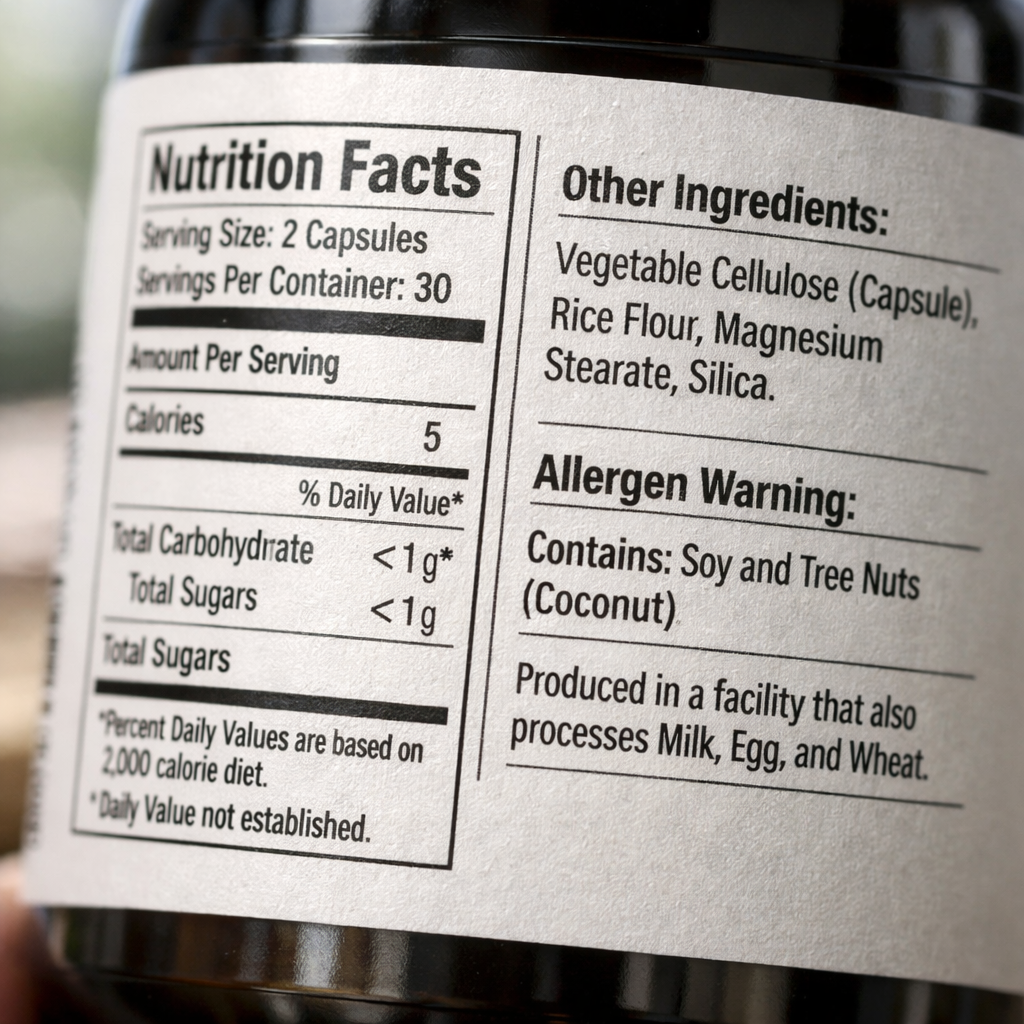
Allergen labeling regulations represent one of the most critical aspects of ingredient transparency, serving as a vital safeguard for consumer health. The Food Allergen Labeling and Consumer Protection Act (FALCPA) requires clear identification of the eight major food allergens: milk, eggs, fish, crustacean shellfish, tree nuts, peanuts, wheat, and soybeans. More recently, sesame was added to this list, expanding the scope of mandatory allergen disclosures.
For manufacturers, proper allergen labeling goes beyond regulatory compliance—it’s a matter of consumer safety and brand reputation. A single mislabeled allergen can result in serious health consequences, product recalls, and lasting damage to brand trust. The regulations mandate that allergen information must be presented in plain language, either within the ingredient list itself or in a separate “Contains” statement immediately following the ingredient list. This dual approach ensures that critical safety information remains accessible and unmistakable.
Industry best practices extend beyond minimum regulatory requirements. Leading manufacturers implement rigorous allergen control programs throughout their supply chains, from ingredient sourcing to final packaging. This includes segregating allergenic ingredients in production facilities, implementing thorough cleaning protocols between production runs, and conducting allergen testing to verify the absence of cross-contamination.
NutraAeon’s commitment to transparency directly supports these critical safety measures. Our ingredient sourcing protocols include comprehensive allergen documentation for every raw material. When you source amino acids like L-Tryptophan or mineral compounds like Magnesium Oxide from NutraAeon, you receive detailed allergen statements that make your labeling process seamless and reliable. This level of documentation empowers manufacturers to create accurate labels while maintaining the highest safety standards for end consumers.
Decoding Common Terms and Avoiding Ambiguity
The language used on ingredient labels can sometimes create confusion, even for experienced product developers. Terms like “natural flavors,” “modified food starch,” or “spices” appear frequently on labels, yet they can obscure the true nature of what’s in a product. Understanding these common terms and their regulatory definitions helps manufacturers create labels that communicate clearly rather than conceal.
“Natural flavors” represents one of the most frequently questioned terms on ingredient lists. While regulations allow this umbrella term, it can refer to flavor compounds derived from a wide range of plant or animal sources. For manufacturers committed to transparency, providing more specific information—such as “natural vanilla flavor” or “natural citrus extracts”—builds greater trust with both B2B partners and end consumers.
Similarly, terms like “modified food starch” indicate that a starch has been chemically or physically altered to improve its functional properties, but they don’t reveal the source of that starch. Could it be corn, potato, tapioca? The ambiguity, while legally permissible, doesn’t serve the interests of transparency-focused brands. Forward-thinking manufacturers increasingly opt for more specific language that clarifies both the source and nature of ingredients.
NutraAeon’s approach to ingredient communication emphasizes plain language and complete disclosure. When we provide technical documentation for our vitamin series—whether it’s multiple forms of Vitamin C, Vitamin E tocopherols, or the complete B-Complex family—we ensure that manufacturers understand not just what the ingredient is, but where it comes from, how it’s processed, and what makes it suitable for their specific applications. This straightforward communication empowers our partners to create labels that educate rather than confuse.
The commitment to clear language extends to avoiding unnecessary technical jargon when simpler alternatives exist. While scientific accuracy remains paramount, effective labels balance precision with accessibility. A term like “ascorbic acid” is scientifically accurate, but “Vitamin C (as ascorbic acid)” provides both clarity and precision. This approach respects the intelligence of readers while ensuring that information remains accessible to those without advanced scientific training.
Genuine Transparency Versus Marketing Claims
The nutritional products industry faces a persistent challenge: distinguishing genuine transparency from marketing claims designed to create health halos without substantive backing. Labels that prominently display “natural,” “organic,” or “clean” may draw consumer attention, yet these terms can obscure rather than illuminate what’s actually inside the package.
Marketing claims on the front of packages don’t always align with the complete ingredient disclosures on the back. A product marketed as “all-natural” might still contain highly processed ingredients that technically qualify as natural under current regulations. A “organic” claim might apply to only a small percentage of the ingredients. This disconnect between marketing language and ingredient reality erodes consumer trust and creates challenges for manufacturers genuinely committed to transparency.
Complete disclosure represents the antidote to this credibility gap. Manufacturers should leverage FDA-compliant ingredient label templates to ensure accuracy and transparency in their product labeling. Manufacturers who provide comprehensive ingredient information—including processing methods, source materials, and functional roles of each ingredient—distinguish themselves in a marketplace increasingly skeptical of incomplete claims. This approach requires working with ingredient suppliers who can provide the documentation and traceability needed for authentic transparency.
NutraAeon’s vision centers on empowering manufacturers with honest ingredient sourcing that supports complete disclosure. When you source our high-purity amino acids like L-Serine for cognitive support or Glycine for sports nutrition applications, you receive documentation that traces each ingredient from source to delivery. This supply chain visibility enables you to make substantive claims backed by verifiable data rather than vague marketing language. Our partners can confidently describe their sourcing practices, quality standards, and ingredient origins because they have complete documentation to support those claims.
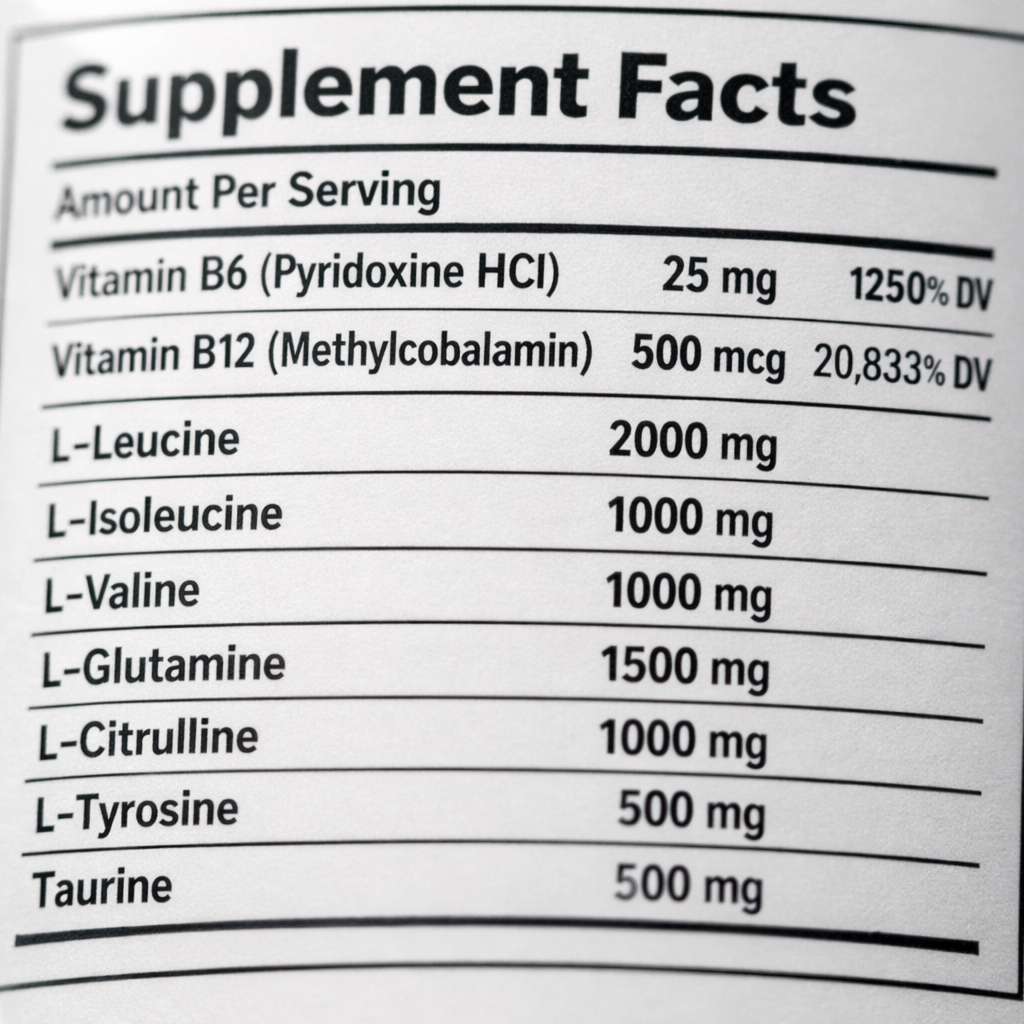
Building consumer trust through transparency requires consistency between marketing messages and ingredient realities. When a brand claims to use “premium ingredients,” the ingredient list should reflect that commitment through recognizable, high-quality components rather than cost-minimizing alternatives. When a manufacturer partners with suppliers who prioritize quality and documentation—like NutraAeon’s industry-leading testing protocols that exceed USP and FDA expectations—they gain the credibility to make claims that resonate as authentic rather than aspirational.
Creating Accessible and Readable Labels
Even the most comprehensive ingredient disclosure fails if consumers and B2B partners can’t easily read and understand nutrition labels. Label accessibility involves both physical readability—adequate font size, appropriate contrast, clear organization—and informational clarity. The FDA provides minimum font size requirements for ingredient lists, but leading manufacturers often exceed these minimums to enhance accessibility.
Contrast plays a crucial role in label readability. Black text on white backgrounds provides maximum contrast, though other color combinations can work if they maintain sufficient distinction. The goal is ensuring that ingredient information remains clearly legible under various lighting conditions and for individuals with varying visual capabilities.
Organization matters as much as typography. Breaking long ingredient lists into logical groupings, using appropriate spacing, and employing hierarchical formatting all contribute to comprehension. When sub-ingredients must be listed within compound ingredients, clear punctuation and formatting help readers distinguish between primary ingredients and their components.
These design considerations reflect a deeper commitment to consumer empowerment—a value central to NutraAeon’s mission. Just as we empower manufacturers through technical expertise, regulatory guidance, and innovative ingredient solutions, accessible labels empower consumers to make informed decisions about the products they choose. Superior quality standards extend beyond the ingredients themselves to encompass every aspect of how product information is communicated.
For manufacturers creating products for health-conscious consumers, label accessibility represents a competitive advantage. When ingredient information is easy to find, read, and understand, it signals respect for customers and confidence in product composition. This approach aligns with the expectations of today’s informed consumers who increasingly demand transparency and reject brands that make information difficult to access.
Practical Tips for Reading Ingredient Lists Effectively
For product developers, R&D teams, and quality managers, developing systematic approaches to evaluating ingredient lists ensures consistent decision-making and supplier selection. Start by reading the entire ingredients list before making judgments about a product. The first few ingredients provide the most information about product composition, but ingredients further down the list can reveal important details about processing aids, preservatives, or functional ingredients.
Pay special attention to ingredient forms and sources when evaluating raw materials for formulation. Not all forms of the same ingredient perform equally—different forms of magnesium, for instance, offer varying bioavailability and functional properties. At NutraAeon, we provide detailed technical information about the specific forms we supply, such as food-grade Magnesium Oxide optimized for supplement applications, ensuring manufacturers can select ingredients based on performance criteria rather than just price.
For businesses developing products for consumers with allergies or dietary restrictions, ingredient list evaluation requires extra vigilance. Look beyond the major allergens to identify ingredients that might affect individuals with sensitivities to additives, colorings, or specific protein sources. Cross-reference ingredient lists with supplier documentation to verify allergen status and manufacturing processes.
Regular review of ingredient lists—even for established products—helps catch reformulations or supplier changes that might affect product quality or allergen status. Manufacturers sometimes change ingredient sources or formulations without prominent notification. For businesses sourcing nutritional ingredients, establishing long-term partnerships with suppliers committed to communication and consistency, like NutraAeon, provides stability and reduces the risk of unexpected changes.
Understanding ingredient functionality helps in evaluating whether a formulation achieves its stated purpose efficiently. A sports nutrition product listing amino acids like Glycine should contain them in quantities that can deliver meaningful benefits, not just token amounts for label claims. NutraAeon’s technical expertise helps manufacturers determine appropriate inclusion rates for ingredients like L-Theanine for stress relief or L-Tryptophan for sleep quality, ensuring formulations deliver on their promises.
Conclusion: The Power of Transparency in Building Trust
The ability to read and create ingredient lists that embody true transparency represents more than a regulatory requirement—it’s a strategic advantage in an increasingly discerning marketplace. Manufacturers who master ingredient disclosure position themselves as trustworthy partners to both B2B customers and end consumers. This transparency builds the kind of authentic relationships that drive long-term success in the nutritional products industry.
Understanding ingredient lists empowers manufacturers to make informed sourcing decisions, create formulations that deliver genuine benefits, and communicate honestly with their markets. When you partner with ingredient suppliers who share your commitment to quality, transparency, and empowerment—core values that define NutraAeon’s approach—you gain access to the documentation, expertise, and premium ingredients needed to create products that stand out through substance rather than just marketing.
The future of the nutritional ingredients industry belongs to brands that embrace complete transparency as a competitive strength rather than viewing disclosure as a necessary burden. As consumer sophistication continues to grow and regulatory frameworks evolve toward greater clarity, manufacturers who have already established transparent practices will lead their markets. They’ll build products on foundations of verified quality, comprehensive documentation, and honest communication—the same principles that guide NutraAeon’s position as a premier global sourcing partner.
Whether you’re formulating supplements with our amino acid series, fortifying products with our vitamin offerings, or developing functional foods with our mineral compounds, the path to market success runs through transparency. Every ingredient list tells a story. Make yours one of quality, honesty, and unwavering commitment to excellence. That’s the NutraAeon difference—and the foundation for building products and brands that truly matter in today’s health-conscious world.