Selecting a nutraceuticals company to manufacture your supplement line is one of the most critical decisions you’ll make as a brand owner. The wrong partner can derail your product launch, damage your reputation, and expose you to regulatory risks that could shut down your business overnight. The right partner becomes an extension of your team—helping you navigate complex regulations, maintain product quality, and scale your operations without compromising on the standards that define your brand.
The challenge isn’t just finding a manufacturer who can produce your formulation. It’s about identifying a partner who shares your commitment to quality, understands the regulatory landscape, and has the systems in place to protect your product’s integrity from raw material sourcing through final delivery. Forward-thinking supplement manufacturers know that cutting corners on manufacturing partnerships inevitably leads to problems down the line—whether that’s failed third-party testing, FDA warning letters, or worse, products that don’t deliver on their promises to consumers.

Understanding the Regulatory Foundation
Before evaluating any potential nutraceuticals company, you need to understand the regulatory framework that governs the industry. In the United States, dietary supplements are regulated under the Dietary Supplement Health and Education Act (DSHEA) of 1994, which established supplements as a distinct category of food products. While supplements don’t require pre-market approval like pharmaceutical drugs, manufacturers must comply with extensive regulations designed to ensure safety and truthful labeling.
The FDA oversees dietary supplement manufacturing through Current Good Manufacturing Practice (CGMP) regulations outlined in 21 CFR Part 111. These regulations require manufacturers to establish quality control procedures, implement proper documentation systems, and maintain facilities that prevent contamination and ensure product consistency. A nutraceuticals company that treats CGMP compliance as a checkbox exercise rather than a fundamental operating principle is a red flag you can’t afford to ignore.
Compliance isn’t just about avoiding FDA warning letters—though those certainly matter. It’s about building a foundation of trust with your customers. When you work with a manufacturer that takes regulatory compliance seriously, you’re protecting your brand from the kind of devastating recalls and quality failures that can destroy years of reputation-building in a matter of days. The best nutraceutical partners view regulations as the minimum standard, not the ceiling for quality.
Quality Systems That Actually Work
A sophisticated quality management system separates professional nutraceutical manufacturers from operations that simply mix ingredients and fill bottles. Look for companies that have implemented comprehensive Standard Operating Procedures (SOPs) covering every aspect of production—from receiving raw materials through final product release. These SOPs shouldn’t exist just to satisfy auditors; they should be living documents that employees actually follow and reference daily.
Rigorous testing protocols form the backbone of any effective quality system. Your manufacturing partner should conduct identity testing on every incoming raw material, not just rely on supplier certificates of analysis. They should perform microbial testing to ensure products meet safety standards, and analytical testing to verify that active ingredients meet label claims for potency. Batch records should document every step of the manufacturing process, creating an audit trail that allows you to trace any finished product back to its source materials.
Documentation matters more than most brand owners realize. When issues arise—and eventually they will—comprehensive records allow you to quickly identify root causes and implement corrective actions. A nutraceuticals company with incomplete or disorganized documentation isn’t just violating CGMP regulations; they’re leaving you exposed to risks you can’t even quantify. Ask potential partners how they manage batch records, what their document retention policies look like, and how quickly they can retrieve historical production data. Their answers will tell you whether quality is truly embedded in their operations or just a marketing message.
The Role of Third-Party Verification
Certifications from organizations like USP (United States Pharmacopeia) and NSF International can provide valuable trust signals for consumers and retailers. These third-party verification programs involve regular facility inspections and product testing against established standards. However, it’s crucial to understand what these certifications actually mean—and what they don’t.
A USP or NSF seal tells you that specific products have passed certain tests at particular points in time. It doesn’t guarantee that every batch meets those standards, nor does it replace the need for robust internal quality controls. Some manufacturers use third-party certifications as marketing tools while maintaining minimal internal testing programs—a dangerous approach that leaves quality outcomes to chance.
The best nutraceuticals companies view third-party certifications as complements to their internal quality systems, not substitutes. They maintain rigorous testing protocols regardless of certification requirements, and they’re transparent about what their certifications actually cover. When evaluating potential partners, ask detailed questions about their testing frequency, what parameters they test for, and how they handle products that fail specifications. Companies that only test when certification bodies require it are telling you that external pressure, not internal commitment, drives their quality decisions.
Product Development Capabilities That Match Your Vision
Your formulation represents the heart of your brand promise. A nutraceuticals company that can’t execute your vision precisely—or worse, suggests compromises that undermine your product’s effectiveness—will limit your growth potential from day one. Look for partners with demonstrated expertise in the types of products you want to create, whether that’s capsules, tablets, powders, or specialized delivery systems.
Flexibility matters as much as capability. Your initial formulation might need adjustments based on stability testing or manufacturing feasibility. A skilled manufacturing partner should guide you through these decisions with technical expertise, explaining the implications of different choices rather than simply implementing whatever you request. They should understand ingredient interactions, bioavailability concerns, and how processing conditions affect active compounds.
Scaling presents unique challenges that many manufacturers underestimate. A formulation that works perfectly in small batches can face unexpected issues when production volumes increase. Your nutraceuticals company should have experience scaling products while maintaining consistency and meeting label claims. They should also demonstrate precision in labeling—ensuring that serving sizes, nutritional information, and structure-function claims comply with FDA regulations while accurately reflecting what’s actually in the bottle.
Supply Chain Transparency You Can Verify
The quality of your finished product depends entirely on the quality of ingredients that go into it. A nutraceuticals company’s approach to ingredient sourcing and supplier management reveals whether they take quality seriously or treat it as a cost center to minimize. Comprehensive supplier qualification processes should evaluate not just prices, but manufacturing practices, testing capabilities, and quality track records.
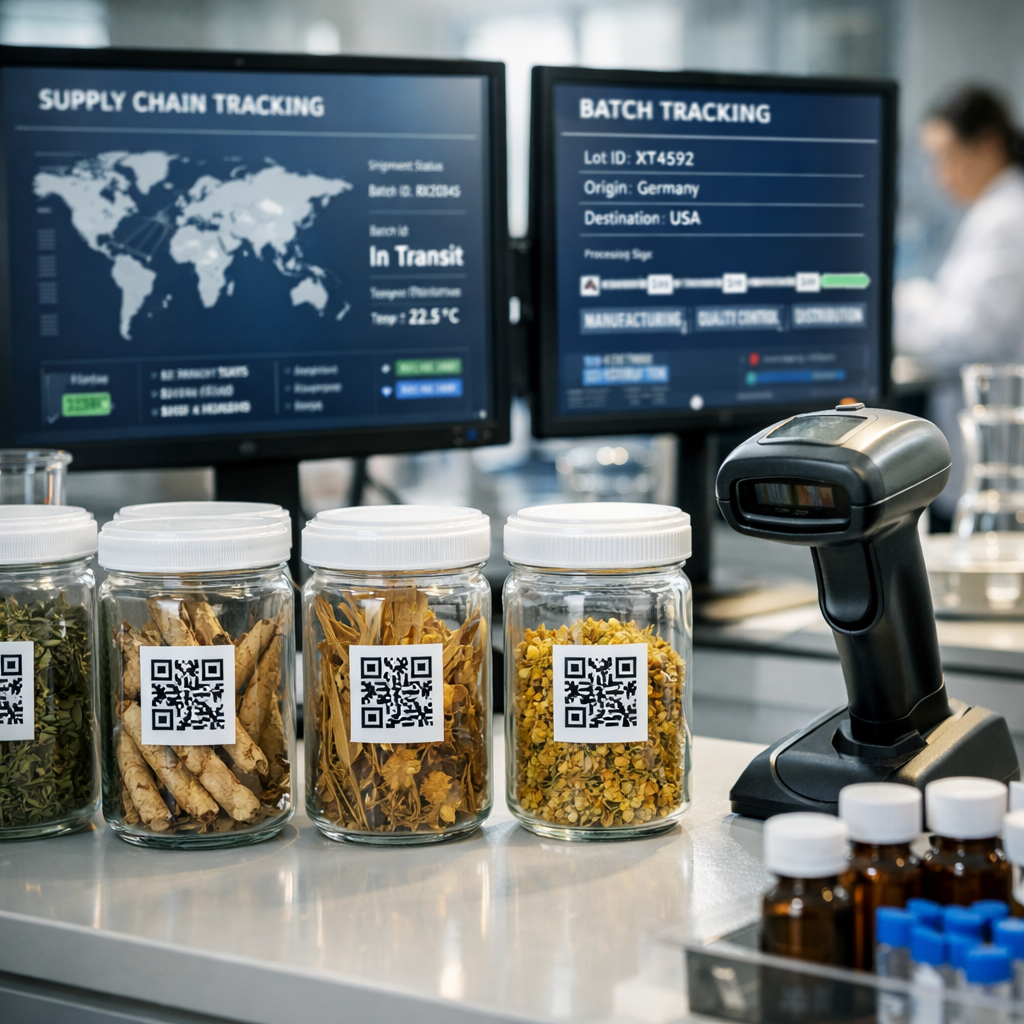
Ingredient traceability creates accountability throughout the supply chain. Your manufacturing partner should be able to tell you exactly which supplier provided the raw materials in any batch of your product, when those materials were received, and what testing was performed. They should maintain relationships with suppliers who provide detailed certificates of analysis, conduct appropriate testing at origin, and demonstrate commitment to quality standards that align with your own.
Transparency becomes particularly critical when dealing with botanical ingredients or materials sourced from regions with varying quality standards. Some nutraceutical manufacturers prioritize cost savings by sourcing the cheapest available ingredients, then rely on minimal testing to catch problems. This approach inevitably leads to quality issues—the only question is whether you’ll catch them before your customers do. Insist on manufacturing partners who maintain clear documentation of their entire supply chain and can demonstrate that supplier relationships are built on quality, not just price.

Manufacturing Capabilities That Inspire Confidence
A facility tour reveals truths that marketing materials often conceal. When evaluating potential nutraceuticals companies, pay attention to cleanliness, organization, and how employees interact with quality procedures. Manufacturing areas should show clear separation between different production zones to prevent cross-contamination. Equipment should be well-maintained and appropriate for the products being manufactured.
Allergen control measures demonstrate whether a manufacturer truly understands contamination risks. Facilities producing multiple product types should have documented procedures for cleaning equipment between runs, validated cleaning protocols, and environmental monitoring programs to verify effectiveness. If a manufacturer produces both allergen-containing and allergen-free products, they should explain their segregation procedures and show you testing data proving they work.
Packaging capabilities matter more than many brand owners realize. Your product’s packaging is the last line of defense against contamination and degradation. A professional nutraceuticals company should handle packaging materials with the same quality standards they apply to active ingredients—verifying that bottles, caps, and seals meet specifications and prevent moisture or oxygen infiltration that could compromise product stability. They should also demonstrate capacity to meet your current needs while having room to scale as your business grows.
Documentation and Audit Readiness
A manufacturer’s documentation practices reveal their quality culture more clearly than any certification badge. Comprehensive batch records should capture every critical parameter—ingredient weights, mixing times, equipment used, environmental conditions, and operator signatures. Deviation records should document any departure from standard procedures and the corrective actions taken. These aren’t bureaucratic exercises; they’re the foundation of product consistency and problem-solving capability.
Change control processes become essential as your products evolve. Whether you’re reformulating to incorporate new ingredients, changing packaging, or optimizing manufacturing processes, formal change control ensures modifications are evaluated for their impact on product quality and regulatory compliance. A nutraceuticals company that allows informal changes or treats change control as an obstacle rather than a safeguard will eventually put your products at risk.
Audit readiness indicates whether quality is truly embedded in operations or merely cosmetic. Manufacturers who maintain organized documentation and can quickly retrieve records aren’t doing it to impress auditors—they’re doing it because systematic record-keeping enables effective problem-solving and continuous improvement. When evaluating potential partners, ask to see examples of batch records, deviation investigations, and corrective action reports. The depth and clarity of these documents will tell you whether quality is measured in documentation completeness or actual outcomes.
Proactive Risk Management
The best nutraceuticals companies don’t just react to quality problems—they actively work to prevent them. Comprehensive risk management starts with robust complaint handling systems that treat every customer concern as valuable feedback. Manufacturers should track complaint trends, investigate root causes, and implement corrective actions to prevent recurrence. A partner who dismisses complaints or treats them as isolated incidents rather than potential signals of systemic issues is a liability waiting to materialize.
Adverse event reporting requirements mean manufacturers must monitor and report serious adverse events associated with dietary supplements to the FDA. Your manufacturing partner should have clear procedures for capturing this information, evaluating its significance, and fulfilling regulatory obligations. More importantly, they should view adverse event monitoring as an opportunity to identify and address potential safety concerns before they escalate.
Recall procedures represent the ultimate test of a manufacturer’s preparedness. While no one wants to contemplate recalling products, the reality is that recalls happen—and how quickly and effectively a manufacturer can execute one determines the scope of damage to your brand and consumers. Evaluate potential partners on their recall mock drill results, their ability to trace product distribution, and their communication protocols for notifying affected parties.
Conducting Thorough Due Diligence
Choosing a nutraceuticals company requires more than reviewing marketing materials and comparing price quotes. Start by requesting and actually reviewing key documents: copies of facility registrations, recent inspection reports (including FDA Form 483s if applicable), certificates of analysis for representative products, and standard operating procedures for critical processes. A manufacturer confident in their quality systems will provide these readily; one that hesitates or makes excuses is telling you something important.
Visit facilities in person whenever possible. Virtual tours can supplement but never replace walking through a manufacturing floor, observing employee practices, and asking questions of the people actually making your products. Pay attention to details—how clean are common areas, how employees discuss quality issues, whether SOPs are accessible and appear actually used. These observations reveal whether quality culture exists throughout the organization or just in executive talking points.
Check references from current clients, particularly those making similar products to yours. Ask specific questions about how the manufacturer handles quality issues, their communication during production delays, and whether finished products consistently meet specifications. A pattern of problems across multiple clients indicates systemic issues that won’t improve just because you’re a new customer.
At NutraAeon, we understand that your choice of manufacturing partner fundamentally shapes your product’s future. That’s why our commitment to quality, transparency, and empowerment extends beyond sourcing premium nutritional ingredients—we believe in connecting manufacturers with partners who share these values. The rigorous testing protocols and complete supply chain documentation we maintain for our amino acids, vitamins, and minerals set a standard that your entire manufacturing relationship should reflect. When you demand excellence from your ingredient suppliers, you should expect nothing less from the companies who transform those ingredients into finished products.
Your supplement brand deserves a nutraceuticals company that views quality as a competitive advantage, transparency as a responsibility, and your success as their own. Don’t compromise on standards that protect your customers, your reputation, and your business’s future.