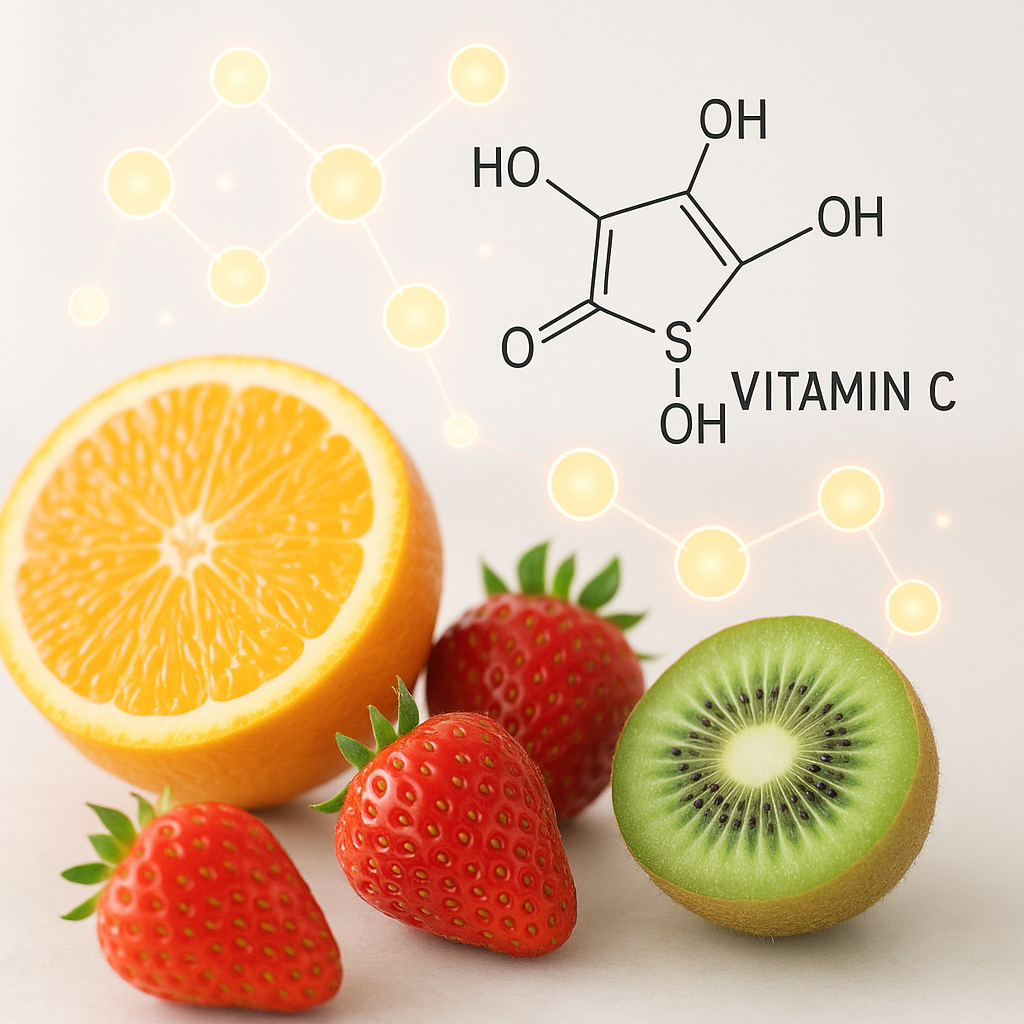
When you pick up a bottle of organic Vitamin C at the health food store, you might assume it came straight from freshly squeezed oranges. The reality is far more complex—and fascinating. The journey from raw material to that certified organic capsule involves scientific precision, regulatory mazes, and sourcing strategies that would surprise even the most health-conscious consumers.
Most people believe organic Vitamin C supplements are simply extracted from citrus fruits and packaged. But the truth reveals a sophisticated global supply chain where the best organic vitamins brands navigate between synthetic production, whole-food extraction, and stringent certification requirements. Understanding this process matters, especially if you’re a manufacturer, product developer, or R&D professional looking to create supplements that truly deliver on their organic promises.
The Unexpected Origins of Organic Vitamin C
The best organic vitamins brands source their Vitamin C from natural origins that go far beyond the orange grove. While citrus fruits contain Vitamin C, they’re rarely the primary source for supplement manufacturers. Instead, top brands turn to concentrated natural sources like acerola cherries, which contain extraordinary amounts of this essential nutrient.
Acerola cherries stand out as a powerhouse ingredient in the organic Vitamin C market. According to USDA data, one cup of acerola cherry juice delivers over 3,000 milligrams of Vitamin C—nearly 30 times more than the same amount of orange juice. Just half a cup of red acerola cherries provides 825 mg of Vitamin C, representing 916% of the daily value. This concentration makes acerola an economically viable source for manufacturers who need high potency without massive volumes of raw material.

But sourcing isn’t just about finding the richest natural sources. The best organic vitamins brands establish direct relationships with growers who follow organic farming practices from soil to harvest. These partnerships ensure that acerola cherries and other Vitamin C-rich sources like camu-camu berries, amla fruit, and rose hips are cultivated without synthetic pesticides, herbicides, or fertilizers.
The extraction process itself requires careful attention to preserve the natural Vitamin C content while meeting organic standards. Leading brands typically use gentle extraction methods that avoid harsh chemical solvents. Cold-pressing, freeze-drying, and water-based extraction techniques help maintain the integrity of the vitamin while keeping the process aligned with organic certification requirements. Acerola cherry powder, for example, typically contains 17-25% Vitamin C by weight, meaning just one teaspoon provides approximately 680-1000mg of natural Vitamin C—a testament to both the source and the extraction method.
Quality control at the sourcing stage involves testing for potency, purity, and potential contaminants. Premium suppliers conduct multiple rounds of analysis to verify that the Vitamin C content matches specifications and that no prohibited substances entered the supply chain. This rigorous approach separates the best organic vitamins brands from those simply chasing the organic label without substance behind it.
Navigating the Regulatory Framework
The organic certification process for Vitamin C supplements involves layers of regulatory oversight that many consumers never consider. In the United States, the USDA National Organic Program (NOP) sets the standards that govern organic certification for dietary supplements. These requirements adapt the same rigorous standards used for organic food production to the unique challenges of supplement manufacturing.
For a Vitamin C supplement to display the USDA Organic logo, it must contain 95% or more certified organic ingredients. This threshold seems straightforward until you consider what it means in practice. Every component—from the Vitamin C source to any carriers, fillers, or capsule materials—must either be certified organic or approved on the NOP’s list of allowed non-organic substances. The 5% allowance exists because certain necessary ingredients, like specific minerals or processing aids, may not have organic equivalents available.
The certification process requires comprehensive documentation at every stage. Manufacturers must maintain detailed records showing the organic status of all ingredients, complete with certificates from organic certifying agents. Supply chain traceability becomes essential—brands need to demonstrate an unbroken organic chain from the farm where raw materials originated through processing, packaging, and distribution.
Leading organic vitamins brands undergo rigorous inspections by USDA-accredited certifying agents who review production facilities, ingredient sourcing, handling practices, and record-keeping systems. These inspections verify that organic ingredients are properly segregated from non-organic materials, that cleaning procedures prevent contamination, and that all processing methods comply with organic standards. The inspection process repeats annually, ensuring ongoing compliance rather than one-time certification.
Transparency emerges as a cornerstone of legitimate organic certification. The best organic vitamins brands provide complete documentation, including certificates of analysis that verify ingredient purity and organic status. They maintain full supply chain visibility, allowing customers to trace ingredients back to their source. This level of transparency reflects a commitment to quality that extends beyond minimum regulatory requirements.
The regulatory framework also addresses what organic certification means for supplement production. Organic farming practices must maintain and improve soil and water quality, reduce synthetic inputs, and promote ecological balance. When these principles apply to supplement ingredients like acerola cherries or amla berries, they ensure that the raw materials come from sustainable agricultural systems that protect environmental health while delivering nutritional value.
Whole-Food Versus Synthetic Vitamin C
The distinction between whole-food and synthetic Vitamin C fundamentally shapes how consumers perceive organic claims and make purchasing decisions. This difference goes deeper than marketing—it influences bioavailability, additional nutrients, and alignment with organic principles.
Synthetic Vitamin C, known chemically as ascorbic acid, is typically produced through industrial fermentation processes. While this method can technically qualify as organic if it uses certified organic substrates and approved processing methods, many health-conscious consumers question whether a laboratory-produced nutrient truly embodies organic values. Synthetic ascorbic acid provides pure Vitamin C, but it lacks the cofactors, bioflavonoids, and complementary nutrients found in whole-food sources.
Whole-food Vitamin C from sources like acerola cherries, camu-camu, and amla berries delivers the vitamin within its natural matrix. This matrix includes compounds that enhance absorption and effectiveness. Research suggests that Vitamin C sourced from acerola cherries is absorbed more efficiently than synthetic ascorbic acid, likely due to the presence of these natural cofactors. The body recognizes whole-food nutrients as food rather than isolated chemicals, potentially improving how it processes and utilizes them.
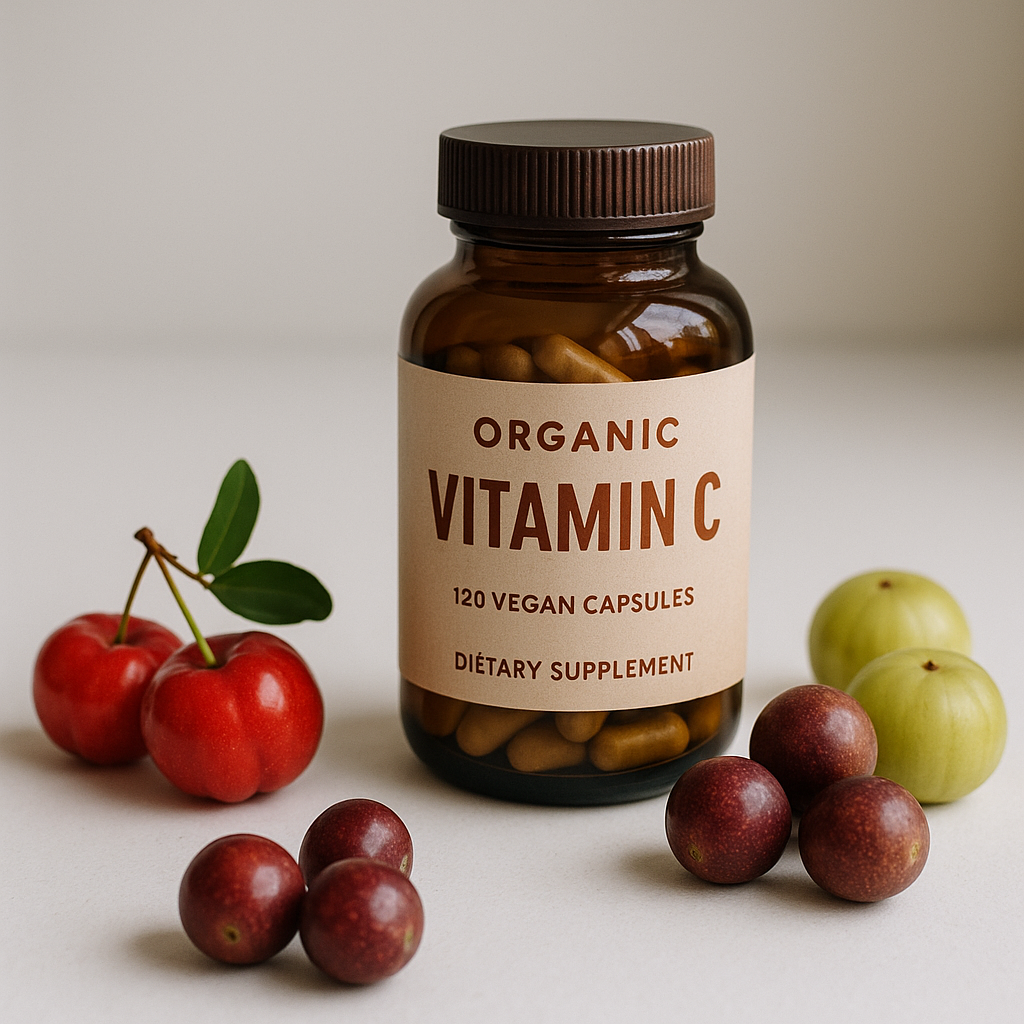
For health-conscious consumers, these differences matter significantly. When someone chooses an organic supplement, they’re often seeking more than just the absence of pesticides—they want ingredients that align with their values about natural, minimally processed nutrition. Whole-food Vitamin C fits this philosophy in ways that synthetic alternatives cannot, regardless of organic certification status.
The best organic vitamins brands understand this consumer mindset and build their product positioning around it. They emphasize natural sources, gentle processing methods, and the additional nutrients present in whole-food ingredients. A supplement featuring 200 mg of Vitamin C naturally sourced from amla berry and acerola cherry tells a different story than one listing 200 mg of organic ascorbic acid, even if both meet technical organic standards.
Market dynamics reflect these preferences. Consumers increasingly scrutinize supplement labels, looking beyond the organic seal to understand ingredient origins and processing methods. Manufacturers who can articulate their sourcing story—explaining why they chose acerola over synthetic production, how they verify organic status, and what additional benefits come from whole-food sources—build stronger connections with their target audience.
The practical implications for product developers and manufacturers are clear. Choosing whole-food Vitamin C sources requires different supply chain relationships, quality control procedures, and pricing strategies compared to synthetic options. But this choice also creates differentiation in a crowded market, appealing to consumers who will pay premium prices for supplements that align with their values about natural, organic nutrition.
This whole-food versus synthetic distinction also influences formulation decisions. Whole-food Vitamin C sources come with naturally occurring compounds that may interact beneficially with other supplement ingredients. Acerola cherries, for instance, contain anthocyanins and flavonoids that provide antioxidant benefits beyond Vitamin C alone. These additional components can enhance the overall value proposition of a supplement formulation while maintaining organic integrity.
Quality, Transparency, and Empowerment in Ingredient Sourcing
The challenges and considerations in organic Vitamin C sourcing mirror broader principles that define excellence in nutritional ingredient supply. Companies like NutraAeon built their foundation on values that address exactly these complexities—quality that exceeds minimum standards, transparency that goes beyond required disclosure, and empowerment that helps manufacturers create exceptional products.
Quality in nutritional ingredient sourcing means more than meeting basic certification requirements. It involves industry-leading testing protocols that verify not just organic status but potency, purity, and safety at levels that exceed expectations. For Vitamin C ingredients, this means confirming the actual nutrient content matches label claims, testing for potential contaminants that organic certification doesn’t specifically address, and ensuring stability throughout the product’s shelf life.
When a manufacturer sources organic Vitamin C from acerola cherries, they need partners who understand the nuances of natural ingredient variability. Unlike synthetic ascorbic acid that delivers consistent potency, whole-food sources can vary based on growing conditions, harvest timing, and processing methods. The best ingredient partners provide comprehensive documentation that accounts for this variability, offering certificates of analysis that detail specific batch characteristics rather than generic specifications.
Transparency transforms the supplier-manufacturer relationship from transactional to collaborative. Complete supply chain visibility means knowing exactly where acerola cherries originated, which organic certifying agent verified the farm, what extraction methods preserved the Vitamin C content, and how testing protocols confirmed final product quality. This level of detail empowers manufacturers to answer consumer questions confidently and build brands based on authentic stories rather than marketing claims.
The regulatory guidance that comes with premium ingredient partnerships proves invaluable when navigating organic certification complexities. Manufacturers working with sophisticated suppliers gain access to technical expertise about which processing aids qualify under NOP guidelines, how to document organic status for certification inspections, and what labeling claims accurately reflect ingredient sourcing. This support prevents costly mistakes and accelerates the path from formulation concept to market-ready product.
Innovation in ingredient solutions keeps manufacturers competitive in rapidly evolving supplement markets. The best partnerships bring market insights about emerging natural Vitamin C sources, consumer preferences shifting toward specific organic claims, and formulation strategies that maximize bioavailability. When a supplier operates as a true partner rather than just an ingredient vendor, they contribute to product differentiation beyond simply delivering raw materials.
For manufacturers developing organic supplements, these partnership qualities directly impact their ability to compete effectively. A forward-thinking supplement manufacturer with access to premium acerola cherry extract, complete supply chain documentation, and expert guidance on organic certification can create products that command premium prices and build loyal customer bases. The ingredient sourcing decision becomes a strategic choice that influences brand positioning, product quality, and market success.
Small businesses and R&D companies particularly benefit from partners who understand their unique challenges. They may lack the purchasing volume of large corporations but need the same quality standards and regulatory support. Working with suppliers committed to empowering all manufacturers—regardless of size—levels the playing field and enables innovation across the industry.
Enterprise businesses requiring strategic ingredient partnerships need suppliers who can scale with their growth while maintaining consistent quality. As production volumes increase and distribution expands, having reliable access to certified organic Vitamin C sources becomes mission-critical. The best ingredient partners build supply networks that accommodate enterprise-scale demand without compromising the quality standards that made initial product launches successful.
Making Informed Choices in Supplement Formulation
Understanding how the best organic vitamins brands actually source their Vitamin C provides actionable insights for manufacturers and developers making ingredient decisions. These choices ripple through product quality, consumer perception, and business success.
Start by questioning simplified narratives about ingredient sourcing. When evaluating potential Vitamin C sources, dig deeper than organic certification status. Ask suppliers about the specific natural sources they use—acerola cherry, camu-camu, amla berry, or rose hips—and why they selected those particular materials. Understand their extraction methods and how these processes preserve nutritional value while maintaining organic integrity. Request documentation that proves these claims rather than accepting marketing statements at face value.
Select partners based on their commitment to quality, transparency, and empowerment rather than just price competitiveness. The cheapest organic Vitamin C might meet minimum certification standards but lack the testing protocols, supply chain visibility, and technical support that distinguish exceptional products from adequate ones. Calculate the true cost of ingredients by considering how supplier capabilities influence product development timelines, regulatory compliance, and brand reputation.
Prioritize whole-food sources when formulating organic supplements. While synthetic ascorbic acid can technically qualify as organic, consumers increasingly recognize and value natural sources. Highlighting ingredients like “Vitamin C naturally sourced from acerola cherry” creates stronger product positioning than generic “organic Vitamin C” claims. This specificity builds consumer trust and justifies premium pricing.
Build supplier relationships that extend beyond transactional ingredient purchasing. The best partnerships provide ongoing market intelligence about consumer trends, regulatory changes, and emerging ingredient innovations. Suppliers who invest in these relationships help manufacturers stay ahead of market shifts rather than constantly reacting to them. This collaborative approach transforms ingredient sourcing from a procurement function into a strategic advantage.
Verify supply chain transparency at every stage. Request certificates of analysis, organic certification documents, and testing results that confirm ingredient specifications. Ask suppliers how they ensure organic integrity throughout their supply chain, from farm relationships through processing and storage. Companies unable or unwilling to provide this documentation should raise immediate concerns about their commitment to quality and transparency.
Consider how ingredient choices align with your target customer values. Health-conscious consumers who seek organic supplements often care about broader issues like environmental sustainability, fair trade practices, and minimal processing. Ingredients sourced through partnerships that embody these values create authentic brand stories that resonate with discerning customers.
Invest in understanding regulatory requirements before finalizing formulations. The USDA Organic certification process involves specific rules about ingredient percentages, allowed substances, and documentation requirements. Working with knowledgeable ingredient suppliers who understand these complexities prevents costly reformulation and delays in bringing products to market.
The supplement industry continues evolving toward greater transparency, higher quality standards, and more sophisticated consumer expectations. Manufacturers who embrace these changes—by choosing premium organic Vitamin C sources, partnering with suppliers committed to excellence, and building products based on authentic sourcing stories—position themselves for long-term success in increasingly competitive markets.
Your ingredient sourcing decisions today shape your brand reputation tomorrow. Choose partners and ingredients that reflect your commitment to quality, support your growth ambitions, and empower you to create supplements that truly stand out. The best organic vitamins brands didn’t achieve market leadership by accident—they made deliberate choices about sourcing, quality, and partnerships that consumers recognize and reward.