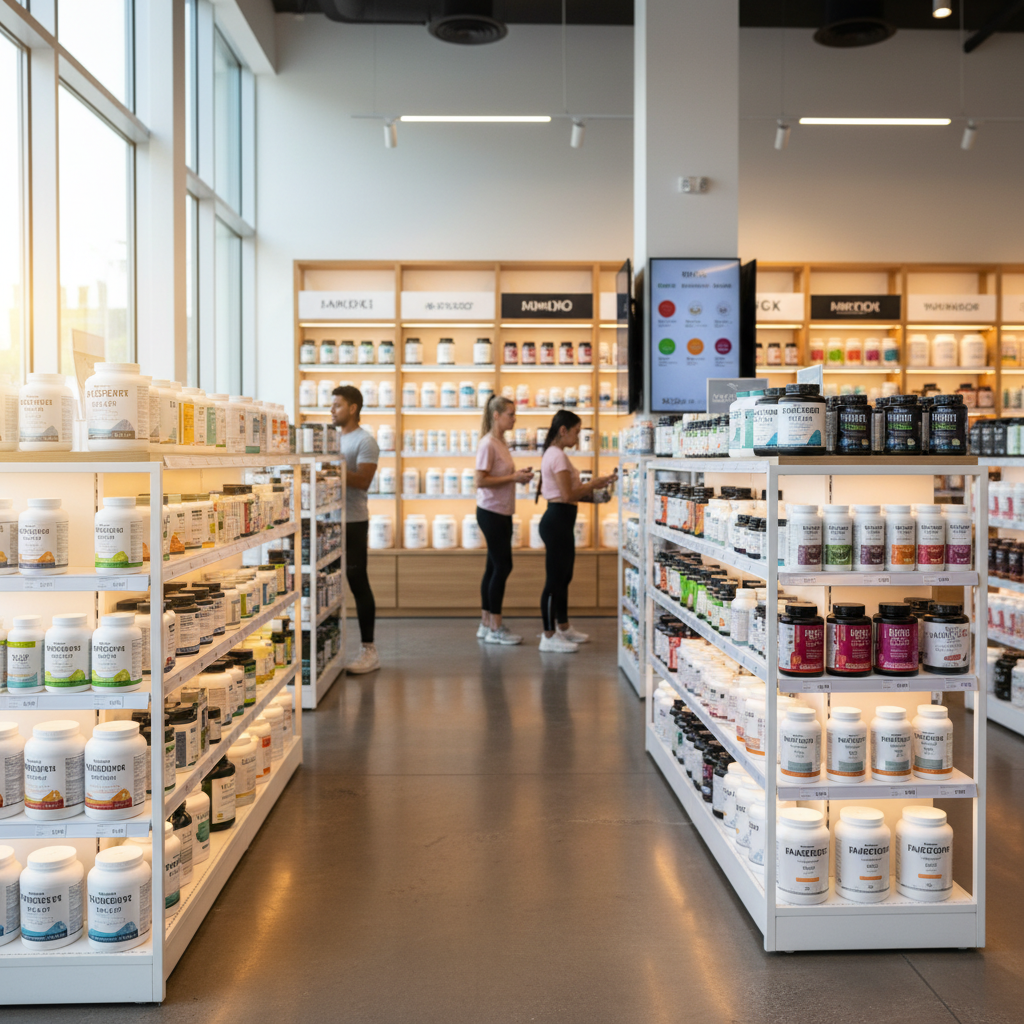
Walking into any supplement store near me, you’ll notice shelves packed with competing brands, each fighting for consumer attention. But what many manufacturers don’t realize is that getting products onto those shelves isn’t about luck—it’s about understanding how retailers think, what they value, and how to position your brand as their ideal partner.
For manufacturers, winning shelf space represents more than just another sales channel. It’s about building credibility, extending market reach, and creating sustainable growth. At NutraAeon, we believe this journey starts with three core principles: quality that exceeds expectations, transparency in every interaction, and empowerment through knowledge sharing. When manufacturers align their approach with these values, they don’t just secure shelf space—they build lasting retail partnerships.
Why Supplement Store Partnerships Matter
Supplement store partnerships serve as powerful growth accelerators for manufacturers. When your products appear in retail locations, you gain immediate credibility with consumers who trust that store’s selection process. Physical shelf presence also creates brand awareness that no online marketing campaign can fully replicate. Customers browsing their local supplement store near me are often in active buying mode, making retail partnerships a direct path to conversion.
Beyond immediate sales, these partnerships open doors to valuable market insights. Retailers share data about customer preferences, seasonal trends, and emerging product categories. This feedback loop helps manufacturers refine their offerings and stay ahead of market shifts. Store owners and category managers become strategic allies who can advocate for your brand within their networks, potentially leading to multi-store distribution deals.
Understanding Core Distribution Models
Manufacturers have several pathways to reach supplement stores, each with distinct advantages. Wholesale distribution remains the most common model, where manufacturers sell products to distributors who then supply multiple retail locations. This approach offers broad market coverage but typically involves lower margins due to distributor markups.
Private label partnerships present another compelling option. In this model, manufacturers produce supplements that retailers sell under their own brand names. This approach often leads to faster shelf adoption since retailers have direct financial incentives to promote their branded products. The relationship becomes collaborative rather than transactional, with shared investment in marketing and product development.
Direct relationships with specialty stores and big-box retailers offer higher margins and more control over brand presentation. However, these arrangements require manufacturers to handle logistics, inventory management, and retailer-specific requirements independently. Success demands robust operational capabilities and strong relationship management skills.
Dropshipping has emerged as a lower-risk entry point, particularly for online-focused retailers expanding into physical locations. Manufacturers ship products directly to end customers, reducing inventory risks for stores. While this model limits physical shelf presence, it establishes relationships that can evolve into traditional wholesale arrangements.
Engaging Key Partner Types for Optimal Shelf Placement
Securing shelf space requires building relationships with multiple stakeholders throughout the retail ecosystem. Distributors serve as gatekeepers to hundreds of retail locations, making them valuable partners for manufacturers seeking rapid expansion. These distributors evaluate potential brands based on product quality, packaging appeal, pricing structure, and marketing support.
Contract manufacturers and co-packers play an often-overlooked role in retail success. When retailers explore private label opportunities, they frequently consult with contract manufacturers about capable ingredient suppliers. By positioning your company as a reliable source of premium raw materials—like NutraAeon’s high-purity amino acids, comprehensive vitamin offerings, and premium mineral compounds—you become part of the retailer’s strategic planning conversations.
Third-party logistics providers (3PLs) influence which brands retailers find easy to work with. 3PLs manage inventory, fulfillment, and distribution logistics. When your products integrate smoothly with their systems, retailers face fewer operational headaches. This operational excellence becomes a competitive advantage, especially when competing against brands with complex fulfillment requirements.
Category managers at retail chains make final decisions about shelf allocation. These professionals analyze sales data, consumer trends, and supplier reliability. They appreciate manufacturers who understand their business challenges and offer solutions—whether that’s flexible order quantities, promotional support, or educational materials for staff training.
Strategies for Success: Building a Winning Approach
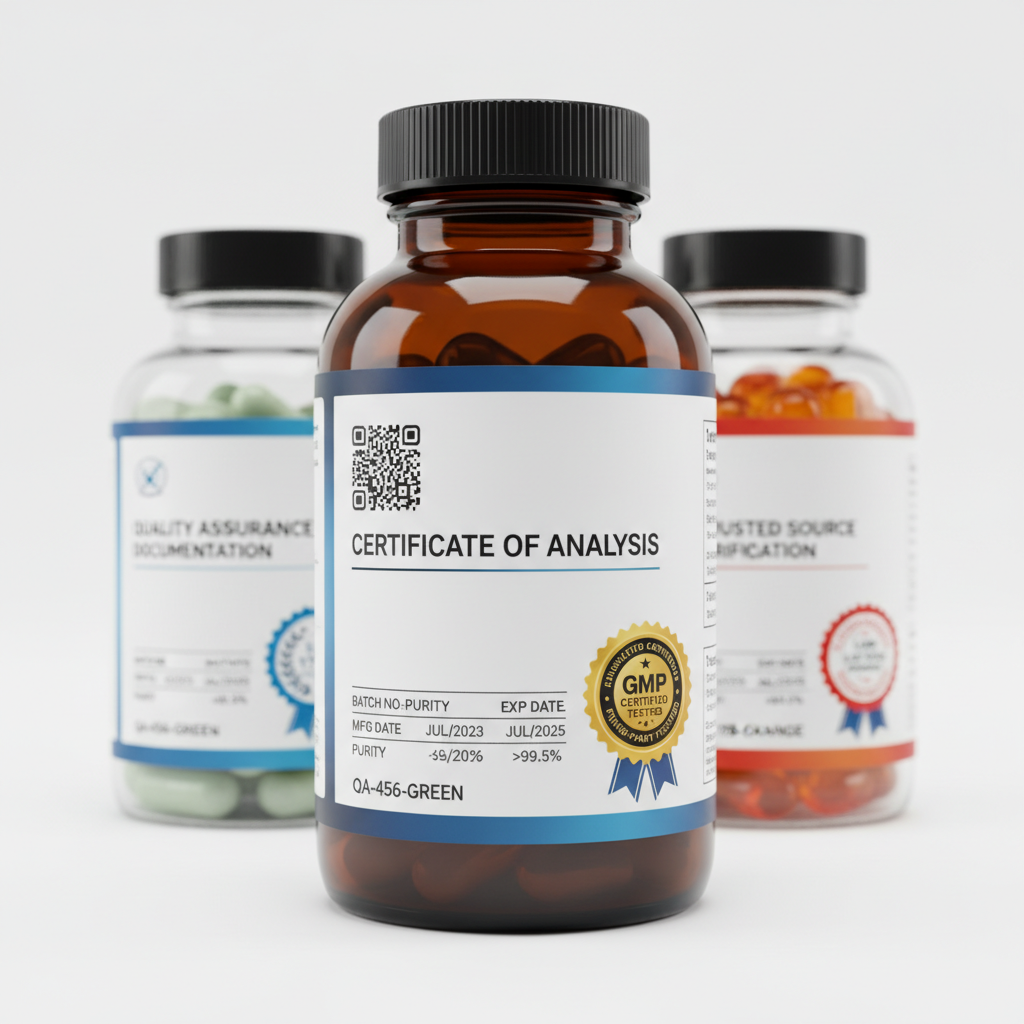
Success in retail distribution starts with a compliant, reliable supply chain. Retailers need assurance that you can consistently deliver products that meet regulatory requirements. This means maintaining comprehensive documentation, certificates of analysis, and full supply chain visibility from source to delivery. At NutraAeon, we’ve built our reputation on exceeding USP and FDA expectations through industry-leading testing protocols. This commitment to quality creates confidence with retail partners who know their customers demand safe, effective products.
A multi-channel approach strengthens your retail strategy. Rather than focusing exclusively on one store type, develop parallel relationships with specialty retailers, pharmacies, online platforms, and mass-market channels. This diversification reduces risk while demonstrating market viability to skeptical retailers who want proof of consumer demand.
SKU planning requires careful consideration. New manufacturers often launch with too many products, creating inventory complexity without proven demand. Start with a focused lineup of your strongest formulations—perhaps three to five products that address specific consumer needs. As sales data validates market interest, expand your range strategically based on retailer feedback and category performance.
Pricing must align with retailer expectations for their specific market segment. Premium specialty stores require different pricing structures than big-box retailers. Calculate wholesale prices that leave adequate margin for retailers while remaining competitive with alternative brands. Remember that retailers typically seek 40-50% margins on supplements, with specialty stores sometimes commanding higher margins for curated selections.
Product and Packaging Design Considerations
Your product’s physical presentation significantly influences retailer decisions. Packaging must protect product integrity throughout the distribution chain while creating shelf appeal. Bottles should be appropriately sized for typical inventory systems, with clearly visible labels that communicate key benefits at a glance. Retailers appreciate packaging that stacks efficiently and displays attractively.
Regulatory compliance extends beyond ingredient safety to labeling accuracy. Every claim on your packaging must have substantiation. Understanding FDA traceability requirements ensures your labeling meets federal standards. Supplement Facts panels must follow FDA formatting requirements precisely. Including batch codes and expiration dates helps retailers manage inventory rotation while providing traceability if questions arise.
Retailer-friendly materials simplify the selling process for store staff. Create one-page product sheets highlighting key benefits, target demographics, and competitive advantages. Provide comparison charts showing how your formulations differ from competing brands. Staff training materials help store employees confidently recommend your products to customers asking about specific health concerns.
Consider sustainability in packaging choices. Growing consumer awareness about environmental impact influences purchasing decisions. Retailers increasingly prefer brands using recyclable materials, minimal packaging, and sustainable sourcing practices. These considerations align with NutraAeon’s philosophy of transparency and responsible business practices.
Best Practices for Inventory and Fulfillment
Demand forecasting becomes critical once you secure retail distribution. Stockouts damage retailer relationships and forfeit sales opportunities, while excess inventory ties up capital and risks expiration. Start with conservative projections based on similar product categories, then adjust as actual sales data accumulates. Many successful manufacturers maintain 30-60 days of inventory for established products, with longer lead times for imported raw materials.
Fulfillment model selection depends on your operational capabilities and growth stage. Smaller manufacturers often begin with warehouse fulfillment, where they maintain inventory at a third-party facility that ships orders to retailers. This approach provides flexibility while minimizing upfront infrastructure investment. As volume grows, dedicated warehouse space and staff become economically viable.
Drop-ship arrangements work well for online retailers and specialty stores willing to accept longer delivery times. This model minimizes inventory risk but requires robust order management systems and reliable shipping partnerships. Retailers tolerate drop-shipping when products fill unique niches unavailable through traditional wholesale channels.
Batch tracking systems protect both manufacturers and retailers. When you can quickly identify which retail locations received specific production batches, you can efficiently manage recalls or quality issues. This capability demonstrates operational maturity that retailers value when selecting long-term suppliers.
Channel-Specific Tactics for Maximum Impact
Specialty stores prioritize product education and unique formulations. These retailers differentiate themselves by offering carefully curated selections with knowledgeable staff guidance. When approaching specialty stores, emphasize what makes your products distinctive—whether that’s unique ingredient combinations, superior bioavailability, or specialized applications. Offer comprehensive training materials and be available for staff education sessions.
Pharmacies value clinical validation and professional endorsements. These retailers serve health-conscious consumers who often consult pharmacists about supplement selections. Provide research summaries, clinical study references, and professional samples that pharmacists can evaluate. Consider developing specific formulations addressing common pharmaceutical customer concerns, such as nutrient depletions caused by common medications.
Online retailers focus on metrics like conversion rates, customer reviews, and repeat purchase rates. Provide high-quality product images, detailed descriptions, and comparison charts that help online shoppers make confident decisions. Consider offering special introductory pricing for online platforms to generate initial reviews and sales velocity that algorithms reward with improved visibility.
Mass-market channels require competitive pricing and proven consumer demand. Big-box retailers typically won’t consider new brands without evidence of market acceptance. Build this validation through specialty store success, online sales data, or regional distribution strategies before approaching national chains. When you do present to mass-market buyers, emphasize turnover rates, marketing support, and operational reliability.
Benefits of Private Label Programs
Private label partnerships accelerate shelf adoption because retailers directly benefit from your success. When stores develop their own branded supplements, they capture higher margins while building customer loyalty through exclusive products. For manufacturers, private label relationships often lead to larger, more predictable order volumes.
Shared marketing support creates mutual success. Retailers actively promote their private label brands through in-store displays, email campaigns, and loyalty programs. This promotional effort drives sales without requiring manufacturer marketing spend. The arrangement benefits both parties—retailers differentiate their stores while manufacturers gain production volume.
Product development becomes collaborative in successful private label relationships. Retailers share customer feedback and market insights that inform new formulation development. This partnership approach aligns with NutraAeon’s philosophy of empowerment through knowledge sharing. When manufacturers and retailers work together on innovation, resulting products better serve consumer needs.
Demand Planning and Data Collaboration
Effective demand planning requires open communication with retail partners. Request point-of-sale data that shows daily sales trends, seasonal patterns, and promotional impacts. This information helps you anticipate order timing and adjust production schedules accordingly. Many successful manufacturer-retailer partnerships include regular planning meetings where both parties review performance and forecast future needs.
Collaborative planning prevents common pitfalls like stockouts during promotional periods or excess inventory after seasonal peaks. When retailers share promotional calendars well in advance, manufacturers can build inventory reserves and secure raw material supplies. This proactive approach ensures product availability during high-demand periods.
Technology platforms increasingly facilitate data sharing between manufacturers and retailers. Vendor management systems allow automatic reordering when inventory reaches predetermined levels. Integration with these systems positions your brand as operationally sophisticated and easy to work with—qualities that retailers value when deciding which brands deserve expanded shelf space.
Structuring Promotions and Trade Spend
Promotional planning aligns with retailer calendars and consumer shopping patterns. Most supplement stores plan major promotions around New Year’s resolutions, spring wellness initiatives, and fall immune support campaigns. Coordinate your promotional offers with these predictable demand peaks to maximize impact.
Trade spend includes discounts, marketing allowances, and promotional support that manufacturers provide to retailers. While these investments reduce immediate margins, strategic trade spend drives velocity that justifies continued shelf space. Start conservatively with promotional funding, typically 5-10% of wholesale revenue, then adjust based on demonstrated ROI.
Demo events and sampling programs create consumer trial and drive initial purchases. Offering in-store demonstrations—whether in-person or through sampling displays—introduces your products to skeptical consumers. Success metrics from these initiatives provide valuable data for future promotional planning and help retailers understand which products merit expanded placement.
Quality, Risk, and Compliance Measures
Maintaining supplier qualifications protects both manufacturers and retailers from regulatory issues. Implement comprehensive quality management systems that document ingredient sourcing, manufacturing processes, and testing protocols. Many retailers now require third-party certifications like GMP (Good Manufacturing Practices) or NSF International verification before considering new brands. Learn more about FDA vendor qualification guidelines to ensure compliance.
Traceability systems ensure accountability throughout the supply chain. From raw material sourcing through finished product delivery, maintain records that allow complete batch tracking. When retailers ask about ingredient origins or manufacturing dates, immediate, accurate responses demonstrate operational excellence and build confidence.
Regulatory monitoring keeps you ahead of compliance requirements. FDA regulations, state-specific laws, and international standards continually evolve. Subscribe to regulatory updates, participate in industry associations, and consult compliance experts regularly. This proactive approach prevents costly reformulations or recalls that damage retailer relationships.
At NutraAeon, we view compliance not as a burden but as a competitive advantage. Our commitment to transparency and quality means every ingredient we provide comes with complete documentation and exceeds regulatory requirements. This philosophy should guide your entire operation, from ingredient selection through finished product delivery.
Economic Considerations and Profitability
Understanding typical margins helps you price products competitively while maintaining profitability. Most supplement retailers expect wholesale prices around 50-60% of suggested retail prices. This structure leaves room for retailers to run promotions while maintaining healthy margins. However, margin expectations vary by channel—specialty stores may accept lower markups for unique products, while big-box retailers demand aggressive pricing.
Cost management becomes critical as distribution expands. Raw material costs, manufacturing expenses, packaging, fulfillment, and trade spend all impact profitability. Many manufacturers discover that their first retail relationships generate minimal profit after accounting for all costs. View initial retail partnerships as market development investments that become profitable as volume scales and operational efficiency improves.
Channel profitability monitoring prevents resource misallocation. Track gross margins, operating expenses, and net profitability separately for each distribution channel. Some relationships may generate high revenue but deliver poor profitability after accounting for channel-specific costs. Regular financial analysis helps you identify which retail partnerships deserve expansion and which require restructuring.
Implementation Roadmap for Retail Success
Begin with channel targeting based on your products’ positioning and capabilities. If you manufacture premium formulations with unique ingredients, start with specialty stores that appreciate innovation. If you offer value-oriented products with broad appeal, explore partnerships with regional chains or online retailers first.
Develop professional presentation materials including line sheets, product samples, regulatory documentation, and business references. First impressions matter significantly in retail sales. Polished, comprehensive materials demonstrate professionalism and operational readiness.
Initiate conversations with target retailers through trade shows, industry events, or direct outreach. Many supplement stores attend events like Natural Products Expo West or SupplySide West specifically to discover new brands. These venues provide efficient access to multiple potential retail partners.
Pilot programs reduce risk for hesitant retailers. Offer limited SKU sets or trial periods that allow stores to test market response without major commitments. Successful pilots typically lead to expanded distribution as retailers gain confidence in your products’ performance.
Scale operations systematically as distribution expands. Adding retail partners strains fulfillment capabilities, customer service capacity, and working capital. Grow at a pace your organization can support while maintaining quality and service levels that built initial success.
Measure performance through metrics that matter to retail partners. Track sell-through rates, inventory turns, customer reviews, and repeat purchase rates. Share these metrics with retailers to demonstrate your commitment to mutual success and justify requests for expanded shelf space.
Common Pitfalls and How to Avoid Them
Many manufacturers underprice their products initially, making it difficult to fund the marketing support and trade spend retailers expect. Calculate true costs including all operational expenses before setting wholesale prices. Building margin cushions into initial pricing proves easier than raising prices after distribution launches.
Overextending distribution too quickly strains operational capabilities and dilutes marketing effectiveness. Focus on building strong relationships with initial retail partners before expanding aggressively. Understanding relationship-first distribution strategies can dramatically improve partnership success. Success stories from existing retailers become powerful sales tools when approaching new accounts.
Neglecting retailer communication damages partnerships. Regular contact—even when retailers don’t need to place orders—maintains relationships and provides opportunities to address concerns before they become problems. Monthly check-ins, quarterly business reviews, and prompt responses to inquiries demonstrate your commitment to partnership success.
Emerging Trends Shaping Retail Distribution
Private-label brands continue gaining market share as retailers recognize the profitability and differentiation these products provide. For manufacturers, this trend creates opportunities to build substantial production volumes through retail partnerships rather than competing on brand recognition alone.
Contract manufacturing relationships increasingly involve strategic partnerships where retailers and manufacturers collaborate on product development, quality systems, and market insights. This evolution from transactional to collaborative relationships benefits both parties and aligns with NutraAeon’s philosophy of empowerment through shared knowledge.
Sustainability-focused packaging influences retailer selection decisions as consumers demand environmentally responsible products. Brands demonstrating commitment to sustainable practices gain preference with retailers serving eco-conscious consumers. This trend extends beyond packaging to ingredient sourcing, manufacturing processes, and corporate social responsibility initiatives.
Conclusion: Building Retail Success on Solid Foundations
Winning shelf space at supplement stores near me—or anywhere—requires more than great products. It demands understanding retailer perspectives, building operational excellence, and committing to partnership success. The manufacturers who thrive in retail distribution share common characteristics: unwavering quality standards, complete transparency in operations, and dedication to empowering retail partners with knowledge and support.
At NutraAeon, these principles guide everything we do. Whether providing high-purity amino acids like L-Theanine and L-Tryptophan, comprehensive vitamin offerings, or premium mineral compounds, we maintain industry-leading testing protocols and rigorous quality control. We offer complete documentation and full supply chain visibility because transparency builds trust. We empower our partners with technical expertise and regulatory guidance because their success is our success.
For manufacturers seeking retail distribution, remember that shelf space isn’t won through aggressive sales tactics or unsustainable pricing. Ready to discuss your ingredient sourcing needs? Contact our team for personalized recommendations. It’s earned through consistent quality, reliable operations, and genuine commitment to retailer success. Build your strategy on these foundations, and you’ll create retail partnerships that grow stronger over time—benefiting your business, your retail partners, and the health-conscious consumers you both serve.