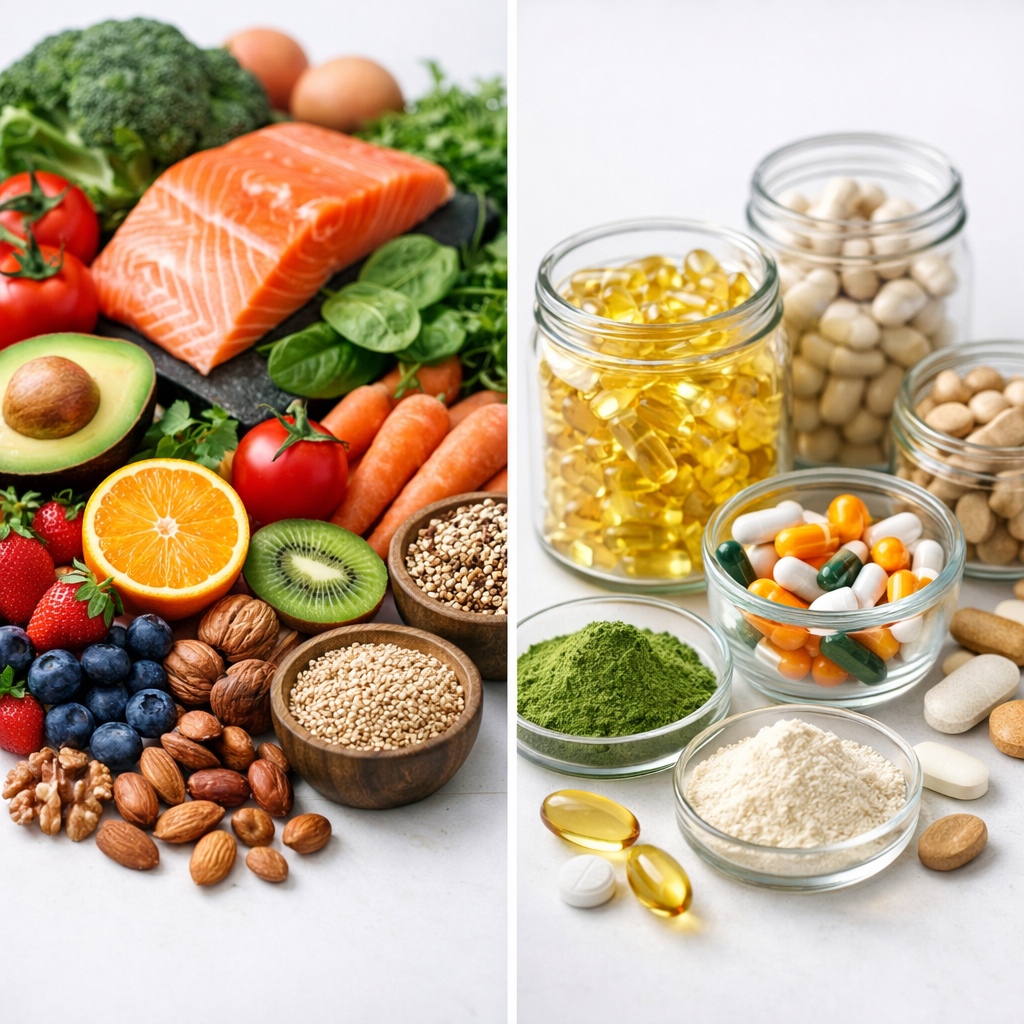
Walk through any grocery store today, and you’ll notice something remarkable. The simple yogurt cup now promises to support your immune system. Your morning energy bar claims to enhance mental clarity. Even your daily tea offers heart health benefits. This transformation represents more than clever marketing—it reflects a fundamental shift in how we think about food.
Functional foods bridge the gap between nutrition and wellness by delivering health benefits that extend far beyond basic sustenance. Unlike conventional foods that simply provide calories, protein, and vitamins, functional foods contain specific bioactive compounds designed to support targeted health outcomes. These ingredients work at the cellular level, influencing everything from gut microbiota composition to cardiovascular function.
The science behind functional foods centers on three key categories of bioactive ingredients. Dietary fibers, particularly prebiotics like inulin and resistant starch, serve as fuel for beneficial gut bacteria. Probiotics—live microorganisms such as Lactobacillus and Bifidobacterium strains—directly colonize the digestive tract to support immune function and nutrient absorption. Omega-3 fatty acids from sources like algae and fish oil provide anti-inflammatory benefits that protect heart and brain health.
But functional foods extend far beyond these well-known examples. Polyphenols from green tea and berries offer powerful antioxidant protection. Amino acids like L-Theanine promote mental calmness without sedation. Specific vitamins in enhanced formulations—such as multiple forms of Vitamin C for optimal absorption—support immune resilience and collagen production. Each bioactive ingredient represents years of scientific research validating its role in human health.
The transformation of everyday products into functional foods requires understanding these components at a molecular level. When manufacturers select premium-quality bioactive ingredients and formulate them correctly, ordinary snacks and beverages become vehicles for meaningful health improvement. This approach empowers consumers to take control of their wellness through daily food choices rather than relying solely on pharmaceutical interventions.

Strategic Ingredient Applications: Targeting Specific Health Outcomes
The real magic of functional foods happens in formulation—the careful selection and combination of bioactive ingredients to address specific health concerns. Modern consumers face distinct wellness challenges, from chronic stress and poor sleep to metabolic dysfunction and premature aging. Forward-thinking manufacturers now develop products that target these concerns through strategic ingredient applications.
Gut Health and Digestive Wellness
The gut microbiome has emerged as central to overall health, influencing everything from immunity to mood regulation. Probiotic-enriched yogurts represent perhaps the most successful functional food category, with specific strains like Lactobacillus rhamnosus GG and Bifidobacterium lactis BB-12 showing clinically validated benefits for digestive regularity and immune support. But yogurt is just the beginning.
Fermented foods like kefir, kombucha, and traditionally prepared kimchi introduce diverse microbial populations that support gut biodiversity. Meanwhile, prebiotic fibers in energy bars and breakfast cereals—including inulin from chicory root and resistant starch from green bananas—provide the fuel these beneficial bacteria need to thrive. The synergistic effect of combining probiotics with prebiotics, creating what researchers call “synbiotics,” offers even more robust support for digestive health.
Recent research confirms that polyphenols from sources like green tea and berries also influence gut microbiota composition. These compounds selectively promote beneficial bacteria while inhibiting pathogenic species, creating a more balanced intestinal environment. When manufacturers include polyphenol-rich ingredients alongside probiotics, they create products with enhanced functionality.
Cardiometabolic Support
Cardiovascular disease remains a leading health concern globally, driving demand for functional foods that support heart health and metabolic function. Omega-3 fatty acids—particularly EPA and DHA—have demonstrated clear benefits for maintaining healthy triglyceride levels and supporting overall cardiovascular function. Forward-thinking manufacturers now incorporate plant-based omega-3s from algae into dairy alternatives, protein bars, and even baked goods.
Soluble fibers like beta-glucan from oats play a crucial role in cardiometabolic health by supporting healthy cholesterol levels already within normal range. When consumed regularly, beta-glucan forms a gel-like substance in the digestive tract that can help reduce cholesterol absorption. This explains why oatmeal and oat-based products have earned specific health claims in multiple regulatory jurisdictions.
Amino acids contribute to metabolic health through distinct mechanisms. L-Arginine serves as a precursor to nitric oxide, supporting healthy blood vessel function. Glycine aids in glucose metabolism and may support healthy blood sugar levels. By combining these amino acids with complementary ingredients like chromium and alpha-lipoic acid, manufacturers create comprehensive metabolic support formulations in convenient formats like protein shakes and nutrition bars.
Cognitive Function and Mental Wellness
The connection between nutrition and brain health has never been more recognized. L-Theanine, an amino acid found naturally in tea leaves, provides a compelling example of how bioactive compounds support cognitive wellness. This ingredient promotes alpha brain wave activity associated with calm alertness—reducing perceived stress without causing drowsiness. When combined with moderate caffeine, L-Theanine creates a state of focused relaxation perfect for productivity.
B-vitamins play essential roles in neurotransmitter synthesis and energy metabolism within brain cells. Deficiencies in vitamins B6, B9 (folate), and B12 correlate with cognitive decline and mood disturbances. Functional beverages and fortified foods that deliver these vitamins in bioavailable forms—such as methylcobalamin (active B12) and methylfolate—provide targeted support for mental clarity and emotional balance.
Omega-3 fatty acids, particularly DHA, constitute a major structural component of brain tissue. Regular intake supports cognitive function across the lifespan, from fetal brain development to maintenance of memory and learning in older adults. Manufacturers who incorporate quality omega-3 sources into snack bars, dairy products, and beverages position their products at the intersection of convenience and cognitive support.
Skin Health and Appearance
Beauty from within represents a growing functional food category, as consumers recognize that skin health reflects internal nutritional status. Collagen peptides have gained significant attention for their ability to support skin elasticity and hydration when consumed regularly. These hydrolyzed proteins provide specific amino acids—particularly glycine, proline, and hydroxyproline—that serve as building blocks for dermal collagen synthesis.
Vitamin C stands out as essential for collagen production, while also providing antioxidant protection against environmental stressors that accelerate skin aging. Advanced formulations use multiple forms of vitamin C, including ascorbic acid for immediate bioavailability and vitamin C palmitate for enhanced stability in product matrices. This multi-form approach ensures consistent delivery of this crucial nutrient.
Antioxidants from various sources—including vitamin E tocopherols, polyphenols from green tea, and carotenoids like astaxanthin—protect skin cells from oxidative damage caused by UV exposure and pollution. When manufacturers incorporate these compounds into functional beverages, protein powders, and snack products, they enable consumers to support skin health through daily dietary choices rather than relying exclusively on topical applications.

Overcoming Formulation Challenges: From Laboratory to Consumer Product
Creating effective functional foods involves far more than adding beneficial ingredients to existing products. Product developers face significant technical challenges that require sophisticated solutions. These challenges span ingredient stability, sensory properties, bioavailability, and ingredient interactions—each capable of determining whether a product succeeds or fails in the marketplace.
Stability and Delivery Systems
Many bioactive compounds are inherently unstable, degrading rapidly when exposed to heat, light, oxygen, or moisture. Probiotics present particular challenges, as these live organisms must survive manufacturing processes, storage conditions, and the acidic stomach environment to deliver benefits. Advanced encapsulation technologies—using materials like alginate, chitosan, or specially designed polysaccharides—protect probiotics from hostile environments while enabling controlled release in the intestinal tract.
Omega-3 fatty acids pose different stability concerns due to their susceptibility to oxidation. Rancid omega-3s not only smell and taste unpleasant but may also generate harmful compounds. Quality manufacturers employ several protective strategies: using natural antioxidants like mixed tocopherols (vitamin E), minimizing oxygen exposure during processing, and utilizing microencapsulation to create a physical barrier around lipid droplets. These approaches maintain freshness while preventing the fishy off-flavors that have plagued earlier omega-3 fortified products.
Fat-soluble vitamins like vitamin E and vitamin A require emulsification systems to disperse uniformly in water-based products like beverages and yogurts. Without proper emulsification, these vitamins separate, creating quality inconsistencies and reducing bioavailability. Modern delivery systems use food-grade emulsifiers and homogenization techniques to create stable dispersions that remain uniform throughout product shelf life.
Flavor Masking and Sensory Optimization
Even the most scientifically validated ingredients will fail if they create unpleasant sensory experiences. Many bioactive compounds possess challenging flavors—bitter notes from polyphenols, metallic tastes from minerals, earthy flavors from certain probiotics, or fishy off-notes from omega-3s. Successful functional food formulation requires sophisticated flavor masking techniques that maintain palatability without compromising ingredient efficacy.
Natural flavor systems can effectively mask undesirable tastes when properly designed. Vanilla, chocolate, and fruit flavors work particularly well for masking bitterness in protein bars and shakes. Citrus flavors complement many vitamin formulations while providing their own polyphenol content. Strategic use of sweeteners—both caloric and non-caloric—helps balance bitter or metallic notes, though manufacturers must consider label claims and consumer preferences for clean-label ingredients.
Texture modifications also influence consumer acceptance. The addition of proteins, fibers, and minerals can alter product texture in unwanted ways, creating grittiness, chalkiness, or excessive thickness. Texture-modifying agents like gums, starches, and specific protein types help maintain the smooth, pleasant mouthfeel consumers expect. The goal is creating products where the health benefits are invisible—where consumers enjoy the eating experience first and appreciate the functional benefits second.
Bioavailability Enhancement
Adding beneficial ingredients to food products means nothing if those compounds aren’t absorbed and utilized by the body. Bioavailability—the proportion of an ingredient that enters circulation and reaches its target tissues—varies dramatically based on ingredient form, food matrix composition, and the presence of absorption enhancers or inhibitors.
Consider calcium, an essential mineral often added to fortified foods. Calcium carbonate costs less but has relatively poor bioavailability, especially when consumed without food. Calcium citrate and calcium amino acid chelates offer superior absorption characteristics, making them preferable for functional food applications despite higher costs. Quality-focused manufacturers prioritize bioavailable forms to ensure their products deliver on their promises.
Fat-soluble nutrients like vitamins A, D, E, and K require dietary fat for optimal absorption. When these vitamins are added to low-fat products, bioavailability suffers. Smart formulation includes small amounts of healthy fats—perhaps from nuts, seeds, or medium-chain triglycerides—to facilitate absorption. Alternatively, water-dispersible forms of these vitamins, created through advanced emulsification technologies, improve absorption even in low-fat matrices.
Amino acids demonstrate excellent bioavailability when provided as free-form compounds rather than bound within protein structures requiring extensive digestion. This explains why products targeting specific effects—like L-Theanine for stress relief or L-Tryptophan for sleep support—typically use isolated amino acids rather than relying on protein-rich ingredients. This approach ensures consistent, predictable delivery of the active compound.
Managing Ingredient Interactions
Combining multiple bioactive ingredients in a single product creates potential for both beneficial synergies and problematic antagonisms. Certain nutrients compete for absorption—iron and calcium interfere with each other, as do calcium and magnesium at high doses. Wise formulation separates competing nutrients or includes them at levels where interaction remains minimal.
Conversely, some ingredient combinations enhance overall functionality. Vitamin C significantly improves iron absorption from plant sources, making it a valuable addition to fortified cereals and plant-based protein products. Vitamin E and selenium work synergistically as antioxidants, providing greater protection together than separately. B-vitamins often work best as a complex since they participate in interconnected metabolic pathways.
The food matrix itself influences bioactive ingredient stability and function. Proteins can bind polyphenols, reducing their antioxidant activity. High levels of phytic acid in whole grains may reduce mineral bioavailability. Conversely, fermentation processes can enhance bioavailability by breaking down anti-nutritional factors and producing beneficial metabolites. Understanding these complex interactions separates sophisticated functional food developers from those simply adding ingredients to hit marketing claims.
Navigating Regulatory Landscapes: Ensuring Compliance Across Markets
The regulatory environment for functional foods varies significantly across global markets, creating complexity for manufacturers seeking international distribution. Unlike pharmaceutical products with standardized approval pathways, functional foods inhabit a gray zone between conventional foods and therapeutic agents. Understanding regional requirements is essential for making appropriate product claims and avoiding costly regulatory violations.
Health Claims and Substantiation Requirements
In the United States, the FDA permits several categories of claims on food products, each with distinct substantiation requirements. Structure-function claims describe how a nutrient or ingredient affects normal body structure or function without mentioning disease. These claims require manufacturer substantiation but not FDA pre-approval, though the FDA reserves the right to challenge unsupported claims. An example might be “supports immune function” or “promotes digestive health.”
Qualified health claims represent a middle ground, acknowledging that evidence supports a relationship between a food component and disease risk reduction, though the evidence isn’t conclusive. These claims require FDA review and must include qualifying language about the strength of scientific evidence. An example is the qualified claim for omega-3 fatty acids and reduced risk of coronary heart disease.
Authorized health claims meet the highest standard, with significant scientific agreement supporting the relationship between the ingredient and disease prevention. Examples include claims for soluble fiber from oats reducing heart disease risk or calcium and vitamin D reducing osteoporosis risk. These claims undergo rigorous FDA evaluation before authorization.
The European Union employs a pre-approved list of authorized health claims through the European Food Safety Authority (EFSA). Only claims that have passed EFSA’s scientific evaluation may be used, creating a more restrictive but clearer regulatory framework. This system provides certainty—manufacturers know exactly which claims are permissible—but it also limits the ability to make novel claims for emerging ingredients or health relationships.
Novel Food Regulations
Ingredients without a significant history of safe use in the food supply may be classified as novel foods, requiring special authorization before market introduction. This particularly affects innovative functional food ingredients sourced from new botanical sources, produced through new processes, or derived from engineered microorganisms.
The European Union’s novel food regulation requires pre-market authorization through EFSA, evaluating safety and potential allergenicity before an ingredient can be used in foods sold throughout the EU. This process is expensive and time-consuming but creates a clear pathway for introducing innovative ingredients once approved.
In the United States, the GRAS (Generally Recognized as Safe) system allows manufacturers to self-affirm an ingredient’s safety based on scientific evidence and expert consensus, or to pursue voluntary FDA GRAS notification. While faster than formal food additive petitions, GRAS determination still requires comprehensive safety documentation and scientific rationale.
Label Requirements and Transparency
Modern consumers demand transparency about what they’re consuming, driving regulatory evolution toward more detailed labeling. Nutrition facts panels must accurately reflect all added vitamins, minerals, and other nutrients. Ingredient lists must clearly identify all components, listed in descending order by weight. Allergen declarations must flag major allergens even when present in trace amounts from processing or shared equipment.
For functional foods containing probiotics, manufacturers must specify genus, species, and strain designation—simply listing “probiotics” is insufficient. The quantity of viable organisms at end of shelf life, not just at manufacture, represents the honest disclosure consumers deserve. Quality manufacturers invest in stability testing to ensure labeled probiotic counts remain accurate throughout product life.
Organic claims, non-GMO certification, and other voluntary quality declarations carry their own regulatory requirements through certifying bodies. While adding complexity and cost, these certifications differentiate premium products in crowded markets, particularly for consumers prioritizing ingredient sourcing and production methods.
International Harmonization and Practical Strategies
Manufacturers pursuing global distribution face the challenge of complying with multiple, sometimes contradictory regulatory frameworks. Practical strategies include formulating products to meet the most stringent applicable requirements, ensuring compliance across all target markets. Working with regulatory consultants familiar with specific regions prevents costly mistakes and delays.
Maintaining comprehensive documentation is essential—certificates of analysis for all ingredients, stability data, safety assessments, and clinical evidence supporting claimed benefits. These materials prove invaluable during regulatory review or if authorities question product claims. At NutraAeon, we recognize that quality documentation and transparent sourcing create the foundation for regulatory confidence, which is why we provide complete certificates of analysis and supply chain visibility for every ingredient we deliver.
Market Opportunities and the Future of Functional Foods
The functional foods market represents one of the fastest-growing segments in the global food industry, driven by aging populations, rising healthcare costs, and consumers’ desire to take proactive control of their wellness. Data indicates the global functional food market will continue expanding rapidly, with projections showing substantial growth through the end of this decade and beyond. This growth creates exceptional opportunities for forward-thinking manufacturers willing to invest in quality ingredients, scientific validation, and innovative formulation.
Consumer trends point toward several high-potential categories. Plant-based functional foods appeal to flexitarians and vegans while addressing environmental sustainability concerns. Products supporting cognitive function and stress reduction resonate with productivity-focused professionals. Functional snacks that deliver both convenience and health benefits align with busy modern lifestyles. Products targeting specific life stages—from children’s cognitive development to healthy aging—create natural market segmentation opportunities.
The key to success in this competitive landscape lies in authentic commitment to quality and efficacy. Consumers increasingly see through superficial “health halo” marketing, demanding products with substantiated benefits and transparent ingredient sourcing. Products formulated with premium-quality bioactive ingredients in efficacious doses, backed by scientific evidence, command consumer trust and brand loyalty.
Innovation opportunities abound for manufacturers willing to think beyond conventional categories. Functional baked goods incorporating fiber, protein, and omega-3s transform indulgent treats into nutritious snacks. Beverages combining adaptogens, amino acids, and vitamins create sophisticated alternatives to simple energy drinks. Even condiments and seasonings can become functional when enhanced with probiotics, herbs, or bioavailable minerals.
For supplement manufacturers and product developers entering or expanding in the functional foods space, ingredient selection represents the critical foundation. Quality ingredients that are properly sourced, tested, and documented enable products that genuinely deliver on their promises. At NutraAeon, our comprehensive portfolio of amino acids, vitamins, and minerals supports innovative formulations across functional food categories. Our rigorous quality standards—exceeding USP and FDA expectations—ensure that every ingredient meets the demanding requirements of manufacturers creating products for health-conscious consumers.
Our approach centers on empowerment through expertise. We don’t simply supply ingredients; we provide technical guidance on formulation strategies, regulatory considerations, and market positioning. Our commitment to transparency means complete documentation, certificates of analysis, and full supply chain visibility from source to delivery. This enables our partners to formulate with confidence, knowing their ingredients meet the highest quality standards.
The transformation of everyday products into health solutions through functional food innovation represents more than a market trend—it reflects a fundamental evolution in how we approach nutrition and wellness. As research continues revealing connections between specific nutrients and health outcomes, opportunities will multiply for manufacturers creating products that taste great while delivering meaningful benefits.
The functional foods that succeed will be those built on a foundation of quality ingredients, sound science, and authentic commitment to consumer wellness. Whether you’re reformulating existing products to incorporate functional ingredients or developing entirely new categories, partnering with a trusted ingredient supplier committed to your success makes all the difference. The future of functional foods is bright for those who prioritize excellence, transparency, and innovation—transforming ordinary eating occasions into opportunities for extraordinary health.