Vitamin E stands as one of the most essential nutrients in modern nutrition, quietly protecting our bodies from cellular damage every single day. As a fat-soluble vitamin and powerful antioxidant, it shields cell membranes and lipoproteins from the destructive effects of peroxidation—a process that can accelerate aging and contribute to chronic disease. What many people don’t realize is that the vitamin E foods we consume, from wheat germ oil to sunflower seeds, form the foundation of a sophisticated supplement industry dedicated to delivering concentrated nutritional benefits. Understanding how these natural sources transform into the softgels and capsules lining pharmacy shelves reveals a fascinating journey of science, innovation, and commitment to human health.
The Natural Advantage: Why Vitamin E Form Matters
Not all vitamin E is created equal. The distinction between natural and synthetic forms goes far beyond marketing claims—it fundamentally affects how our bodies recognize, absorb, and utilize this critical nutrient. Natural vitamin E, scientifically known as RRR-alpha-tocopherol (or d-alpha-tocopherol), exists as a single stereoisomer that our bodies evolved to recognize and preferentially retain. This natural form demonstrates superior bioactivity, with studies showing it’s retained in tissues approximately twice as long as its synthetic counterpart.
Synthetic vitamin E, labeled as dl-alpha-tocopherol, contains eight different stereoisomers, only one of which matches the natural form. While the body can absorb synthetic vitamin E, it preferentially selects and retains the natural form while metabolizing and eliminating the other seven isomers more rapidly. This biological preference isn’t arbitrary—it reflects millions of years of evolution during which humans consumed vitamin E exclusively from food sources.
For supplement manufacturers, these differences carry significant regulatory and quality implications. The FDA and USP recognize these bioavailability differences, requiring different dosage calculations for natural versus synthetic forms. NutraAeon recognizes that today’s informed consumers increasingly seek natural vitamin E sources, and we’ve built our sourcing philosophy around delivering premium natural tocopherols that meet the highest standards of purity and potency. Our commitment to transparency means providing complete documentation about vitamin E sources and forms, empowering manufacturers to create products that truly serve their customers’ health goals.
From Nature’s Pantry: The Rich World of Vitamin E Foods
The journey from vitamin E foods to finished supplements begins in agricultural fields around the world. Wheat germ oil stands as nature’s most concentrated source, containing up to 300 mg of vitamin E per 100 grams—more than any other naturally occurring food. This tiny embryo of the wheat kernel, often discarded during flour processing, harbors an extraordinary nutritional treasure that supplement manufacturers have learned to capture and concentrate.
Palm oil, particularly the red variety, offers another exceptional source of natural vitamin E, containing not just alpha-tocopherol but a full spectrum of tocopherols and tocotrienols—eight related compounds that comprise the complete vitamin E family. This diversity matters because emerging research suggests that the various forms of vitamin E work synergistically, offering broader antioxidant protection than any single form alone.
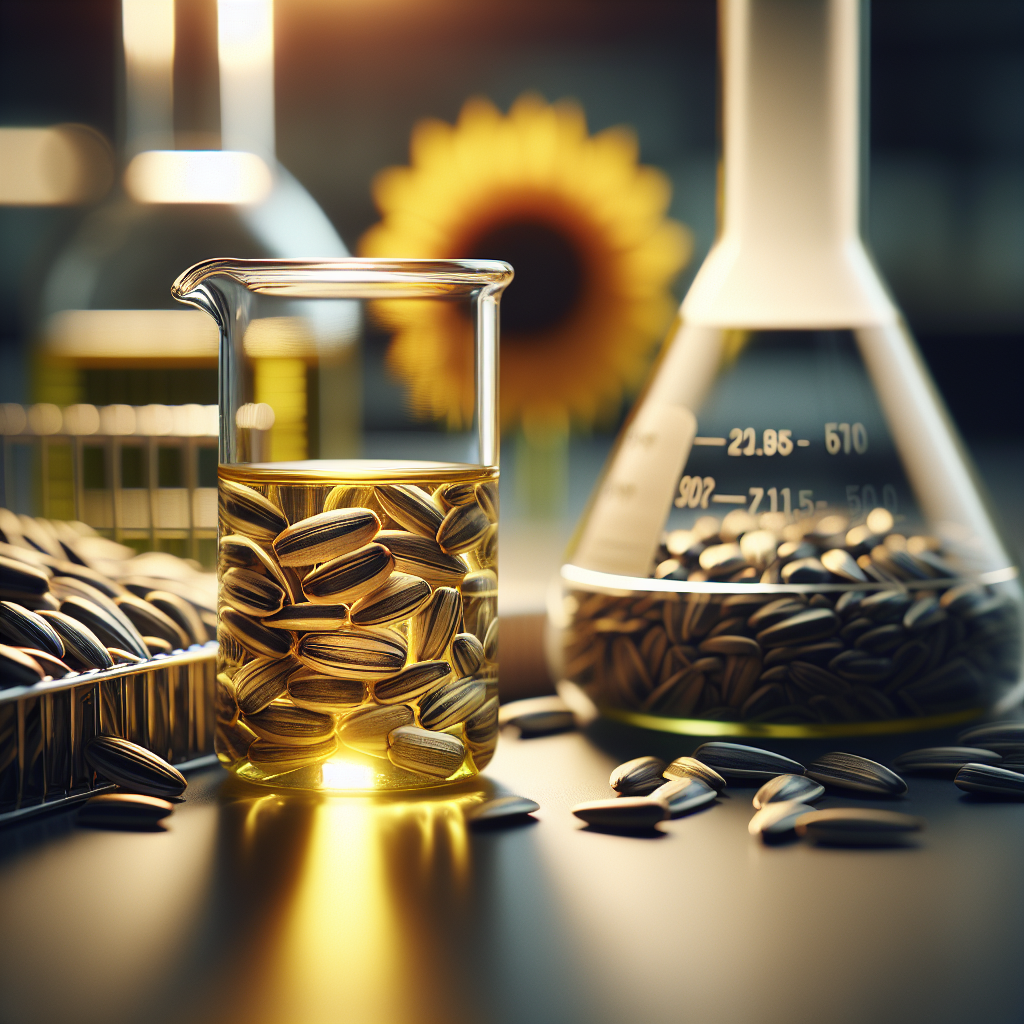
Sunflower seeds, almonds, and hazelnuts provide additional natural sources, each with unique tocopherol profiles. The challenge lies in efficiently extracting these valuable compounds while preserving their delicate molecular structures and avoiding oxidation that can compromise their biological activity.
Modern extraction methods have evolved dramatically, moving away from harsh chemical processes toward more sustainable approaches in raw material processing. NutraAeon partners with suppliers who employ green extraction technologies that use minimal solvents, lower temperatures, and shorter processing times to preserve vitamin E integrity. Supercritical carbon dioxide extraction, for instance, uses CO2 in a special state between liquid and gas to gently extract vitamin E without leaving chemical residues or degrading the nutrient through excessive heat.
Enzyme-assisted extraction represents another innovative approach, using specific enzymes to break down plant cell walls and release vitamin E more efficiently. These biological catalysts work under mild conditions, preserving the natural form and full biological activity of the extracted tocopherols. Such sustainable extraction methods don’t just benefit the environment—they consistently produce superior oil quality compared to conventional hexane processing, resulting in ingredients that manufacturers can confidently formulate into effective supplements.
The Manufacturing Journey: From Raw Material to Refined Ingredient
Once extracted from vitamin E foods, the raw material undergoes a sophisticated refinement process that transforms it into supplement-grade ingredients. This journey involves multiple precise steps, each carefully controlled to maintain potency and purity.
Molecular distillation, also known as short-path distillation, separates vitamin E from other components in the extracted oil. This technique operates under vacuum conditions at relatively low temperatures, minimizing thermal degradation. The short residence time—often just seconds—ensures that the delicate tocopherol molecules don’t break down or oxidize during processing. The result is a highly concentrated vitamin E extract, typically reaching purities of 70% or higher through advanced testing methods.
For certain formulation needs, manufacturers perform esterification, converting natural tocopherols into tocopheryl acetate or other ester forms. This chemical modification adds an acetate group that protects the vitamin E molecule from oxidation, significantly extending shelf life. While esterification requires an enzymatic conversion step in the body before the vitamin E becomes biologically active, the trade-off in stability often justifies this approach for supplements intended for long-term storage or use in challenging formulation environments.
The blending stage allows manufacturers to create specific tocopherol profiles tailored to different health applications. Some formulations emphasize alpha-tocopherol for its predominant biological activity, while others incorporate mixed tocopherols or add tocotrienols to provide broader antioxidant coverage. NutraAeon’s technical expertise helps manufacturers navigate these formulation decisions, considering factors like target demographics, health claims, competitive positioning, and regulatory requirements across different markets.
Formulation types vary significantly based on the intended delivery method. Softgel capsules remain the most popular format for vitamin E supplements, offering several advantages: they protect the oil-soluble vitamin from oxidation, mask any unpleasant taste, and provide precise dosing. The gelatin or vegetarian shell encapsulates vitamin E in an oil matrix, typically soybean oil or medium-chain triglycerides, which enhances absorption since vitamin E requires dietary fat for optimal uptake.
Microencapsulation techniques represent cutting-edge formulation technology, particularly for products where vitamin E needs protection from harsh processing conditions or when manufacturers want to incorporate it into water-based formats. This process surrounds individual vitamin E molecules or droplets with a protective coating, often using materials like modified starches, gums, or proteins. Spray-drying produces fine powders that remain stable, can be compressed into tablets, or added to beverages and functional foods.
Stability Challenges: Protecting Precious Molecules
Vitamin E’s powerful antioxidant properties, ironically, make it vulnerable to oxidation. Left unprotected, tocopherols can degrade when exposed to oxygen, light, heat, and moisture—the very environmental factors they’re designed to neutralize in our bodies. This paradox presents supplement manufacturers with significant stability challenges that require sophisticated solutions.
Oxidative degradation doesn’t just reduce potency—it can create unpleasant odors and potentially harmful degradation products. A supplement that starts with 400 IU of vitamin E might contain significantly less after several months of storage if not properly stabilized. For manufacturers, this means disappointed customers and potential regulatory issues if products fall below label claims before their expiration dates.
Stabilization strategies begin during formulation. Combining vitamin E with synergistic antioxidants like vitamin C, rosemary extract, or mixed tocopherols provides mutual protection, with different antioxidants working together to neutralize various types of free radicals. Esterifying natural tocopherols into acetate forms provides the chemical stability previously mentioned, though this approach involves the trade-off of requiring in-vivo conversion.
Packaging considerations prove equally critical. Amber or opaque bottles block light-induced degradation, while nitrogen flushing during bottling displaces oxygen that could trigger oxidation. Moisture barriers prevent humidity from compromising stability, particularly important in softgel formulations where excess moisture can affect both the vitamin E filling and the gelatin shell.
Blister packaging offers even greater protection for individual doses, creating multiple barriers against environmental factors. Though more expensive than bulk bottling, this approach makes sense for premium products or markets with challenging storage conditions. NutraAeon helps manufacturers evaluate cost-benefit considerations for different packaging approaches, ensuring consistent potency through rigorous stability testing without unnecessarily inflating production costs.
Enhancing Absorption: Making Vitamin E Work Harder
Even the purest vitamin E provides limited value if the body can’t effectively absorb it. As a fat-soluble nutrient, vitamin E requires dietary fat for absorption, but various bioavailability enhancement strategies can significantly improve uptake beyond simply combining it with oil.
Emulsification technology breaks vitamin E into microscopic droplets suspended in water-based solutions, dramatically increasing the surface area available for absorption. This approach particularly benefits individuals with fat malabsorption issues or those taking supplements on an empty stomach. Self-emulsifying delivery systems take this concept further, using specific lipids and surfactants that spontaneously form emulsions when they contact digestive fluids.
Liposomal encapsulation represents one of the most sophisticated bioavailability enhancement approaches. This technique wraps vitamin E in tiny spheres made from phospholipids—the same molecules that form cell membranes throughout the body. These liposomes can merge directly with intestinal cell membranes, delivering their vitamin E cargo with remarkable efficiency. Studies show that liposomal vitamin E can achieve blood levels substantially higher than conventional formulations at equivalent doses.
Nanoparticle technology pushes enhancement even further by reducing vitamin E to particles measuring just 20-200 nanometers. At this scale, the particles can pass directly through intestinal membranes without requiring the normal digestive processes that limit conventional vitamin E absorption. While still emerging in the supplement market, nanoparticle formulations show tremendous promise for maximizing bioavailability.
These enhancement technologies align perfectly with NutraAeon’s empowerment philosophy. We don’t just supply ingredients—we provide technical expertise that helps manufacturers understand which approaches best serve their formulation goals and target audiences. Whether a client needs a basic softgel formulation or cutting-edge liposomal technology, our team offers guidance grounded in both scientific evidence and market realities. This collaborative approach empowers forward-thinking manufacturers to create products that deliver genuine health benefits rather than just impressive label claims.
Quality Control: The Foundation of Consumer Trust
In an industry where consumers can’t directly verify product quality, rigorous analytical testing and quality control become the foundation of trust. The stakes are high—inadequate quality systems not only risk regulatory action but can genuinely harm people if contaminants enter the supply chain or if products contain incorrect doses.
Advanced analytical techniques provide the tools for comprehensive quality verification. High-performance liquid chromatography (HPLC) precisely quantifies vitamin E content and confirms the presence of claimed tocopherol forms. This technique can distinguish between natural and synthetic vitamin E, detect oxidation products, and verify label accuracy to within a few percentage points.
Mass spectrometry adds another layer of verification, identifying molecular structures with extreme precision. When coupled with chromatography techniques, it can detect contaminants at parts-per-billion levels—critical for ensuring products meet strict heavy metal limits and remain free from environmental pollutants that might have contaminated raw materials.
Stability testing under accelerated conditions predicts how products will perform throughout their intended shelf life. By exposing samples to elevated temperatures and humidity, quality laboratories can simulate months or years of normal storage in just weeks, identifying potential stability issues before products reach consumers.
NutraAeon maintains quality standards that exceed basic USP and FDA expectations because we recognize that exceptional quality provides manufacturers with competitive advantages. Our rigorous testing protocols examine every ingredient batch, and our comprehensive documentation provides complete supply chain visibility from source to delivery. Certificates of analysis accompany every shipment, detailing exactly what manufacturers are receiving and confirming that materials meet agreed-upon specifications.
This commitment to transparency empowers our manufacturing partners to make informed decisions and maintain their own quality standards with confidence. When manufacturers know exactly what they’re formulating with, they can create products that consistently deliver the health benefits consumers expect.
The Future of Vitamin E: Innovation Meets Tradition
Emerging trends in vitamin E formulation reflect broader shifts in the supplement industry toward personalization, sustainability, and scientific sophistication. Manufacturers increasingly recognize that one-size-fits-all approaches don’t serve today’s informed consumers who seek products tailored to their specific health goals and lifestyles.
Targeted formulations combining vitamin E with complementary nutrients address specific health concerns. Formulations for cardiovascular health might pair vitamin E with CoQ10 and omega-3 fatty acids for enhanced antioxidant protection, while skin health products combine it with vitamin C, collagen, and hyaluronic acid. These synergistic formulations reflect growing understanding of how nutrients work together in the body, producing effects greater than any single ingredient alone.
Plant-based and clean-label formulations respond to consumer preferences for recognizable ingredients and transparent sourcing. This trend drives demand for natural vitamin E extracted from organic, non-GMO sources using sustainable methods—exactly the type of premium ingredients NutraAeon specializes in sourcing. Vegetarian softgel options using carrageenan or modified starch instead of gelatin expand accessibility for consumers following plant-based diets.
Personalized nutrition represents perhaps the most transformative trend. As genetic testing and digital health tracking become mainstream, consumers increasingly expect supplements tailored to their individual biochemistry. Vitamin E formulations might vary in dose, form, and companion nutrients based on genetic markers affecting absorption, antioxidant needs, or health risk profiles.
As a global nutritional ingredients partner, NutraAeon occupies a unique position at the intersection of these trends. Our comprehensive supply network connects manufacturers with the diverse, high-quality vitamin E ingredients needed for innovative formulations. Whether clients need conventional natural tocopherols, specialized tocotrienol concentrates, or novel delivery systems like liposomal preparations, we provide both the ingredients and the technical expertise to bring sophisticated formulations to market.
Our scientific knowledge and regulatory guidance help forward-thinking manufacturers navigate the complex landscape of ingredient innovation while maintaining compliance across different markets. We understand that creating standout products in today’s competitive environment requires more than just quality ingredients—it demands a partner who shares your commitment to excellence and innovation.
The journey from vitamin E foods like wheat germ and palm oil to finished softgels reflects the supplement industry’s evolution from simple extraction to sophisticated nutritional science. As consumer expectations rise and scientific understanding deepens, manufacturers need partners who can keep pace with changing demands while maintaining unwavering quality standards. NutraAeon’s commitment to quality, transparency, and empowerment positions us as that partner—helping innovative manufacturers transform nature’s nutritional treasures into supplements that genuinely enhance human health and wellbeing. Contact our team to discover how our ingredient expertise can elevate your vitamin E formulations.