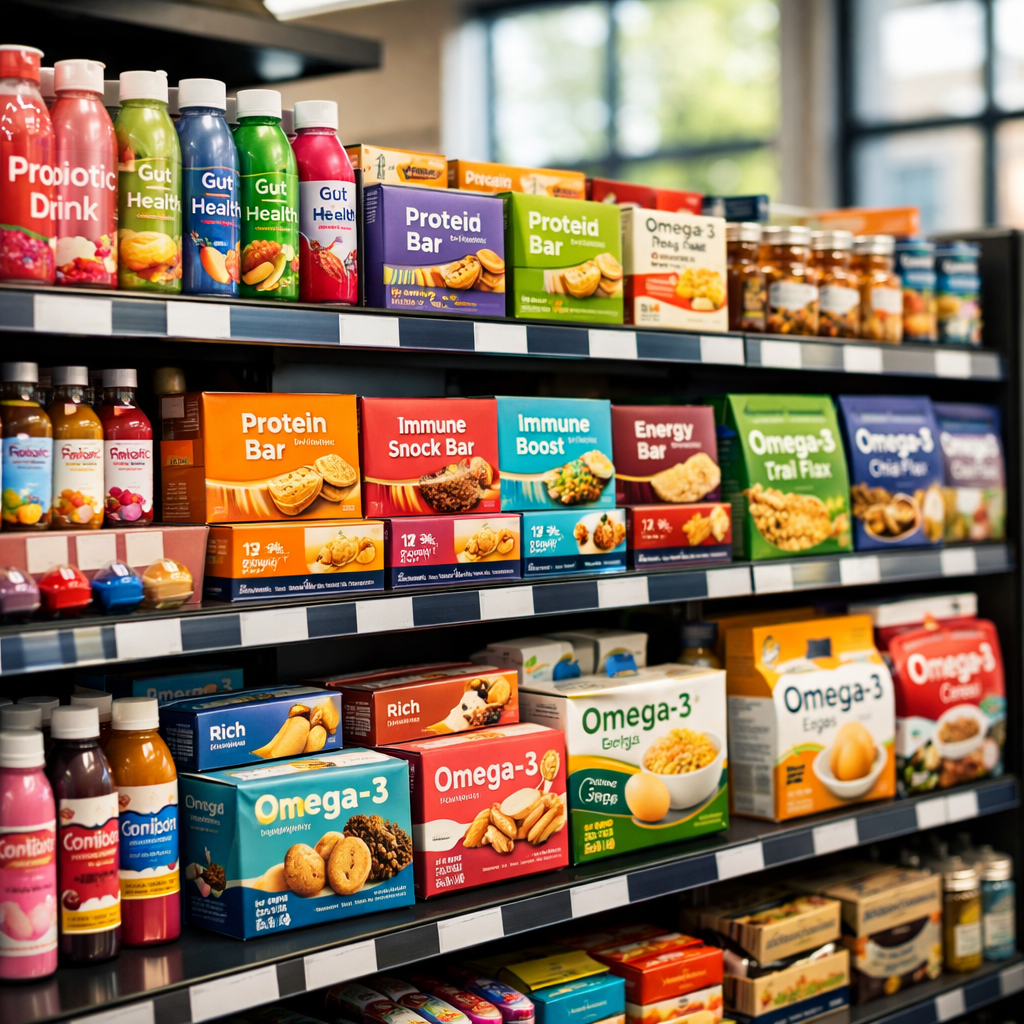
The nutritional landscape is undergoing a fundamental transformation. Functional foods—products that deliver measurable health benefits beyond basic nutrition—have moved from niche market segments to mainstream consumer demand. These aren’t merely fortified products or supplements disguised as food. True functional foods integrate bioactive compounds, scientifically validated ingredients, and clinical evidence to address specific health concerns while fitting seamlessly into consumers’ daily routines.
For forward-thinking supplement manufacturers and nutritional product developers, this represents more than a trend. It’s a paradigm shift backed by robust clinical data and peer-reviewed research. Ingredients like L-Theanine for cognitive performance, probiotics for gut microbiome health, and omega-3 fatty acids for cardiovascular support have transitioned from specialized supplements to everyday functional food applications. The science is clear: consumers want evidence-based nutrition delivered through convenient, enjoyable formats.

What sets successful functional foods apart is their foundation in rigorous scientific validation. Products containing amino acids like L-Tryptophan for sleep quality or Glycine for exercise recovery aren’t marketing gimmicks—they’re backed by clinical trials and mechanism-of-action studies. This scientific credibility appeals to sophisticated manufacturers who understand that today’s consumers demand transparency and proof. At NutraAeon, we’ve witnessed this evolution firsthand, connecting manufacturers with premium ingredients that meet the exacting standards required for functional food development.
The 2025 Inflection Point: Why Now Matters
Several converging forces make 2025 the optimal year for manufacturers to capture the functional foods opportunity. Consumer awareness has reached critical mass. According to industry analysts, the global functional foods market is projected to exceed £275 billion by the end of 2025, with momentum accelerating toward $600 billion in the early 2030s. This isn’t speculative growth—it’s driven by measurable shifts in consumer behavior.
Digestive health has emerged as a primary consumer priority. Probiotics and prebiotics are no longer confined to specialty yogurts or capsules. Manufacturers are successfully integrating these ingredients into beverages, snack bars, and meal replacements. The gut-brain axis research has expanded consumer understanding beyond simple digestion to connections with mood, immunity, and overall wellness. Small businesses and R&D companies have a unique advantage here: agility to develop innovative formulations that larger corporations struggle to execute quickly.
Immunity support has permanently altered consumer purchasing decisions. The past few years elevated immune health from occasional concern to daily priority. Vitamin C, Vitamin D, zinc, and botanical extracts like elderberry are baseline expectations in functional beverages and foods. But sophisticated consumers now seek synergistic formulations—products that combine multiple immune-supporting ingredients with demonstrated bioavailability and absorption.
Preventive nutrition represents perhaps the most significant shift. Consumers increasingly view food as medicine, seeking products that help them avoid health issues rather than merely address symptoms. This philosophy aligns perfectly with functional foods that support cardiovascular health, cognitive function, metabolic wellness, and healthy aging. For nutritional product developers, this means opportunities to create products targeting specific life stages and health objectives.
Digital commerce has democratized market access. E-commerce platforms, direct-to-consumer channels, and social media marketing enable small businesses to reach global audiences without traditional retail barriers. Brands can test innovative functional formats—from nootropic coffee blends to collagen-enriched snacks—with minimal upfront investment. This digital infrastructure makes 2025 uniquely positioned for manufacturers ready to act quickly and innovate boldly.
Global Market Outlook: Mapping the $600B Opportunity
The trajectory toward a $600 billion functional foods market by the early 2030s isn’t uniform across categories. Understanding which segments offer the greatest opportunity allows manufacturers to allocate resources strategically and build partnerships that position them for long-term success.
Probiotics and gut health products represent the fastest-growing segment. Consumer education around microbiome science has created sustained demand for products containing documented probiotic strains with specific health benefits. But the opportunity extends beyond traditional dairy products. Manufacturers are successfully incorporating shelf-stable probiotics into protein bars, cereals, and even chocolate. The key is selecting strains with clinical validation and ensuring viable colony-forming units through shelf life—areas where ingredient quality directly impacts product efficacy.
Prebiotics offer complementary opportunities. Ingredients like inulin, oligofructose, and resistant starches support the growth of beneficial gut bacteria. These ingredients integrate easily into baked goods, beverages, and snacks while adding functional benefits without significantly altering taste or texture. For enterprise businesses seeking strategic ingredient partnerships, prebiotics represent a cost-effective way to enhance product positioning while meeting clean-label expectations.
Plant-based functional ingredients have transcended dietary trends to become mainstream nutritional solutions. Pea protein, hemp protein, and various botanical extracts deliver protein, fiber, and phytonutrients in formats that appeal to diverse consumer segments. The sophistication here lies in formulation—creating products where plant-based ingredients contribute to sensory appeal rather than detracting from it. Amino acids like L-Serine and complete B-Complex vitamins help manufacturers balance nutritional profiles while addressing potential gaps in plant-based diets.
Personalized nutrition represents the frontier of functional foods. Advances in nutrigenomics and consumer health tracking create demand for products tailored to individual needs. While fully personalized products remain complex to manufacture at scale, manufacturers can address personalization through targeted product lines—formulations for specific demographics, activity levels, or health goals. This segmentation allows brands to command premium pricing while demonstrating deep understanding of consumer needs.
Clean-label ingredients cut across all functional food categories. Consumers scrutinize ingredient lists with unprecedented attention, rejecting artificial additives, synthetic colors, and unpronounceable compounds. This creates both challenges and opportunities. Manufacturers who source premium, naturally-derived functional ingredients can differentiate through transparency and simplicity. At NutraAeon, our commitment to complete documentation and certificates of analysis for every ingredient reflects our understanding that clean-label isn’t just marketing—it’s fundamental to consumer trust.

Navigating the 2025 Regulatory Landscape
Regulatory compliance separates successful functional foods from products that face enforcement actions or consumer backlash. The regulatory environment in 2025 demands evidence-backed claims and clear communication—standards that health-conscious product manufacturers must prioritize from formulation through marketing.
The FDA continues refining its approach to structure-function claims on functional foods. Products can legally claim to support normal body functions—”supports digestive health” or “promotes relaxation“—without pre-market approval, provided claims are truthful and not misleading. However, disease claims require rigorous substantiation and regulatory pathways that most functional foods cannot pursue. The distinction matters enormously. Manufacturers must work with regulatory experts to ensure their marketing accurately reflects ingredient benefits without crossing into therapeutic territory.
European markets operate under EFSA guidelines that demand even higher levels of substantiation for health claims. For manufacturers targeting international markets, understanding regional regulatory variations isn’t optional. Products containing probiotics, for example, face different claim restrictions in the EU compared to the United States. This complexity creates opportunities for manufacturers who invest in regulatory expertise and partner with ingredient suppliers who understand global compliance requirements.
Labeling accuracy has intensified as a regulatory priority. The Better Food Disclosure Act introduced in November 2025 signals increasing federal attention to transparency in food labeling and packaging. Manufacturers must ensure that ingredient lists, nutrition facts, and allergen statements meet current requirements while anticipating stricter standards ahead. This includes accurate declaration of functional ingredients, their sources, and any potential allergens or processing aids.
Heavy metals and contaminants represent a critical compliance area. Federal and state actions are accelerating around testing requirements and allowable limits for heavy metals in dietary supplements and functional foods. Manufacturers need ingredient partners who conduct rigorous testing beyond minimum requirements. At NutraAeon, our industry-leading testing protocols exceed USP and FDA expectations, providing manufacturers with confidence that their ingredient supply meets the most stringent purity standards.
Clinical data requirements are rising across the industry. While not legally mandated for all functional foods, robust clinical validation increasingly determines marketplace success. Consumers and retailers demand evidence that ingredients work as claimed. This means manufacturers should prioritize ingredients with published human clinical trials, mechanisms of action documented in peer-reviewed journals, and bioavailability studies demonstrating effective absorption. Ingredients like L-Theanine, backed by extensive cognitive performance research, exemplify the gold standard that sophisticated manufacturers should seek.
Innovation and Capabilities: What Manufacturers Need by 2025
Succeeding in the functional foods market requires more than sourcing ingredients and creating formulations. Manufacturers must develop specific capabilities that enable them to compete effectively and scale sustainably.
Formulation science sits at the core of functional food development. Creating products where functional ingredients remain bioavailable, stable through shelf life, and compatible with sensory expectations requires sophisticated technical expertise. Amino acids, vitamins, and minerals can interact with food matrices in complex ways—affecting pH, oxidative stability, and flavor profiles. Manufacturers who invest in formulation scientists and pilot-scale testing gain decisive competitive advantages.
Fermentation-derived bioactives represent an emerging innovation frontier. Precision fermentation enables production of compounds traditionally extracted from animal or plant sources through microbial fermentation. This technology offers sustainability benefits, consistent quality, and novel functional ingredients. Forward-thinking manufacturers should monitor this space for ingredients that align with their product strategies and consumer expectations around sustainability.
Sustainable sourcing has transitioned from differentiator to baseline requirement. Consumers—particularly younger demographics—evaluate products based on environmental impact, ethical sourcing, and supply chain transparency. Manufacturers need ingredient partners who can document sustainability credentials, traceability from source to delivery, and ethical labor practices. This transparency builds brand trust while mitigating supply chain risks.
Quality assurance systems must evolve beyond basic compliance. The most successful manufacturers implement end-to-end quality management—from ingredient verification through finished product testing. This includes identity testing to confirm ingredients match specifications, microbiological testing to ensure safety, and stability studies to validate shelf life claims. At NutraAeon, our comprehensive supply network and rigorous quality standards reflect our belief that quality assurance isn’t an expense—it’s the foundation of brand reputation.
Traceability and supply chain visibility enable manufacturers to respond quickly to quality issues, comply with evolving regulations, and communicate transparently with consumers. Blockchain technologies and digital tracking systems are becoming standard in premium ingredient supply chains. Manufacturers should partner with suppliers who provide complete documentation and real-time visibility into sourcing, testing, and logistics.
Go-to-Market Strategies for Capturing the Functional Foods Opportunity
Having exceptional products means nothing without effective strategies to reach consumers and generate sustainable sales. The functional foods market rewards manufacturers who develop sophisticated, multi-channel approaches to market entry and growth.
Strategic ingredient partnerships form the foundation of successful functional food businesses. Rather than viewing suppliers as transactional vendors, leading manufacturers build collaborative relationships with ingredient partners who provide technical support, regulatory guidance, and market insights. These partnerships enable faster innovation cycles, reduced formulation risks, and access to emerging ingredients before competitors. NutraAeon’s approach exemplifies this philosophy—we don’t simply supply ingredients, we empower manufacturers with scientific expertise and comprehensive support throughout product development.
Direct-to-consumer platforms offer manufacturers unprecedented control over brand messaging and customer relationships. By selling through proprietary e-commerce channels, brands can gather consumer data, test new formulations, and command higher margins compared to traditional retail. The key is creating compelling brand stories that connect functional benefits to consumer aspirations—not just listing ingredient benefits, but showing how products fit into consumers’ daily lives and support their health goals.
Diversified channel strategies balance risk while maximizing reach. Successful manufacturers typically combine direct-to-consumer sales with strategic retail partnerships, third-party marketplaces like Amazon, and subscription models. Each channel serves different purposes: direct sales build brand equity and margins, retail provides volume and credibility, marketplaces offer discovery and convenience, and subscriptions create predictable revenue. The optimal mix depends on product characteristics, target demographics, and competitive positioning.
Content marketing and education separate functional food brands from commodity competitors. Consumers want to understand why specific ingredients matter, how they work in the body, and what differentiates one product from alternatives. Manufacturers should invest in content that educates rather than just promotes—scientific blog posts, ingredient spotlight videos, and transparent discussions of research backing product formulations. This educational approach builds consumer trust while establishing brands as authorities in functional nutrition.
Partnerships with health practitioners and influencers amplify credibility and reach. Dietitians, nutritionists, personal trainers, and wellness influencers hold significant sway over consumer purchasing decisions. Manufacturers who develop authentic relationships with these professionals—providing samples, education, and partnership opportunities—gain powerful advocates who recommend products based on genuine belief in their efficacy and quality.
Actionable Insights: What Practitioners Should Do Now
For manufacturers ready to capture the functional foods opportunity, strategic action matters more than perfect planning. Here are specific steps to take in 2025 and beyond.
Build products around clear, evidence-based health stories. Consumers don’t buy ingredients—they buy solutions to health concerns and aspirations. Every functional food should answer a specific consumer need with ingredients backed by robust clinical data. If you’re formulating a stress-relief beverage with L-Theanine, understand the research on dosing, timing, and synergistic ingredients. If you’re creating a gut health snack bar with prebiotics, know exactly which types of fiber deliver documented benefits and at what inclusion rates. This scientific foundation enables confident marketing and supports regulatory compliance.
Plan regulatory pathways early in development. Too many manufacturers formulate products and then discover regulatory obstacles that require expensive reformulations or limit marketing claims. Engage regulatory experts during concept development to understand what claims you can legally make, what substantiation you need, and what labeling requirements apply. This proactive approach saves time and money while preventing costly mistakes.
Invest in R&D as a competitive advantage. The functional foods market rewards innovation and differentiation. Allocate budget to formulation development, stability testing, and sensory optimization. Partner with universities or research organizations to conduct clinical studies that validate your products’ benefits. This investment in science creates intellectual property, marketing differentiation, and barriers to competition that commodity products cannot match.
Build trust through transparency and sustainability. Today’s consumers research products before purchasing and scrutinize brand practices beyond product efficacy. Demonstrate transparency by publishing certificates of analysis, sourcing information, and test results. Communicate sustainability initiatives—from packaging choices to ingredient sourcing. Show consumers that your brand values align with their priorities. At NutraAeon, our commitment to quality, transparency, and empowerment reflects our understanding that trust is the currency of the modern nutritional marketplace.
Choose ingredient partners who share your standards and vision. Your functional food is only as good as the ingredients you source. Partner with suppliers who exceed minimum quality requirements, provide comprehensive technical support, and demonstrate commitment to innovation and sustainability. Look for partners who conduct rigorous testing, maintain complete supply chain visibility, and offer scientific expertise to support your formulation development. The right ingredient partner accelerates your time to market while reducing risks that could damage your brand.
The functional foods market presents extraordinary opportunities for manufacturers who combine scientific rigor, consumer insight, and operational excellence. The $600 billion market shift isn’t speculative—it’s already underway, driven by consumers who increasingly view food as functional medicine and preventive health strategy. For supplement manufacturers, enterprise businesses, small companies, R&D organizations, and health-conscious product developers, 2025 offers optimal conditions to enter this market or expand existing portfolios.
Success requires more than following trends. It demands commitment to evidence-based formulations, regulatory compliance, quality assurance, and transparent communication with consumers. It requires partnerships with ingredient suppliers who share your commitment to excellence and provide the support necessary to navigate complex technical and regulatory challenges.
At NutraAeon, we’ve built our business around empowering manufacturers to create exceptional functional foods through premium ingredient sourcing, scientific expertise, and unwavering commitment to quality and transparency. Whether you’re formulating with amino acids like L-Theanine and L-Tryptophan, vitamins like our complete B-Complex family and multiple forms of Vitamin C, or minerals like food-grade Magnesium Oxide, we provide the ingredients, documentation, and support that enable your success in the functional foods revolution.
The market opportunity is clear. The consumer demand is proven. The question isn’t whether functional foods will continue growing—it’s whether your company will capture its share of this transformative market shift. Start today with evidence-based formulations, strategic partnerships, and unwavering commitment to quality. Your consumers are waiting for products that deliver real benefits backed by real science. Give them what they’re seeking, and 2025 will indeed be your best year yet.