Most people have never heard of magnesium oxide heavy. And yet, it’s quietly doing the hard work in some of the most demanding environments on the planet — lining steel furnaces that hit 1,700°C, filtering contaminants from industrial wastewater, and appearing in the mineral supplements sitting on your shelf. It doesn’t advertise itself. It just performs.
For supplement manufacturers and ingredient sourcing professionals, understanding the full picture of this material — where it comes from, why “heavy” matters, and how grade selection affects your product — is the kind of edge that separates informed buyers from costly mistakes.
What Actually Makes Magnesium Oxide “Heavy”?
The distinction between light and heavy magnesium oxide isn’t about weight in the way most people think. It’s about bulk density and particle morphology — two properties that determine everything about how the material behaves in its application.
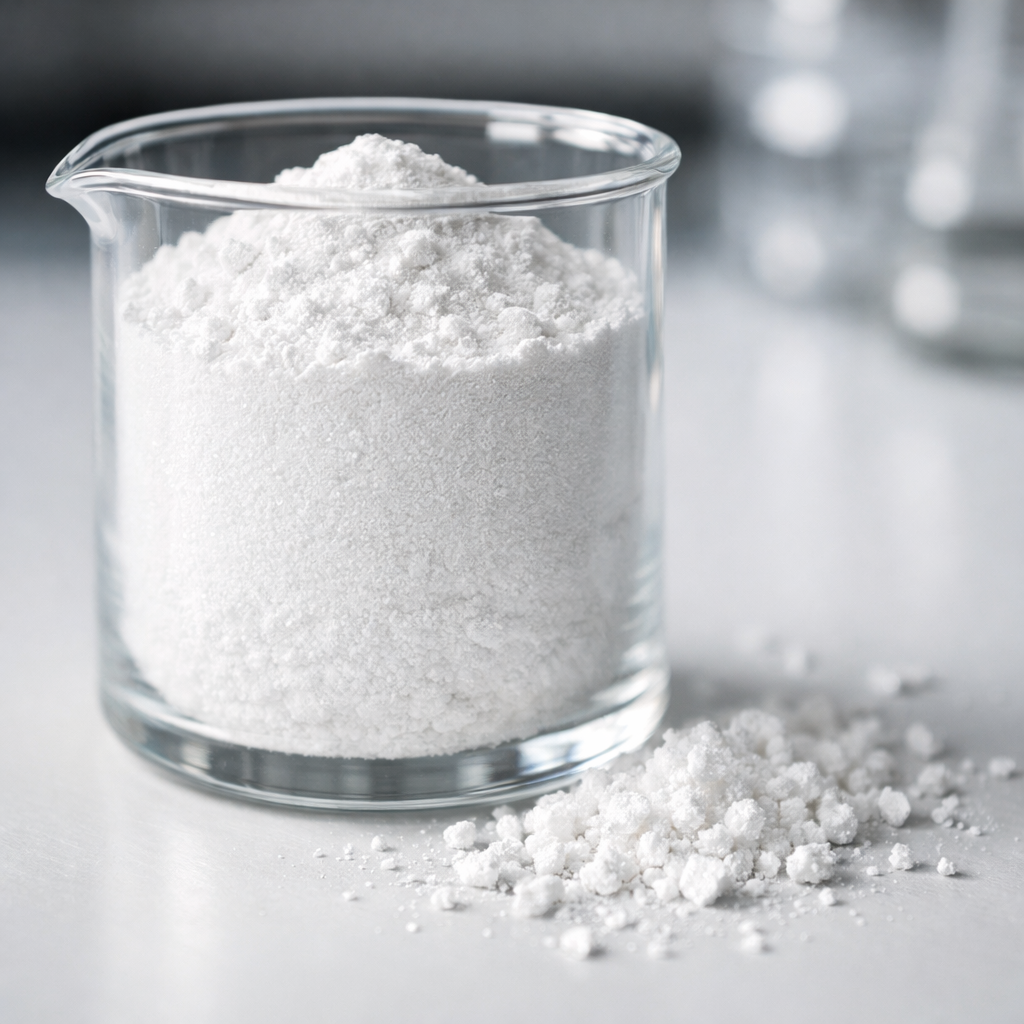
Light magnesium oxide is porous and fluffy. It has a high surface area, which makes it chemically reactive — useful when you need fast dissolution or fast neutralization. Heavy magnesium oxide, by contrast, is dense and compact. Its particles are tightly packed, its surface area is lower, and its physical behavior is fundamentally different.
Dr. Richard Hess, a materials chemist who has worked with refractory applications for over 20 years, puts it plainly: “The density difference between light and heavy MgO isn’t cosmetic — it determines thermal performance. A dense, dead-burned MgO grain resists penetration by slag and molten metal in a way that a porous grain simply cannot.”
Heavy MgO typically comes from one of two production routes. The first is caustic calcined magnesia — produced by calcining magnesite at moderate temperatures (700–1000°C). This gives a relatively dense but still somewhat reactive product used in feed, food, and chemical applications. The second is dead-burned magnesia (DBM) — produced by calcining at extreme temperatures (1500–2000°C), which creates a near-inert, ultra-dense form used almost exclusively in high-heat industrial settings like steel and cement production.
Both belong under the broad umbrella of “magnesium oxide heavy,” but they serve very different masters.
Inside the Furnace: How Heavy MgO Holds Steel Together
Steel doesn’t exist without refractory materials. And refractory materials, for most of the world’s steel production, don’t work without dead-burned magnesium oxide heavy.
When a basic oxygen furnace or electric arc furnace runs at full capacity, the internal temperature can exceed 1,650°C. The walls of that furnace need to survive — not for minutes, but for hundreds of heats. They also need to resist chemical attack from basic slag (the byproduct of steel refining), which would dissolve most materials before the shift ends.
Dead-burned MgO is the answer. Its melting point sits at approximately 2,852°C — one of the highest of any oxide material. Its strongly basic nature means it chemically resists attack from basic slags rather than reacting with them. And its dense, low-porosity structure minimizes penetration of molten metal and slag into the lining.
Global steel production sits around 1.9 billion metric tons per year. Nearly every ton passes through equipment lined with dead-burned magnesia. China alone produces roughly 15 million tons of dead-burned MgO annually, largely from the world-class magnesite deposits in Liaoning Province — the same supply chain that shapes global pricing for industrial MgO.
Beyond steel, heavy MgO in refractory form is critical to cement kilns, glass furnaces, copper smelters, and petrochemical reactors. Anywhere you need a material to survive sustained extreme heat without compromising structural integrity, dense magnesium oxide shows up.

From Wastewater to Tap Water: The Quiet Chemistry
Water treatment is where magnesium oxide heavy earns a different kind of reputation — less dramatic than surviving a steel furnace, but arguably more important to public health.
MgO is a powerful alkaline agent. When it contacts water, it forms magnesium hydroxide, which raises pH efficiently. This makes it valuable for:
- pH correction in acidic wastewater — neutralizing industrial effluents before discharge
- Heavy metal precipitation — raising pH causes dissolved metals like lead, cadmium, and zinc to precipitate out of solution
- Soft water remineralization — adding essential magnesium back to demineralized or desalinated water
- Drinking water quality — particularly in regions where desalination strips mineral content
A 2023 study published in Water Research reviewed multiple approaches to magnesium supplementation in post-treatment of desalinated water. Magnesium oxide media consistently emerged as an effective, cost-competitive option for remineralization — adding back the magnesium that desalination removes, improving both taste and nutritional profile of treated water.
According to the World Health Organization, magnesium-deficient water has been associated with increased cardiovascular risk in population studies. The WHO recommends minimum magnesium levels of 10 mg/L in drinking water as a public health measure. That quiet number represents a massive global application of MgO in water infrastructure — one that most consumers never think about when they turn on the tap.
For industrial users, the grade of MgO matters enormously in water treatment. A high-purity, caustic calcined grade dissolves at controlled rates to maintain consistent pH dosing. Impurities — particularly heavy metals in the MgO source itself — can become a compliance liability if they leach into treated water. This is why sourcing documentation matters as much as price in this application.
The Supplement Connection: Heavy MgO in Nutritional Applications
Here’s where the story becomes directly relevant to supplement manufacturers.
Magnesium is the fourth most abundant mineral in the human body and participates in over 300 enzymatic reactions. Deficiency is surprisingly common — surveys suggest that roughly 50% of Americans don’t meet recommended daily intake. The supplement industry has responded with a wide range of magnesium forms, and magnesium oxide (often the heavy-grade caustic calcined variety) is among the most commonly used.
Its appeal is straightforward: high elemental magnesium content. Magnesium oxide provides approximately 60% elemental magnesium by weight — the highest of any commonly used magnesium salt. Compare that to magnesium citrate (16%), magnesium glycinate (14%), or magnesium malate (15%). For formulators working within tight capsule or tablet size constraints, MgO delivers a lot of mineral in a small space. For a complete picture of how magnesium fits into the broader supplementation landscape, the daily intake of vitamins and minerals chart is a useful reference for understanding target doses across formulations.
Clinical applications documented in the research literature include:
- Migraine prevention — a 2021 review in Nutrients found magnesium supplementation reduced migraine frequency by 41% in clinical trials (NIH Office of Dietary Supplements)
- Laxative and constipation relief — MgO draws water into the intestine via osmotic action, a mechanism well-documented and FDA-recognized
- Blood pressure support — meta-analyses suggest modest but consistent reductions in both systolic and diastolic blood pressure with regular supplementation
- Sleep quality — magnesium’s role in GABA receptor function and melatonin regulation connects it to improved sleep onset and maintenance
The “heavy” grade distinction matters for supplement manufacturers in two ways. First, heavy MgO’s denser, more compact physical form often handles better in tablet compression and capsule filling equipment. Second, the grade determines dissolution rate — a factor relevant to both bioavailability and product performance claims.
Not all magnesium oxide is created equal. Supplement-grade heavy MgO needs to meet food-grade purity specifications, including limits on heavy metal contaminants and adherence to pharmacopeial standards (USP, BP, or FCC). GMP+ certification is the baseline for animal feed applications; human supplement applications typically require USP or FCC compliance with full documentation.
What Manufacturers Actually Need to Know About Sourcing
If you source magnesium oxide for supplement formulation, feed additive manufacturing, or industrial applications, the quality gap between suppliers is real — and it’s not always visible from a price sheet.
China produces over 60% of the world’s magnesite reserves and is the dominant global supplier of caustic calcined MgO for both industrial and nutritional applications. The quality variance within Chinese production is significant. Top-tier producers — particularly those operating in Liaoning Province with GMP/ISO/HACCP certification stacks — produce material that meets the documentation requirements of FDA-regulated supply chains. Others do not.
What to look for when evaluating a magnesium oxide heavy supplier:
- Certificate of Analysis (COA) specificity — a quality COA should include assay percentage (MgO content), loss on ignition, heavy metal limits (lead, arsenic, cadmium, mercury), and mesh size distribution
- Pharmacopeial compliance — USP or FCC grade certification is the standard for supplement applications
- GMP certification of the manufacturer — not the distributor, the actual factory
- Traceability — the ability to trace the material back to its source mine and processing facility
- Order flexibility — many top-quality Chinese producers require full container loads (20+ tons). Sourcing partners with US warehouse inventory can supply R&D-scale quantities (25kg+) of verified material without forcing premature volume commitments
The mineral sourcing landscape for supplement manufacturers has changed significantly over the past decade. Regulatory scrutiny on ingredient documentation has intensified under FDA’s cGMP framework. Buyers who used to rely on distributor assurances are now expected to maintain their own supplier qualification records. That shift has pushed more manufacturers toward partners who can provide the full documentation stack — not just a price and a bag. Understanding nutraceutical manufacturing quality gaps is essential reading for anyone sourcing mineral ingredients at scale.
Magnesium oxide heavy is one of those ingredients that looks commodity-like until something goes wrong. A batch of MgO with elevated lead content can trigger an FDA recall that costs more than years of sourcing savings. A supplier who vanishes when you need a small R&D reorder creates formulation delays that compound across your product launch timeline. The unsung hero deserves unsung diligence to match.
The Bigger Picture
What makes magnesium oxide heavy genuinely fascinating is the breadth of its utility. The same chemical compound — magnesium and oxygen, nothing more — can be engineered into a near-indestructible furnace lining or compressed into a supplement tablet. It can raise the pH of industrial effluent or add nutritional value to desalinated drinking water. It performs across industries that rarely talk to each other, binding together infrastructure and wellness in a material most people will never directly encounter.
For supplement manufacturers specifically, that industrial pedigree matters in a practical way. The supply chains, certification standards, and technical specifications that govern MgO in refractory and water treatment applications have matured over decades. The best mineral ingredient suppliers bring that same technical discipline to their food and supplement-grade material — documentation standards built for industries that can’t afford to get it wrong.
If you’re formulating with magnesium or evaluating suppliers for your next product line, the conversation about magnesium oxide heavy is worth having before you commit to a source. The specifications tell one story. The supplier’s quality infrastructure tells the one that matters. Explore NutraAeon’s verified mineral ingredients to find USP-grade magnesium oxide with full documentation from GMP-certified manufacturers.