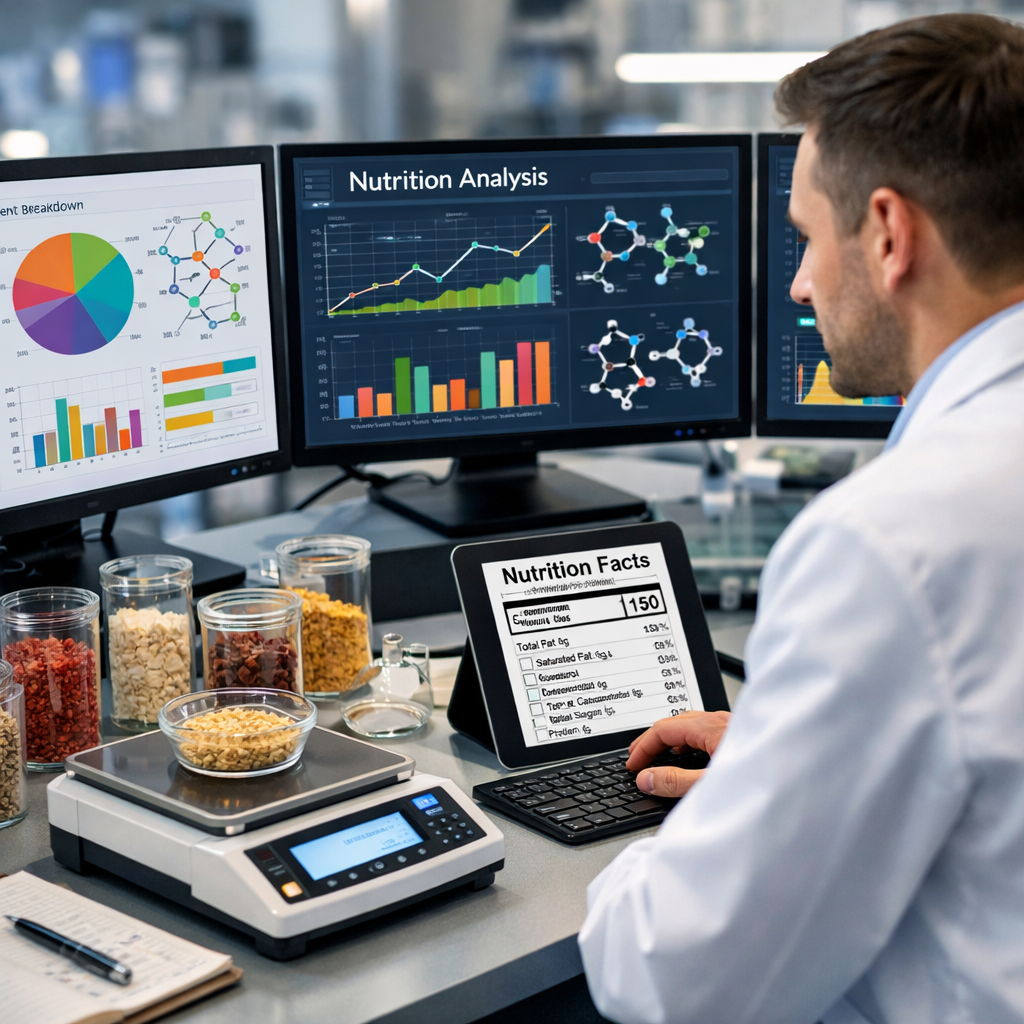
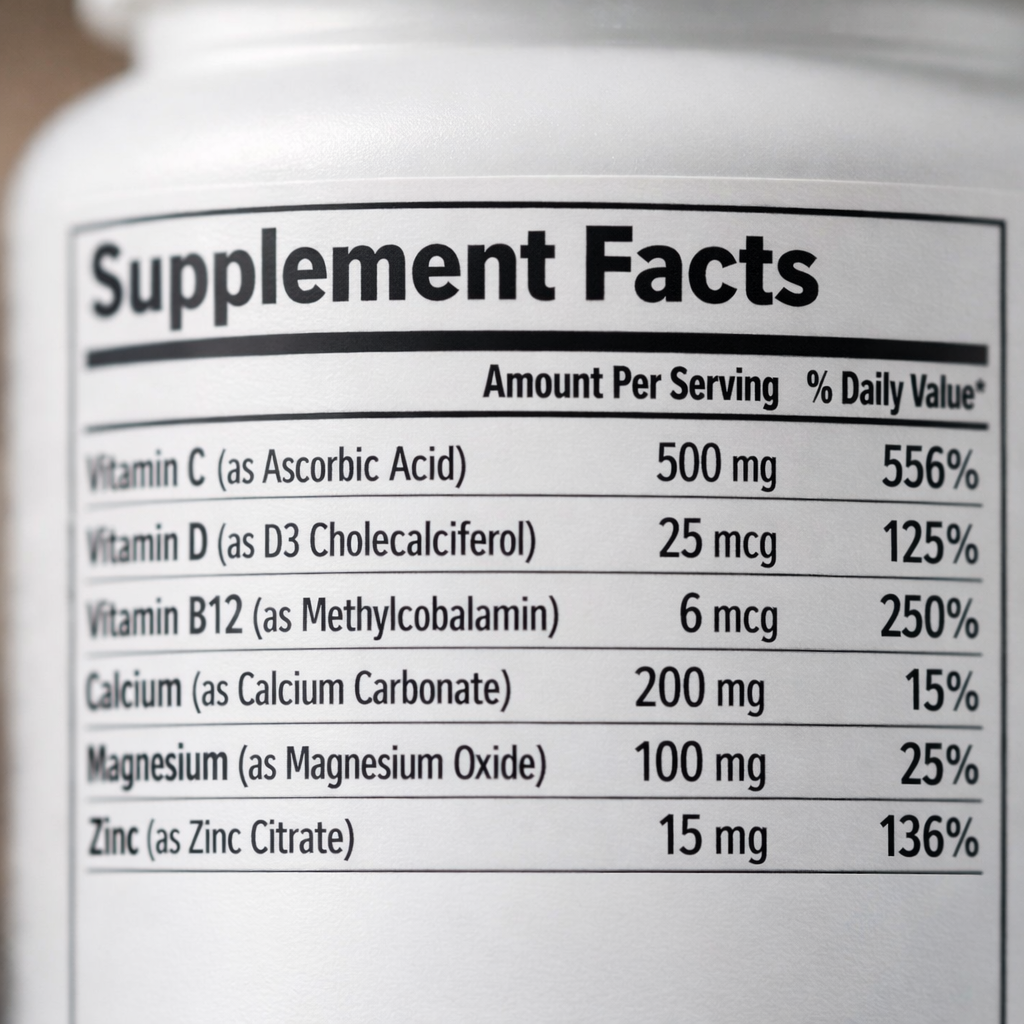
The nutritional manufacturing landscape has transformed dramatically. Today’s manufacturers face mounting pressure to deliver products with precise nutritional profiles while navigating increasingly stringent regulatory requirements. Whether you’re formulating a new protein powder blend or adjusting the nutrient composition of a functional food product, accurate calorie and nutrient analysis isn’t optional—it’s essential. Yet many manufacturers, especially smaller operations and R&D teams, need quick, accessible tools for preliminary formulation testing before committing to expensive laboratory analysis.
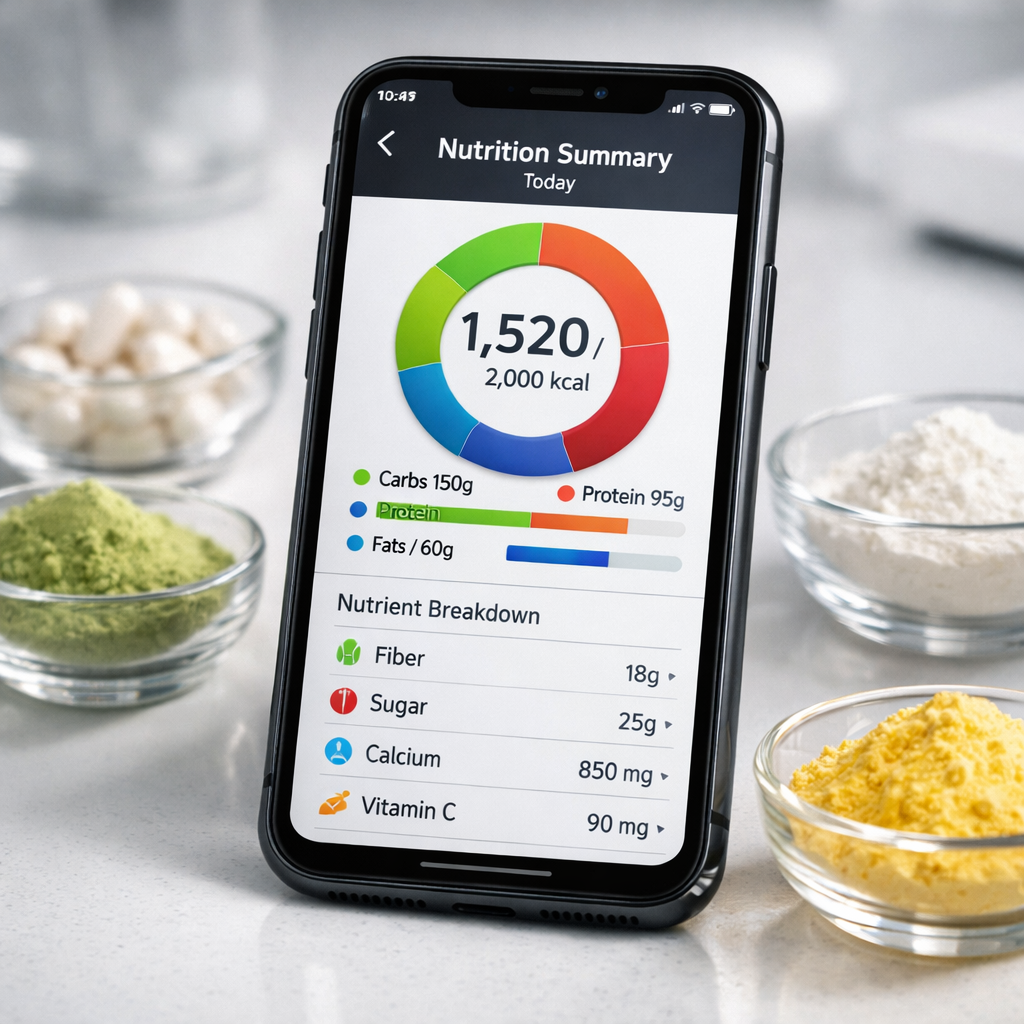
This is where free calorie tracking apps enter the picture. While these consumer-facing tools weren’t designed with manufacturing in mind, forward-thinking nutritional companies have discovered their surprising utility in early-stage formulation work—much like how free recipe nutrition calculators have transformed supplement formulation by providing quick nutritional estimates before expensive lab testing. These apps offer manufacturers a practical starting point—a way to quickly assess the nutritional profile of prototype recipes, identify potential formulation issues, and make informed adjustments before moving to validated testing methods.
Why Calorie Tracking Apps Matter in Manufacturing
At first glance, consumer calorie tracking apps might seem mismatched for manufacturing needs. After all, they’re designed to help individuals log meals and track personal nutrition goals. But dig deeper, and their value for formulation testing becomes clear.
These apps serve multiple functions in the manufacturing workflow. During recipe development, they provide immediate feedback on nutritional composition, allowing formulators to experiment with different ingredient ratios without waiting for lab results. When developing nutrient profiles for new products, manufacturers can quickly compare various formulation approaches and identify which combinations best align with target nutritional claims.
Perhaps most importantly, these tools help ensure labeling accuracy from the earliest stages. By catching potential discrepancies between intended and actual nutrient content early in development, manufacturers avoid costly reformulation down the line. For companies working on product consistency across batches, these apps offer a standardized method for tracking ingredient variations and their nutritional impact.
Think of these apps as your formulation team’s first line of defense—a quick-check tool that sits between initial concept and formal validation. They won’t replace certified laboratory analysis, but they’ll help you arrive at that stage with greater confidence and fewer surprises.

What Makes a Calorie Tracking App Suitable for Manufacturing
Not all calorie tracking apps work equally well for manufacturing purposes. Consumer-focused features like social sharing or exercise tracking hold little value in a formulation lab. Instead, manufacturers need specific capabilities that align with their technical requirements.
The best free calorie tracking app for manufacturing use needs a robust free tier that doesn’t restrict essential features behind paywalls. Custom ingredient options are non-negotiable—you need the ability to input proprietary ingredients with precise nutritional data, not rely solely on generic database entries. This capability mirrors the importance of nutrition facts calculators in making smarter ingredient choices during formulation development. Comprehensive nutrient analysis capabilities matter too. While calorie counting suffices for personal use, manufacturers need detailed breakdowns of macronutrients, vitamins, minerals, and other nutritional components.
Data export functions prove crucial when collaborating with teams or preparing documentation. The ability to extract nutritional data in formats like CSV or PDF allows seamless integration with other manufacturing systems. Finally, look for apps that support recipe saving and sharing, enabling multiple team members to review and refine formulations collaboratively.
Top Free Calorie Tracking Apps for Nutritional Manufacturers
After extensive evaluation, several apps stand out for their utility in manufacturing contexts. Each brings unique strengths to formulation testing while maintaining genuinely useful free tiers.
Cronometer consistently ranks as the best free calorie tracking app for serious nutritional analysis. Its free version provides comprehensive micronutrient tracking covering vitamins, minerals, and amino acids—exactly what manufacturers need for complete nutritional profiling. The interface supports custom foods with detailed nutrient entry, and the database draws from verified sources including USDA and NCCDB. For manufacturers, Cronometer’s ability to track over 80 micronutrients makes it invaluable for ensuring products meet comprehensive nutritional standards. The recipe builder function handles complex formulations with multiple ingredients, and the data export options facilitate documentation and team collaboration.
MyFitnessPal offers the largest food database among free apps, with over 14 million entries. While less focused on micronutrients than Cronometer, its extensive ingredient library proves helpful for initial formulation work, particularly when working with common food ingredients. The free version includes recipe creation and macro tracking, though detailed micronutrient analysis requires premium subscription. For manufacturers working with mainstream ingredients, MyFitnessPal provides quick nutritional estimates during early development phases.
Lose It! strikes a balance between user-friendliness and functional depth. Its free tier includes custom food creation and basic nutritional tracking. The barcode scanner, while consumer-oriented, occasionally proves useful for checking commercial ingredient products during formulation. The app’s clean interface makes it accessible for team members less familiar with nutrition software, though its nutritional detail doesn’t match Cronometer’s depth.
MyNetDiary brings impressive nutritional analysis to its free version, tracking both macros and key micronutrients. The app’s focus on accurate data and its connection to verified nutrition databases makes it suitable for preliminary formulation checks. Custom food entry works smoothly, and the recipe analysis feature handles multi-ingredient formulations reasonably well.
YAZIO and Nutritionix Track round out the options worth considering. YAZIO offers straightforward macro tracking with decent custom food support in its free tier. Nutritionix Track provides access to comprehensive nutritional data and particularly shines when working with branded ingredients, as its database includes detailed information from major food manufacturers.
Critical Caveats for Manufacturing Use
Before integrating any of these apps into your formulation workflow, understand their limitations clearly. These tools operate as consumer-grade solutions, not certified analytical instruments. The databases they rely on, while extensive, vary in accuracy and completeness. Generic entries may not reflect the specific nutritional characteristics of your sourced ingredients, particularly when dealing with specialized or premium raw materials.
Regulatory compliance presents another consideration. FDA nutrition labeling regulations require validated analytical methods or appropriate databases like the USDA National Nutrient Database. While these apps can reference such databases, they shouldn’t serve as your sole source for regulatory nutrition facts panels. Instead, view them as tools for formulation optimization—helping you get close to your nutritional targets before engaging certified laboratories for final validation.
Data precision matters too. Most apps round values, which might create small discrepancies in formulation work where precision counts. Custom ingredient entries depend entirely on the accuracy of data you input, making these apps only as reliable as your source information. Always cross-reference critical values with authoritative sources.
For any product heading to market, pair these free tools with validated laboratory analysis or recognized nutrient calculation software approved for regulatory use. Understanding how to build compliant Supplement Facts panels ensures your final product meets all FDA requirements. The best free calorie tracking app in the world still can’t replace proper validation when compliance is at stake.
Best Practices for Effective Manufacturing Use
Maximizing these apps’ utility requires thoughtful implementation. Start by defining a consistent nutrient set for your formulation work. Decide which nutrients matter most for your product category and ensure you track them systematically across all formulations. This consistency enables meaningful comparisons between different formulation versions.
Build a comprehensive ingredient library within your chosen app. Take time upfront to create custom entries for your commonly used ingredients with accurate nutritional data from reliable sources. This investment pays dividends in efficiency and accuracy as you develop multiple products. Keep this library updated as you source new ingredients or as suppliers provide updated analytical data.
When inputting recipes, precision matters. Use exact weights in grams rather than volume measurements whenever possible. Specify the exact form of each ingredient—whey protein isolate differs nutritionally from whey protein concentrate, and vitamin C as ascorbic acid differs from vitamin C as calcium ascorbate. These details significantly impact your final nutritional profile.
Validate your results against official databases periodically. Cross-check your formulation analyses with USDA data or other authoritative sources to ensure your custom ingredients align with expected values. This validation process helps catch data entry errors and maintains your library’s reliability.
Document everything. Export nutritional analyses for each formulation version, maintain notes on ingredient sources, and track any adjustments made during development. This documentation proves invaluable when discussing formulations with team members, explaining nutritional choices to stakeholders, or preparing for laboratory validation.
Quick-Start Workflow for Manufacturers
Ready to incorporate these tools into your formulation testing? Follow this streamlined workflow for best results.
First, select your primary app based on your specific needs. If micronutrient detail matters most—particularly for fortified products or supplements—choose Cronometer. If you’re working primarily with whole food ingredients and need broad database coverage, MyFitnessPal might serve better. Download the app and create an account dedicated to formulation work, separate from any personal nutrition tracking.
Next, build your ingredient database. Start with your ten most frequently used ingredients. Gather accurate nutritional data from supplier specifications, certificates of analysis, or authoritative databases. Create custom food entries in your app with complete nutritional profiles. As you expand formulation work, gradually add more ingredients to your library.
When testing a new formulation, create a recipe entry with your working name and target serving size. Input each ingredient by weight, ensuring accurate quantities. Review the calculated nutritional profile against your targets. Note any nutrients that fall short or exceed desired ranges.
Iterate and adjust your formulation based on the analysis. If protein content falls below target, evaluate options for increasing it without compromising other nutritional goals or product characteristics. If sodium levels exceed acceptable ranges, consider alternative ingredient sources. This iterative approach mirrors the precision required when using a recipe calorie calculator to drive better health outcomes. Save each formulation version with clear naming conventions so you can track your development process.
Share your data with relevant team members. Export nutritional summaries as PDFs or spreadsheets for review. Discuss formulation options collaboratively, using the nutritional data to guide decisions about which versions merit further testing.
Finally, when you’ve optimized your formulation through these preliminary analyses, prepare for formal validation. Send your final prototype for laboratory analysis or process it through validated nutritional calculation software. Compare these certified results with your app-based estimates to assess accuracy and identify any necessary final adjustments.
Quality, Transparency, and Empowerment in Formulation
The most successful nutritional manufacturers understand that product excellence begins long before final production. It starts in formulation—with careful ingredient selection, thoughtful nutritional design, and rigorous testing at every stage. The best free calorie tracking app in your toolkit serves this commitment to quality by enabling rapid iteration and informed decision-making during early development.
This approach aligns perfectly with the philosophy of transparency and empowerment in nutritional manufacturing. When you source premium ingredients—whether high-purity L-Theanine for stress relief formulations, comprehensive B-vitamin complexes for energy products, or food-grade magnesium oxide for mineral fortification—you need tools that help you showcase these ingredients’ nutritional contributions effectively. Learn more about NutraAeon’s comprehensive range of nutritional ingredients for your formulation needs. Free calorie tracking apps provide that preliminary analytical lens, helping you optimize formulations before committing to costly production runs.
Quality ingredients deserve quality formulations. By leveraging accessible technology for formulation testing, manufacturers demonstrate their commitment to getting nutrition right from the start. This attention to detail, this insistence on understanding every component’s contribution to the final product, reflects a deeper commitment to excellence that today’s health-conscious consumers increasingly demand.
Whether you’re developing innovative supplement formulations or creating the next generation of functional foods, these free tools empower your team to work smarter. They bridge the gap between concept and validated product, enabling the kind of iterative improvement that separates good products from exceptional ones. In an industry where nutritional accuracy impacts both regulatory compliance and consumer trust, that advantage proves invaluable.
The journey from ingredient sourcing to finished product requires partners and tools that support excellence at every stage. While free calorie tracking apps handle preliminary formulation analysis, consider how your ingredient choices themselves impact final product quality. Discover how choosing the right nutritional ingredients makes or breaks your supplement brand. Premium nutritional ingredients provide the foundation for products that truly deliver on their promises—products that meet rigorous testing standards and exceed consumer expectations.
Start where you are, with the tools available to you. Use these apps to refine your formulations, validate your nutritional targets, and prepare for the laboratory testing that confirms your work. Then take the next step: partner with suppliers who share your commitment to quality, transparency, and scientific rigor. Because in nutritional manufacturing, excellence isn’t an accident—it’s the result of careful choices made throughout the development process, from the first formulation test to the final product on the shelf.