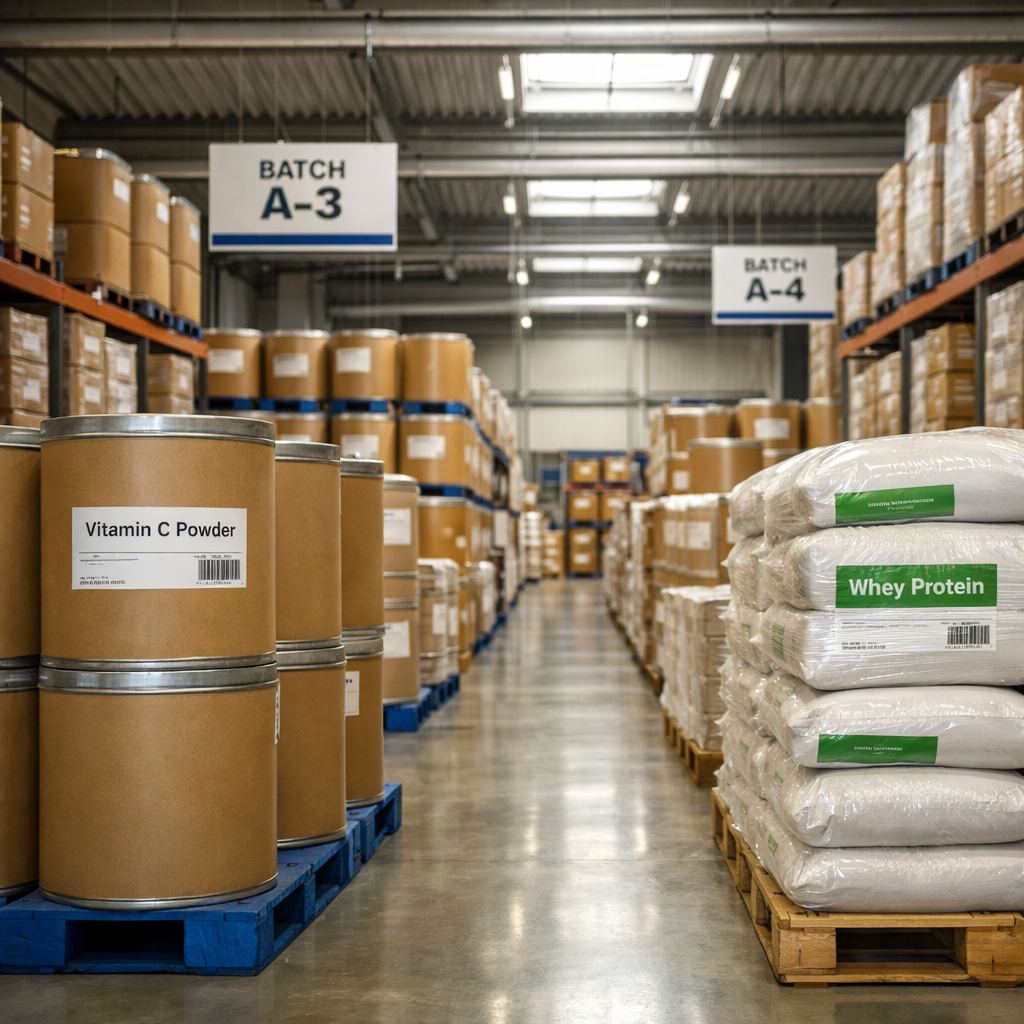
In today’s competitive nutritional products landscape, the foundation of consumer trust isn’t built in marketing campaigns or on glossy packaging—it’s established in the sourcing decisions made long before a product reaches the shelf. For manufacturers developing nutritional baked goods and supplement-enhanced foods, smart sourcing of wholesale baking ingredients has become the cornerstone of product integrity, regulatory compliance, and brand reputation.
The stakes have never been higher. Consumers are reading labels more carefully than ever, asking pointed questions about ingredient origins, and voting with their wallets for brands that demonstrate genuine transparency. Regulatory bodies continue tightening standards, requiring comprehensive documentation and traceability throughout the supply chain. Meanwhile, the global ingredient market presents both opportunities and challenges—from cost fluctuations to quality variations that can impact formulation consistency.
This convergence of consumer expectations and regulatory demands means that sourcing decisions directly influence whether a nutritional product line succeeds or struggles. ✓ Quality ingredients ensure consistent product performance and safety. ✓ Transparency in sourcing practices builds the consumer confidence through traceability systems that translates into brand loyalty. ✓ And smart procurement strategies protect profit margins while maintaining the standards that health-conscious consumers demand.
For forward-thinking manufacturers, ingredient sourcing isn’t just a procurement function—it’s a strategic advantage that differentiates exceptional products from mediocre ones.

Building a Foundation: Strategic Sourcing Principles for Nutritional Excellence
💡 Smart sourcing begins with clarity. Before evaluating suppliers or comparing prices, successful manufacturers establish comprehensive category standards that define exactly what “quality” means for their product lines. These standards encompass purity specifications, acceptable processing methods, required certifications, and non-negotiable testing protocols. When you know precisely what you need, supplier conversations become more focused and quality control becomes measurable rather than subjective.
🌐 A diversified supplier base provides resilience that single-source relationships cannot match. Supply chain disruptions—whether from natural disasters, geopolitical events, or market volatility—can halt production and disappoint customers. By cultivating relationships with multiple qualified suppliers across different geographic regions, manufacturers create flexibility that keeps production running smoothly even when challenges arise. This doesn’t mean compromising on quality standards; rather, it means identifying several partners who all meet your rigorous requirements.
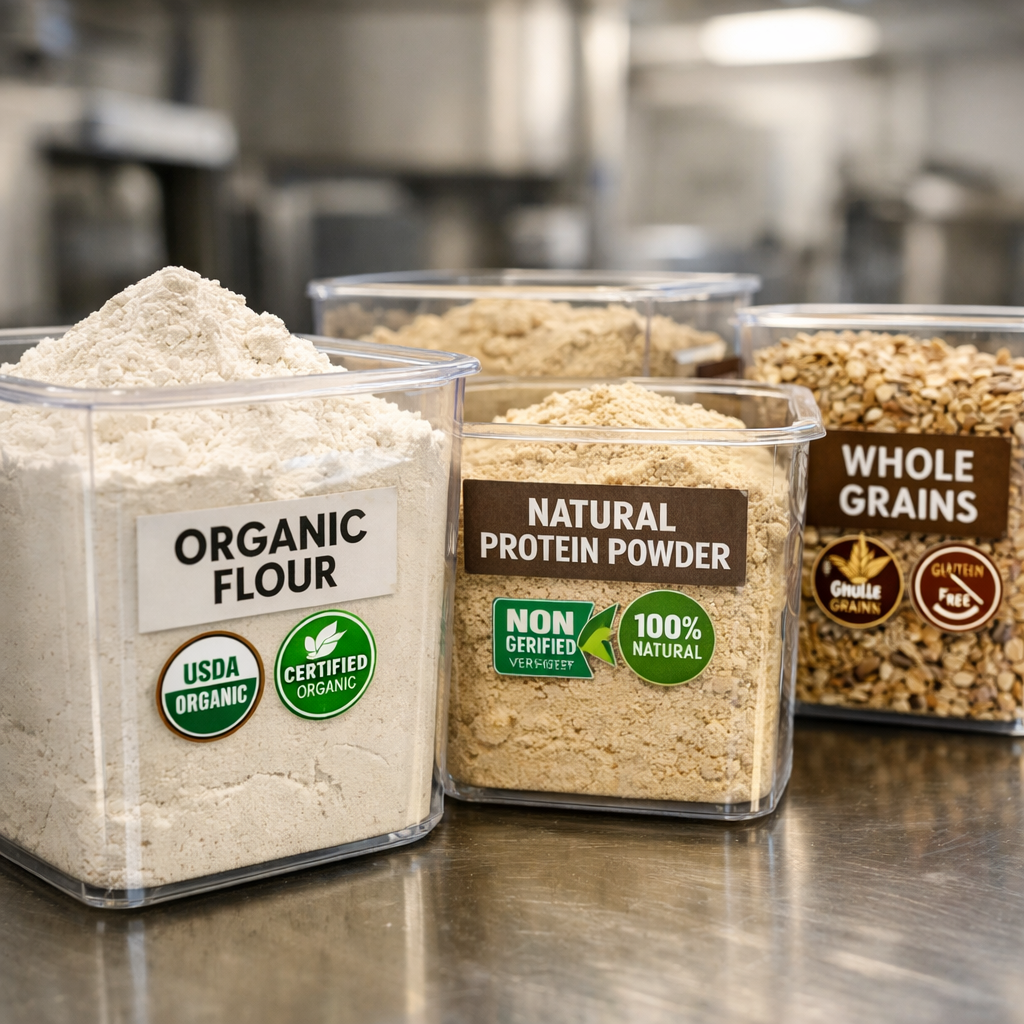
🏆 Certifications and clean labeling have evolved from nice-to-have differentiators to essential requirements. Third-party certifications like organic, non-GMO, kosher, and allergen-free designations provide independent verification that ingredients meet specific standards. These certifications simplify regulatory compliance while addressing consumer preferences that increasingly favor recognizable, minimally processed ingredients. Clean label formulations—those using simple, familiar ingredients without artificial additives—resonate with health-conscious consumers who scrutinize ingredient lists before purchasing.
The principle that ties these strategies together is transparency with traceability. Complete supply chain visibility means understanding not just who your direct supplier is, but where they source raw materials, how those materials are processed, and what testing protocols verify quality at each stage. Documentation should include certificates of analysis, safety data sheets, allergen statements, and GMO status declarations. This comprehensive approach protects your brand reputation while ensuring you can quickly trace any quality concern back to its source.
The Seven-Step Smart Sourcing Framework
Implementing a structured sourcing process transforms ingredient procurement from reactive purchasing to strategic partnership building. The journey begins with Step 1: identifying sourcing opportunities—those moments when new product development, reformulation projects, or supply chain optimization initiatives create needs for different or additional ingredients. Perhaps you’re developing a protein-enhanced baked good line or reformulating an existing product to achieve clean label status. These opportunities require careful ingredient selection aligned with both product specifications and brand values.
Step 2: Category analysis follows opportunity identification. This crucial step involves researching available ingredient options, understanding market dynamics, and evaluating how different choices impact formulation, cost, and positioning. For wholesale baking ingredients in nutritional applications, this means comparing various protein sources, natural preservatives, or functional ingredients that deliver specific health benefits. The analysis should consider not just current needs but also scalability—will these ingredients remain available and cost-effective as production volumes grow?
With clear understanding of options, Step 3: developing sourcing strategies means deciding between approaches like long-term contracts versus spot buying, domestic versus international suppliers, or commodity versus specialty ingredients. Each choice involves tradeoffs between cost, quality consistency, supply security, and flexibility. The optimal strategy balances these factors while aligning with your company’s risk tolerance and growth projections.
Step 4: Market research and supplier identification require looking beyond price lists to understand supplier capabilities, quality systems, and reliability track records. Effective research involves reviewing certifications and quality management systems, and checking references from other customers. For nutritional ingredient sourcing, technical expertise matters—suppliers should understand how their ingredients perform in specific applications and offer formulation support when needed.
Step 5: Strategy development and approval represents the transition from research to action. This stage involves presenting recommended suppliers and sourcing approaches to decision-makers with comprehensive justification. Your business case should address quality assurance, cost implications, supply security, and regulatory compliance. Cross-functional input from quality assurance, R&D, and operations teams ensures the strategy works across all aspects of production.
Step 6: Negotiation and supplier selection brings strategies to life through contracts that protect both parties while establishing clear performance expectations. Beyond price negotiations, discussions should cover quality specifications, testing protocols, delivery schedules, and contingency planning. Successful negotiations create partnerships rather than transactional relationships—suppliers invested in your success become collaborative problem-solvers rather than order-takers.
Step 7: Implementation and performance monitoring completes the cycle but begins an ongoing process of relationship management. As ingredients flow into production, systematic monitoring verifies that suppliers consistently deliver promised quality, reliability, and service. Regular reviews should assess supplier performance against established metrics while maintaining open communication channels for addressing concerns before they impact production.
Local versus global sourcing deserves special consideration in today’s interconnected marketplace. 📍 Local sourcing offers shorter lead times, reduced transportation costs, easier facility audits, and alignment with sustainability values. 🌍 Global sourcing provides access to specialized ingredients, competitive pricing through scale, and diversification that protects against regional disruptions. The optimal approach often combines both—sourcing commodity ingredients globally while partnering with local suppliers for specialized or time-sensitive components.
Clean Label and Certification: Meeting Consumer Expectations
The clean label movement has fundamentally reshaped ingredient sourcing priorities across the baking industry. Consumers increasingly reject artificial colors, synthetic preservatives, and unfamiliar chemical names in favor of recognizable ingredients they might use in home cooking. For nutritional product manufacturers, this shift creates both challenges and opportunities. Reformulating to achieve clean label status requires finding natural alternatives that maintain product quality, shelf life, and sensory appeal—a task that demands both technical expertise and strategic ingredient sourcing.
Third-party certifications provide credible validation that resonates with informed consumers. 🌱 Organic certification verifies ingredients were produced without synthetic pesticides or fertilizers. 🧬 Non-GMO verification assures consumers that genetic engineering wasn’t used. 🛡️ Allergen-free certifications protect sensitive consumers while expanding market reach. Each certification involves rigorous auditing and ongoing compliance verification, but the investment pays dividends through enhanced consumer trust and expanded distribution opportunities into channels that require specific certifications.
Evaluating ingredient quality requires looking beyond basic specifications to understand characteristics that impact formulation performance and nutritional value. Purity levels matter—higher purity ingredients deliver more consistent results while reducing potential contaminants. Processing methods affect ingredient functionality and clean label status—mechanically processed ingredients often fit clean label better than chemically modified alternatives. Sensory characteristics like flavor, aroma, and color influence final product acceptance. Nutritional profiles should align with product positioning—protein content, amino acid profiles, vitamin levels, or mineral bioavailability depending on specific health claims.
Creating effective implementation teams ensures sourcing decisions translate into production success. Cross-functional teams should include quality assurance professionals who verify ingredient compliance, R&D scientists who evaluate formulation impacts, procurement specialists who manage supplier relationships, and operations staff who handle receiving and storage. Regular communication among team members prevents disconnects between purchasing decisions and production realities.
Consistency and reliability separate excellent suppliers from merely adequate ones. Batch-to-batch variations in wholesale baking ingredients can impact product texture, flavor, or shelf life even when ingredients technically meet specifications and quality standards. Reliable suppliers invest in quality systems that minimize variations while maintaining transparent communication about any changes in sourcing or processing. When evaluating potential partners, request certificates of analysis from multiple batches to assess consistency, and inquire about change notification protocols that alert customers before any modifications to ingredients or processes.
Avoiding Common Pitfalls in Ingredient Sourcing
Even experienced manufacturers encounter sourcing challenges that impact quality, cost, or regulatory compliance. ⚠️ Price-only decision making ranks among the most damaging mistakes. While cost management matters, selecting suppliers based solely on lowest price often leads to quality inconsistencies, unreliable delivery, or undisclosed ingredient changes that compromise formulations. Smart sourcing evaluates total cost of ownership—including quality control expenses, reformulation costs from inconsistent ingredients, and brand damage from quality failures.
⚠️ Inadequate supplier vetting creates risks that surface after relationships begin. Skipping facility audits, accepting certifications without verification, or neglecting reference checks can connect you with suppliers whose capabilities don’t match their claims. Due diligence should include reviewing audit reports, verifying certifications with issuing bodies, and speaking with current customers about their experiences. For international suppliers, consider hiring third-party auditors who can conduct on-site evaluations and assess compliance with your standards.
⚠️ Insufficient documentation becomes apparent during regulatory inspections or quality investigations. Complete records should trace each ingredient batch from supplier through production, including certificates of analysis, allergen statements, GMO status declarations, and country of origin documentation. Gaps in documentation create compliance risks while hampering investigations when quality concerns arise. Establishing clear documentation requirements with suppliers and implementing systematic record-keeping prevents these gaps.
⚠️ Neglecting backup suppliers creates vulnerability to supply disruptions. Over-dependence on single sources means production stops when suppliers encounter problems—whether from capacity constraints, quality issues, or operational disruptions. Qualifying secondary suppliers requires investment in audits, testing, and relationship building, but this preparation pays dividends when primary suppliers cannot deliver. Periodic orders to backup suppliers maintain relationships while verifying their continued capability.
Here’s a practical checklist for avoiding sourcing pitfalls:
✓ Quality Verification
- Request and review certificates of analysis from multiple production batches
- Conduct facility audits or review third-party audit reports
- Verify all certifications directly with issuing organizations
- Establish clear quality specifications with measurable acceptance criteria
- Implement incoming inspection protocols that verify ingredient compliance
🤝 Supplier Management
- Qualify multiple suppliers for critical ingredients
- Document all supplier communications and agreements
- Establish change notification requirements in contracts
- Schedule regular performance reviews with key suppliers
- Maintain current contact information for supplier quality and technical personnel
📋 Documentation and Traceability
- Create standardized documentation packages for each ingredient
- Implement lot tracking systems that connect ingredients to finished products
- Archive all certificates, specifications, and test results systematically
- Establish retention periods that exceed regulatory requirements
- Train staff on documentation requirements and record-keeping procedures
🎯 Strategic Planning
- Evaluate total cost of ownership beyond purchase price
- Assess supply chain risks including geographic concentration
- Consider ingredient availability projections based on market trends
- Align sourcing decisions with long-term product development roadmaps
- Build flexibility into contracts for volume adjustments
The Path Forward: Sustainable Sourcing for Lasting Success
Smart sourcing of wholesale baking ingredients represents more than operational efficiency—it embodies a commitment to the consumers who trust your products to deliver nutritional benefits safely and reliably. When manufacturers prioritize quality and transparency in ingredient selection, they create products that stand behind their promises while meeting the rigorous standards that today’s informed consumers demand.
This approach aligns perfectly with the broader evolution occurring across the nutritional products industry. Consumers increasingly recognize that ingredient quality directly impacts product effectiveness and safety. They’re willing to pay premiums for brands that demonstrate genuine commitment to sourcing excellence through certifications, traceability, and transparent communication. Regulatory bodies continue raising standards, rewarding manufacturers whose sourcing practices exceed minimum requirements.
For forward-thinking manufacturers, thoughtful sourcing practices create multiple advantages. 🛡️ Product safety improves through rigorous supplier qualification and incoming inspection protocols. 🤝 Consumer trust strengthens when brands can confidently communicate ingredient origins and quality standards. ⚙️ Production becomes more predictable and efficient when ingredient consistency reduces troubleshooting and reformulation needs. 💰 Cost management improves through strategic supplier partnerships that balance quality with competitive pricing.
Scalability and cost-effectiveness follow naturally from foundational sourcing excellence. As production volumes grow, relationships with qualified suppliers who understand your quality expectations facilitate expansion without compromising standards. Diversified supplier networks provide negotiating leverage while ensuring supply security. Documentation systems established during small-scale production scale seamlessly to support larger operations and broader distribution.
The journey toward sourcing excellence doesn’t require perfection from day one—it requires commitment to continuous improvement guided by clear principles. Start by establishing comprehensive ingredient standards that define your quality requirements. Invest time in thoroughly vetting potential suppliers beyond price comparisons. Build documentation systems that create transparency throughout your supply chain. Cultivate supplier relationships based on partnership rather than transactions. And remain curious about emerging ingredients and sourcing innovations that could enhance your products.
In an industry where trust is currency and quality is non-negotiable, smart sourcing of wholesale baking ingredients isn’t optional—it’s the foundation upon which exceptional nutritional products are built. By embracing quality, demanding transparency, and empowering formulations through strategic ingredient selection, manufacturers create products that deliver on their promises while building brands that consumers recommend to friends and family.
The choice is clear: invest in sourcing excellence today, or struggle with quality concerns, consumer skepticism, and competitive disadvantages tomorrow. For manufacturers ready to lead rather than follow, smart sourcing represents the strategic advantage that transforms good products into exceptional ones.