Your supplement’s reputation isn’t just built in your facility—it’s forged across your entire supply chain. Every raw material that enters your production line carries a story: the manufacturing practices of your supplier, their quality controls, their commitment to regulatory compliance. When you skip proper vendor qualification, you’re essentially gambling with your brand’s integrity and your customers’ safety.
Vendor qualification isn’t a bureaucratic checkbox. It’s a strategic process that ensures your suppliers can consistently deliver materials meeting quality, regulatory, and safety standards. Think of it as building a quality shield around your supply chain—one that prevents contamination, adulteration, and non-compliance from sneaking into your products through external sources. This systematic approach to supplier qualification creates the foundation for reliable ingredient sourcing. The FDA doesn’t just recommend this process; they expect it as a fundamental element of your quality system. And for good reason: some of the most devastating product recalls in recent years traced back not to manufacturing errors, but to unqualified suppliers who introduced problems into otherwise solid operations.
The stakes are straightforward. An unqualified vendor can introduce variability in your raw materials, leading to batch failures, product recalls, regulatory warning letters, and irreparable damage to customer trust. On the flip side, a robust vendor qualification program creates predictability, reduces risk, and demonstrates to regulators that you take quality seriously from the very first ingredient.

What FDA Expects: The Regulatory Framework Behind Vendor Qualification
The FDA’s Current Good Manufacturing Practice (CGMP) regulations establish clear expectations for how you manage your suppliers. Within 21 CFR Part 111 for dietary supplements and similar frameworks for pharmaceuticals and medical devices, the agency emphasizes purchasing controls as a critical quality system element. These regulations require you to establish specifications for incoming materials and verify that your suppliers can meet them consistently.
The regulatory logic is simple: you’re responsible for everything in your finished product, even if you didn’t manufacture the raw materials yourself. This accountability principle is detailed in the FDA’s Current Good Manufacturing Practice (CGMP) regulations. The FDA holds you accountable for the quality of materials you purchase. This means you can’t simply trust supplier claims or rely on certificates of analysis without verification. You need documented evidence that your suppliers operate under appropriate quality systems, maintain proper controls, and comply with applicable standards.
This aligns perfectly with GMP and Good Laboratory Practice (GLP) frameworks, which emphasize prevention over detection. Rather than catching problems after materials arrive, vendor qualification prevents problems by ensuring suppliers have the systems in place to deliver quality consistently. The FDA guidance on Process Validation and ICH Q9 Quality Risk Management reinforce this approach, advocating for risk-based prioritization in supplier evaluation.
Risk-based prioritization means you don’t treat all suppliers equally. A supplier providing a core active ingredient that directly impacts product efficacy requires more scrutiny than a supplier providing secondary packaging materials. High-risk materials—those that contact your product, affect its identity or strength, or come from suppliers with limited track records—demand comprehensive qualification programs including on-site audits. Lower-risk materials might require less intensive evaluation, though all suppliers need some level of qualification.
The FDA’s inspection approach reflects this risk-based thinking. When investigators review your supplier management during inspections, they look for evidence that you’ve identified critical suppliers, evaluated their quality systems proportionate to risk, established formal quality agreements, and monitor performance over time. They want to see that you’ve thought strategically about supply chain vulnerabilities and taken appropriate steps to address them.
Key Concepts That Make Vendor Qualification Work
Before diving into the mechanics of qualification programs, let’s clarify the core concepts that underpin effective supplier management. These aren’t just regulatory requirements—they’re practical tools for building resilient supply chains.
Quality Systems Evaluation forms the foundation of vendor qualification. This means assessing whether your supplier has documented procedures, trained personnel, appropriate equipment, and effective quality control systems. You’re not just buying a material; you’re entering a relationship with a manufacturing operation. Understanding their capabilities, limitations, and quality culture helps you predict whether they can deliver consistently.
Quality Agreements formalize expectations between you and your supplier. These written contracts specify exactly what you require: material specifications, testing protocols, documentation requirements, change notification procedures, and corrective action processes. Quality agreements transform vague expectations into enforceable commitments. They also provide clarity when problems arise, establishing who’s responsible for investigation, corrective actions, and communication.
Documentation creates the evidence trail that both you and regulators need. Every step of vendor qualification should be documented: your evaluation criteria, audit findings, test results, approval decisions, and ongoing monitoring data. Documentation proves you didn’t just qualify suppliers casually but followed a systematic, science-based approach. It also creates institutional memory, so your organization remembers why a supplier was qualified and what to watch for in ongoing oversight.
Ongoing Oversight acknowledges that qualification isn’t a one-time event. Suppliers change over time: they modify processes, relocate facilities, change ownership, or face quality issues. Effective vendor management includes continuous monitoring of supplier performance through certificate of analysis review, periodic re-qualification, performance metrics tracking, and responsive investigation of any quality deviations.
Subcontractor Management extends your qualification requirements beyond direct suppliers. If your ingredient supplier outsources manufacturing or testing to subcontractors, you need visibility into those relationships. The same quality standards apply throughout the supply chain. Your quality agreements should require suppliers to notify you of subcontracting arrangements and ensure subcontractors meet equivalent quality standards.
Data Integrity ensures the information you receive from suppliers is accurate, complete, and reliable. This has become a major FDA focus area in recent years. Your vendor qualification process should verify that suppliers maintain proper data controls, prevent manipulation of test results, and follow documented procedures for generating and reporting data. The FDA emphasizes knowing your suppliers to ensure component quality and testing integrity. This might include reviewing their laboratory controls, electronic record systems, and audit trails during qualification audits.
Building Your Supplier Qualification Program: Core Components
A comprehensive supplier qualification program contains several integrated components, each serving a specific purpose in risk mitigation and quality assurance. Let’s walk through what you need to build.
Defining Requirements comes first. Before evaluating any supplier, clarify what you need. This starts with detailed material specifications covering identity, purity, potency, and absence of contaminants. But requirements extend beyond the material itself to encompass supplier capabilities: regulatory compliance status, quality system standards, testing capabilities, supply chain security, and communication responsiveness. Document these requirements in procurement specifications that provide clear acceptance criteria for both materials and suppliers. Learn more about strategic approaches through effective ingredient sourcing strategies.
Evaluating Quality Systems assesses whether suppliers have the infrastructure to meet your requirements consistently. This evaluation typically progresses through stages. Initial screening reviews basic information: regulatory registration status, certifications, and general capability questionnaires. For critical suppliers, deeper evaluation includes comprehensive quality system audits examining manufacturing controls, equipment qualification, validation protocols, change control systems, deviation management, complaint handling, and continuous improvement processes.
Verification Through Audits or Documentation provides objective evidence of supplier capabilities. On-site audits offer the most comprehensive assessment, allowing you to observe operations firsthand, interview personnel, and review records in their original context. However, audits are resource-intensive, so risk-based prioritization helps determine which suppliers warrant on-site visits. For lower-risk suppliers, desktop reviews of documentation—including quality manuals, validation reports, certificates of analysis, and third-party audit certificates—may suffice. Structured supplier qualification frameworks help standardize these evaluation processes across risk levels.
Quality Agreements translate evaluation findings into binding commitments. After qualifying a supplier, formalize the relationship with a written quality agreement specifying material specifications, testing requirements, documentation deliverables, batch release procedures, change notification protocols, complaint handling processes, and corrective action expectations. Quality agreements should also address intellectual property protection, confidentiality, and dispute resolution. Both parties sign these agreements, creating mutual accountability.
Onboarding Procedures integrate new suppliers into your operations smoothly. This includes initial material qualification through identity and quality testing, small-scale trials to verify material performance in your formulations, validation of analytical methods for incoming material testing, training your receiving and quality teams on supplier-specific requirements, and establishing communication channels for routine coordination and issue escalation.
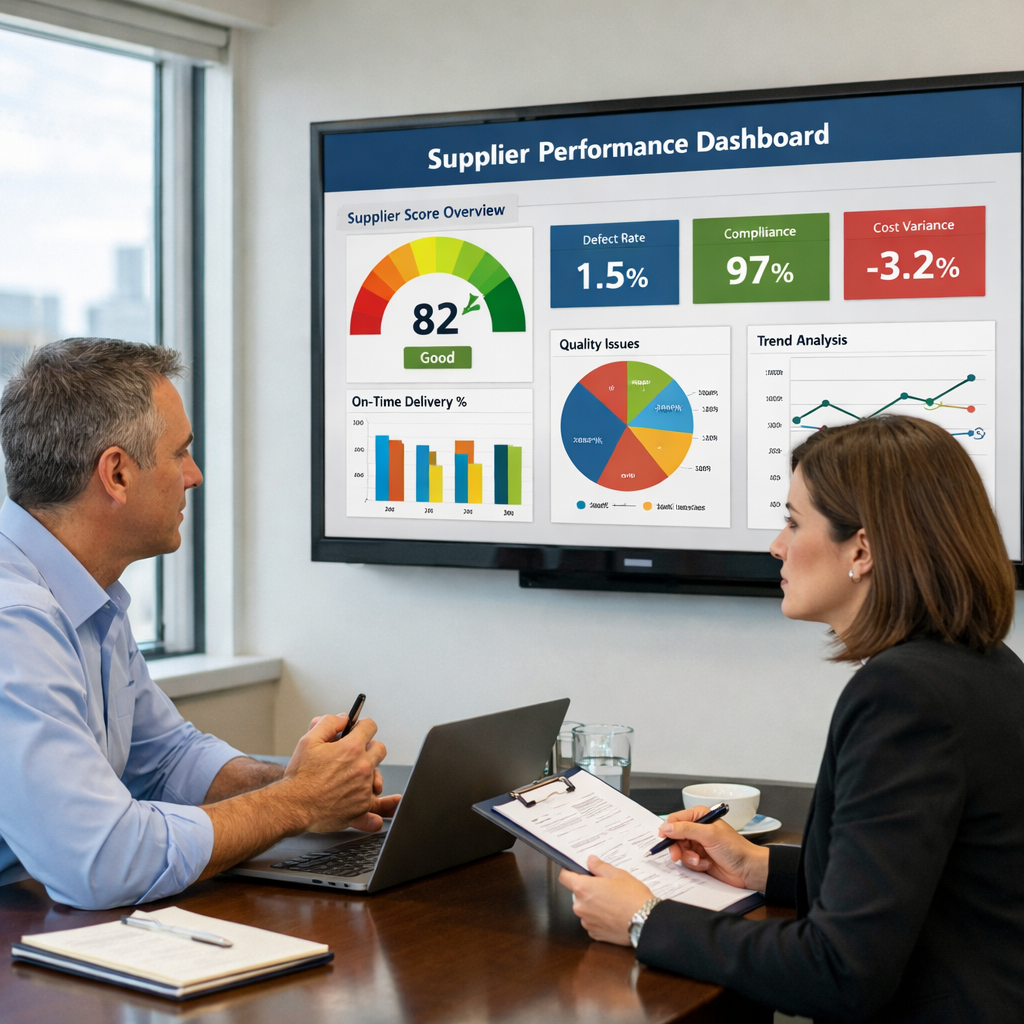
Performance Monitoring sustains supplier quality over time. Implement systems to track key performance indicators: on-time delivery rates, material quality metrics based on incoming inspection results, certificate of analysis accuracy, responsiveness to inquiries, and corrective action effectiveness. Regular performance reviews—typically quarterly or annually—provide opportunities to discuss trends, address concerns, and recognize excellent performance. This ongoing dialogue strengthens relationships and identifies problems before they escalate into crises.
Practical Steps for Implementing Supplier Qualification Today
Theory means nothing without execution. Here’s how to translate vendor qualification principles into action within your organization, regardless of your current maturity level.
Start by listing all materials you purchase, categorizing them by risk level. High-risk materials include active ingredients, excipients that contact your product, materials from single-source suppliers, and materials with complex manufacturing processes. Medium-risk materials might include certain packaging components or widely available ingredients. Low-risk materials include non-contact packaging, cleaning supplies, and commodities from established suppliers. This risk ranking guides where to focus your qualification efforts first.
Create supplier evaluation questionnaires tailored to different risk levels. High-risk supplier questionnaires should cover extensive detail: complete manufacturing process descriptions, equipment qualification status, analytical method validation, quality control procedures, regulatory inspection history, recall experience, and references from other customers. Lower-risk questionnaires can be more streamlined while still covering fundamental quality system elements. Standardized questionnaires ensure consistent evaluation across suppliers and create comparable data for decision-making. Explore our comprehensive supplier evaluation questionnaire framework for critical qualification questions.
Conduct audits strategically based on risk and supplier track record. For new suppliers of critical materials, on-site audits before final qualification help verify information and assess quality culture directly. For established suppliers with strong performance histories, periodic re-qualification audits every two to three years may suffice. During audits, use standardized checklists aligned with GMP requirements, but also remain observant of informal indicators: facility housekeeping, employee morale, management engagement, and documentation organization. These subtle factors often predict future performance better than formal procedures.
Draft quality agreement templates that can be customized for individual suppliers. Templates ensure you don’t overlook important provisions while allowing flexibility for supplier-specific requirements. Include clear specifications, testing protocols, sampling plans, certificate of analysis requirements, change control notification timelines (typically 30-90 days for significant changes), complaint investigation procedures, right-to-audit provisions, and termination conditions. Additionally, reference ingredient traceability requirements to ensure complete supply chain visibility. Have your legal team review templates to ensure they’re enforceable and protect your interests.
Emphasize cross-functional team involvement in supplier evaluations. Quality personnel bring regulatory expertise and audit capabilities. Procurement provides commercial perspective and negotiation skills. R&D contributes technical knowledge about material performance requirements. Operations offers insights into handling, storage, and process integration. This collaborative approach ensures comprehensive evaluation while building organizational buy-in for supplier decisions.
Document everything systematically in a centralized supplier management system. Maintain supplier qualification files containing evaluation questionnaires, audit reports, test results, quality agreements, performance metrics, and approval decisions. This documentation demonstrates due diligence to regulators while creating institutional knowledge that survives personnel changes. Many companies use quality management software to organize supplier files, track re-qualification schedules, and monitor performance metrics automatically.
Common Pitfalls to Avoid in Vendor Qualification
Even well-intentioned qualification programs can fail if you stumble into these common traps. Awareness helps you navigate around them.
Rushing the process without proper validation creates a dangerous illusion of control. When production pressures mount or new product launches loom, the temptation to shortcut supplier qualification grows. But approving suppliers before completing thorough evaluation simply shifts risk rather than eliminating it. That rush-approved supplier might deliver problem materials six months later, causing recalls that dwarf the cost of proper qualification. Maintain your standards even when timelines are tight. If that means delaying product launches until qualified suppliers are in place, that’s the responsible choice.
Relying solely on self-reported information without independent verification allows suppliers to present their best face without accountability. Questionnaires and certificates are starting points, not endpoints. Verify critical claims through testing, reference checks, or audits. A supplier claiming full GMP compliance might have substantial gaps you’d only discover through on-site observation. Independent verification builds confidence and often reveals risks suppliers didn’t recognize themselves.
Neglecting requalification as relationships mature creates blind spots to changes. Suppliers don’t remain static: they upgrade equipment, modify processes, change ownership, or face financial pressures that impact quality investments. Regular requalification—typically every two to three years for critical suppliers—ensures you understand current capabilities rather than historical performance. More frequent requalification may be warranted after significant changes, quality issues, or regulatory inspections revealing deficiencies.
Missing formal quality agreements or leaving them unsigned creates ambiguity when problems arise. Without documented agreements specifying responsibilities, disputes about who should investigate problems, cover costs, or implement corrective actions become arguments rather than straightforward contract interpretations. Draft quality agreements during qualification and ensure both parties sign before material shipments begin. Review and update agreements periodically to reflect evolving requirements.
Inconsistent documentation practices undermine your entire program. If some suppliers receive comprehensive audits while others get minimal review without clear risk-based rationale, regulators will question your system. If approval decisions lack documented justification, investigators can’t verify you followed your procedures. If performance monitoring happens sporadically rather than systematically, you’re not truly overseeing suppliers. Consistency in execution and documentation demonstrates a mature, reliable program rather than ad hoc activities.
Treating qualification as purely transactional rather than relationship-building misses opportunities for partnership. The best supplier relationships involve mutual transparency, collaborative problem-solving, and continuous improvement. Suppliers who understand your quality priorities and feel valued as partners often alert you to potential issues before they materialize, invest in improvements that benefit your products, and prioritize your needs during supply constraints. This partnership approach aligns with global sourcing strategies that emphasize collaborative risk management. Approach qualification as the foundation for long-term relationships, not just vendor vetting.
Quick Takeaways: Building Your Quality Shield
Vendor qualification isn’t optional—it’s the quality shield your supply chain can’t afford to skip. Here’s what to remember as you strengthen your supplier management:
Supplier qualification is continuous, not one-time. Initial qualification establishes baseline capability, but ongoing monitoring and periodic requalification ensure sustained quality as circumstances evolve. Treat supplier management as an ongoing program requiring sustained attention rather than a project with an end date.
Risk-based approaches maximize resources. You can’t audit every supplier monthly, so focus intensive qualification on critical suppliers providing high-risk materials while streamlining oversight of lower-risk vendors. This pragmatic approach satisfies regulatory expectations while remaining operationally feasible.
Documentation protects you during FDA inspections and when quality issues arise. Comprehensive records of your evaluation criteria, approval decisions, audit findings, and performance monitoring demonstrate you’ve exercised appropriate supplier oversight. Good documentation converts supplier qualification from a subjective activity into an objective, defensible program.
Quality agreements formalize accountability. Written agreements eliminate ambiguity about specifications, testing requirements, change notification, and corrective actions. They transform informal expectations into binding commitments that both parties can reference when questions arise.
Partnership beats policing. While qualification includes oversight and verification, the most effective supplier relationships involve collaboration toward shared quality goals. Suppliers who understand your requirements and feel valued as partners consistently outperform those treated as adversaries needing constant surveillance.
This approach aligns seamlessly with NutraAeon’s commitment to quality, transparency, and empowerment. We don’t just supply ingredients—we qualify our own supply chain rigorously to ensure every material we provide meets the exacting standards forward-thinking manufacturers require. Our industry-leading testing protocols, complete documentation packages, and full supply chain visibility from source to delivery reflect our understanding that your quality shield starts with our quality commitment. When you partner with NutraAeon, you’re not just purchasing ingredients; you’re accessing a pre-qualified supply chain backed by scientific expertise and regulatory guidance that empowers your formulations to succeed in competitive markets. Connect with our team to discuss how our vendor qualification processes can strengthen your supply chain quality.
Your supply chain’s quality shield starts with strategic vendor qualification. Build it right, maintain it consistently, and watch it protect your brand’s reputation while satisfying regulatory expectations. The investment you make in proper supplier qualification today prevents the costly recalls and regulatory actions that plague companies who skip this critical step. Your customers trust you to deliver safe, effective products—and that trust depends on every supplier in your chain meeting the same uncompromising standards you maintain in your own operations.